
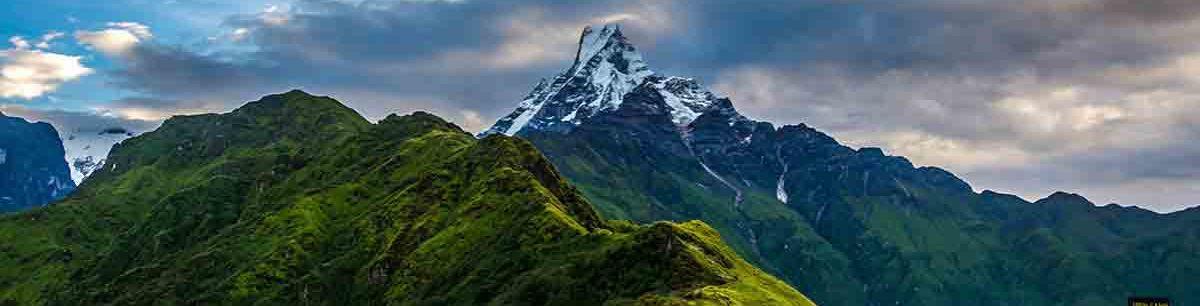

The Manaslu Circuit Trek 2027 /28 offers far more than spectacular Himalayan scenery. It is a journey through one of Nepal’s most culturally fascinating mountain regions, where Tibetan Buddhist traditions, ancient monasteries, prayer wheels, mani walls, chortens, traditional villages, and centuries-old customs remain an important part of everyday life. As the trail climbs through the Budhi Gandaki Valley toward Samagaon, Samdo, and Larkya La, trekkers gradually enter a landscape where religion and mountain life are deeply connected.
The Manaslu region shares strong cultural and historical connections with Tibet, and Buddhism remains a major influence on the communities of the upper valley. The Nepal Tourism Board specifically highlights Buddhist monasteries, architecture, traditions, and Tibetan cultural influence as important characteristics of the region.
For travelers planning the Manaslu Circuit Trek 2027 /28, understanding this cultural heritage can make the trek considerably more meaningful. Instead of simply photographing monasteries along the trail, trekkers can learn why these sacred places matter, how local communities practice Buddhism, and how responsible tourism can help preserve this remarkable Himalayan heritage.
Why Buddhist Culture Is Important on the Manaslu Circuit Trek
The cultural character of the Manaslu Circuit changes as the trail moves higher into the mountains. Lower sections of the route feature diverse Himalayan communities and landscapes, while the upper Budhi Gandaki Valley displays increasingly strong Tibetan Buddhist influences.
The villages around Lho, Samagaon, Samdo, and neighboring settlements are particularly important for experiencing this culture. Prayer flags can be seen around homes and religious structures, while mani walls and chortens are integrated into village landscapes. Samagaon, located at approximately 3,500 meters, is predominantly inhabited by the Nubri people, whose language, ancestry, and traditions have strong links with Tibetan culture.
For trekkers, this means that culture is not something encountered only during a scheduled monastery visit. It appears throughout the journey—in architecture, food, clothing, religious symbols, festivals, traditional agricultural practices, and community life.
Sacred Monasteries Along the Manaslu Circuit
One of the biggest cultural attractions of the Manaslu Circuit Trek 2027 /28 is the opportunity to visit or observe several important gompas and monasteries.
Lho Monastery and Ribung Gompa
Lho is one of the most visually impressive cultural villages on the Manaslu Circuit. Located at roughly 3,180 meters, the settlement provides dramatic views of Manaslu and surrounding Himalayan peaks.
The monastery traditionally associated with Lho is commonly known as Ribung Gompa or Lho Monastery. It serves as an important religious center for the local community and reflects the Tibetan Buddhist character of the upper Manaslu region.
A visit to Lho is valuable because the monastery is not simply an architectural attraction. It forms part of a living community. Trekkers may see prayer activities, religious decorations, traditional houses, and villagers going about their daily lives.
The best approach is to observe quietly and respectfully rather than treating the monastery like a museum.
Pungyen Gompa
Pungyen Gompa is one of the most memorable cultural side trips on the Manaslu Circuit.
Located in the high valley near Samagaon, Pungyen Gompa provides a combination of spiritual atmosphere and extraordinary Himalayan scenery. The monastery is associated with Tibetan Buddhist traditions and is positioned amid dramatic mountain and glacier landscapes.
Many trekkers include the Pungyen Gompa hike during their acclimatization period in Samagaon. The journey allows visitors to slow down and appreciate the environment rather than rushing toward the next destination.
Pungyen is particularly rewarding for travelers interested in photography, Himalayan spirituality, mountain landscapes, and cultural exploration.
However, remember that the purpose of an acclimatization day is also to allow your body to adapt to altitude. Your guide should determine whether the side trip is appropriate for your fitness, weather conditions, and acclimatization status.
Sama Gompa in Samagaon
Samagaon is one of the most important cultural settlements on the Manaslu Circuit. Situated beneath the massive Manaslu massif, it is both a trekking hub and an important center of local Himalayan culture.
Sama Gompa, also referred to in trekking literature as Samagaon Monastery, represents the area’s Tibetan Buddhist heritage. Mani walls, chortens, prayer flags, traditional houses, and monastery structures contribute to the village’s distinctive character.
A rest day in Samagaon should therefore not be viewed simply as a day without trekking. It can become one of the most culturally rewarding parts of the journey.
Trekkers can explore the village, visit appropriate religious sites with a guide, observe local architecture, and learn about Nubri traditions.
Serang Gompa and Other Cultural Sites
The Manaslu region contains additional monasteries and smaller religious sites, some of which require side trips away from the primary circuit. Serang Gompa, for example, is identified as a cultural attraction within the broader Manaslu region.
Depending on your itinerary, available time, weather, and local guidance, your trekking agency may recommend additional cultural excursions.
This is one reason a flexible itinerary can be beneficial. A trek focused only on completing the circuit as quickly as possible can miss some of the region’s most interesting cultural experiences.
Understanding Buddhist Symbols on the Trail
You do not need to be a Buddhist to appreciate the religious symbols found throughout the Manaslu region. However, understanding their basic meaning can help you behave respectfully.
Prayer Flags
Colorful prayer flags are among the most recognizable symbols of Himalayan Buddhism.
They are commonly placed around monasteries, bridges, mountain passes, homes, and other significant locations. Their presence contributes to the visual character of the Manaslu landscape.
Trekkers should never remove prayer flags or treat them as ordinary decorations.
Mani Walls
Mani walls consist of stones carved or inscribed with Buddhist prayers, mantras, or religious imagery. They are common along trails and near settlements.
When walking beside a mani wall, follow local customs. In many Himalayan Buddhist traditions, religious objects are traditionally passed on the left so that they remain to your right. When uncertain, ask your guide rather than guessing.
Chortens
Chortens are Buddhist religious monuments that can be found throughout the Himalayan region. They often mark villages, trail junctions, religious sites, or important landscape features.
They are sacred structures rather than photo props. Avoid climbing on them, sitting on them, or touching religious decorations unnecessarily.
Prayer Wheels
Prayer wheels are another common feature along the Manaslu Circuit.
Many are installed beside trails, monasteries, and village paths. If you want to turn a prayer wheel, follow the local tradition and turn it in the appropriate direction rather than spinning it randomly.
These small acts of respect make a significant difference when visiting culturally sensitive areas.
Tibetan Influence on Manaslu’s Architecture
Architecture provides another fascinating way to understand the culture of the Manaslu Circuit Trek 2027 /28.
As you travel higher, traditional stone houses, wooden structures, flat or gently sloping roofs, narrow lanes, and religious decorations become increasingly visible. Villages such as Lho, Samagaon, and Samdo demonstrate how communities have adapted architecture to the harsh Himalayan environment.
The built environment is practical as well as cultural. Thick walls, locally sourced materials, enclosed courtyards, and compact village layouts reflect generations of adaptation to altitude and climate.
For photographers, these villages offer some of the most authentic cultural images on the trek. Nevertheless, always ask permission before photographing people, religious ceremonies, or private homes.
Festivals and Buddhist Traditions
Religious festivals are an important part of life in Himalayan communities. Depending on your trekking dates, you may encounter local celebrations, religious gatherings, prayers, or cultural performances.
However, festival dates often follow lunar calendars and can vary from year to year. Therefore, travelers planning the Manaslu Circuit Trek 2027 /28 should check local dates with their trekking agency rather than assuming that a particular festival will occur on the same calendar date each year.
If you happen to encounter a religious ceremony, remember that you are a guest. Observe quietly and follow your guide’s instructions regarding photography, movement, and participation.
The goal should be cultural exchange—not turning a sacred ceremony into a tourist performance.
Food and Daily Life in the Nubri Valley
Buddhist culture is also reflected indirectly through local food and lifestyle.
Traditional Himalayan communities have historically depended on agriculture, livestock, trade, and seasonal activities. In higher villages, yak and livestock husbandry has been particularly important.
Trekkers can experience local dishes alongside familiar trekking staples such as dal bhat, noodles, soups, potatoes, Tibetan-style bread, and tea.
Butter tea and other Tibetan-influenced foods may also be encountered in the upper villages.
Trying local food is one of the easiest ways to engage with the culture. Whenever possible, eat locally, purchase products from community businesses, and support family-run teahouses.
The Cultural Experience from Samagaon to Samdo
The section from Samagaon toward Samdo offers some of the strongest Tibetan cultural influences of the entire circuit.
Samdo lies close to the Tibetan border region, and the area’s history is connected with traditional trans-Himalayan movement and trade. The settlement’s architecture, clothing, language, livestock practices, and religious traditions provide a distinctly high-Himalayan cultural atmosphere.
This section of the trek also illustrates how geography has shaped culture. The mountains were never simply barriers; they were part of a network connecting Himalayan communities across high passes.
Walking this section with a knowledgeable local guide can transform the experience from a scenic hike into a lesson in Himalayan history.
Why a Guide Matters for Cultural Trekking
A licensed guide is particularly valuable if cultural exploration is one of your priorities.
A guide can explain:
- The meaning of Buddhist symbols
- Local customs and etiquette
- Appropriate monastery behavior
- Village history
- Local festivals
- Traditional architecture
- Food and agricultural practices
- Religious ceremonies
- Photography etiquette
- Stories and legends associated with the landscape
Nepal Tourism Board currently lists the Manaslu Circuit Trek among routes where trekkers must be accompanied by a licensed trekking guide and carry a trekking-agency-issued TIMS card.
For restricted areas, trekking permits are also required through the Department of Immigration. The current official information identifies the Gorkha Manaslu area within Chumnubri Rural Municipality as a restricted area.
Because regulations can change before 2027 or 2028, trekkers should confirm requirements with a registered Nepal trekking agency and official authorities before departure.
Best Time for the Manaslu Circuit Trek 2027 /28
For both trekking and cultural experiences, weather plays a major role.
The Nepal Tourism Board identifies March to May and September to November as the best seasons for the Manaslu Conservation Area.
Spring: March to May
Spring offers improving weather, blooming rhododendrons at lower elevations, and generally favorable trekking conditions.
The combination of mountain scenery and changing vegetation makes spring particularly attractive for photographers.
Autumn: September to November
Autumn is traditionally one of the strongest trekking seasons in Nepal.
The monsoon has generally ended, visibility can be excellent, and mountain views are often spectacular. September may still experience some transitional weather, while October and November are typically popular choices.
Winter: December to February
Winter brings cold temperatures, snow, and potentially challenging conditions at higher elevations. Some services may operate on reduced schedules, and high-pass conditions can become more difficult.
Monsoon: June to August
The monsoon can bring rain, clouds, muddy trails, landslides, and transportation complications in lower sections.
If cultural exploration is your main priority, choosing a season with more stable conditions can make village and monastery visits easier.
Responsible Cultural Tourism on the Manaslu Circuit
The increasing popularity of the Manaslu Circuit Trek 2027 /28 creates opportunities for local communities, but tourism also creates responsibilities.
Follow these principles:
Ask Before Taking Photographs
Always ask before photographing people, especially monks, elderly residents, children, or religious ceremonies.
Dress Respectfully
Although trekking clothing is practical, modest clothing is appropriate when visiting monasteries and villages.
Remove Shoes When Requested
Some monasteries require visitors to remove their shoes before entering specific rooms. Follow instructions from your guide or monastery representatives.
Never Touch Religious Objects Without Permission
Do not handle statues, manuscripts, ritual objects, murals, or other religious items unless explicitly invited to do so.
Do Not Climb on Chortens or Mani Walls
Sacred structures should never be treated as climbing or sitting platforms.
Keep Noise Low
Monasteries are places of worship and meditation. Avoid loud conversations, music, and unnecessary disturbance.
Buy Locally
Choose locally owned teahouses, guides, porters, shops, and handicrafts whenever possible. Tourism spending can directly contribute to mountain communities.
Minimize Waste
Carry reusable bottles, avoid unnecessary plastic, and pack out waste when appropriate. The Manaslu Conservation Area contains sensitive mountain ecosystems and valuable biodiversity. Nepal Tourism Board notes that the area supports numerous mammal, bird, reptile, and plant species.
Manaslu Circuit Trek 2027 /28: Suggested Cultural Itinerary
A culturally focused itinerary can be slightly slower than a basic trekking itinerary.
A typical approach may include:
Day 1: Kathmandu to Machha Khola
Day 2: Machha Khola to Jagat
Day 3: Jagat to Deng
Day 4: Deng to Namrung
Day 5: Namrung to Lho
Day 6: Lho to Samagaon
Day 7: Cultural and acclimatization day in Samagaon
Day 8: Samagaon to Samdo
Day 9: Samdo to Dharamsala
Day 10: Cross Larkya La Pass and descend toward Bhimtang
Day 11: Bhimtang to Tilije
Day 12: Continue toward Dharapani and onward by road
Exact itineraries vary according to road conditions, acclimatization requirements, weather, permits, and individual trekking pace.
For a culture-focused journey, consider allowing extra time in Lho and Samagaon rather than treating them as simple overnight stops.
Permits and Entry Requirements for 2027 /28
Permit rules are especially important for the Manaslu region.
The current Nepal Tourism Board information states that the Manaslu area requires a special trekking permit, and its current published fee structure lists different rates for September–November and December–August.
The Department of Immigration also currently publishes separate Manaslu permit information and identifies the area as seasonal.
Because this article is intended for the Manaslu Circuit Trek 2027 / 2028, travelers should not assume today’s fees will remain unchanged. Permit prices, TIMS requirements, entry fees, guide rules, and administrative procedures should all be checked again before booking.
The Nepal Tourism Board currently lists the Manaslu Conservation Area entry fee for foreign visitors at NPR 3,000 per person per entry in its current fee table.
Your trekking agency should arrange the required permits and explain exactly what is included in your package.
What Makes the Manaslu Circuit Culturally Special?
The greatest strength of the Manaslu Circuit Trek 2027 / 28 is the way culture and landscape exist together.
You do not have to choose between mountain scenery and cultural experiences. They are intertwined.
A prayer flag may be blowing beneath an eight-thousand-meter peak. A centuries-old monastery may sit above a modern trekking village. A stone mani wall may guide you along a trail toward a glacier. Traditional houses may stand beneath some of the highest mountains on Earth.
This combination creates a trekking experience that is much deeper than simply reaching Larkya La.
Final Thoughts
The Manaslu Circuit Trek 2027 / 28 is an outstanding choice for travelers who want adventure combined with authentic Himalayan culture. From Lho and its monastery traditions to the spiritual atmosphere of Pungyen Gompa and Samagaon, the journey reveals a living Buddhist heritage shaped by geography, history, faith, and community.
The monasteries are important, but the culture extends far beyond monastery walls. It can be found in prayer flags, mani stones, village architecture, traditional food, local languages, festivals, agriculture, hospitality, and the everyday lives of people living in the Nubri Valley.
Travel slowly, listen to local stories, respect sacred places, and use a knowledgeable guide. When approached this way, the Manaslu Circuit becomes more than a Himalayan trekking route—it becomes an opportunity to understand a remarkable mountain culture while supporting the communities that continue to preserve it.
For travelers preparing for Manaslu Circuit Trek 2027 / 28, the best cultural experience is not simply seeing monasteries. It is learning how those monasteries, traditions, landscapes, and communities are connected—and becoming a respectful guest within that living heritage.
