
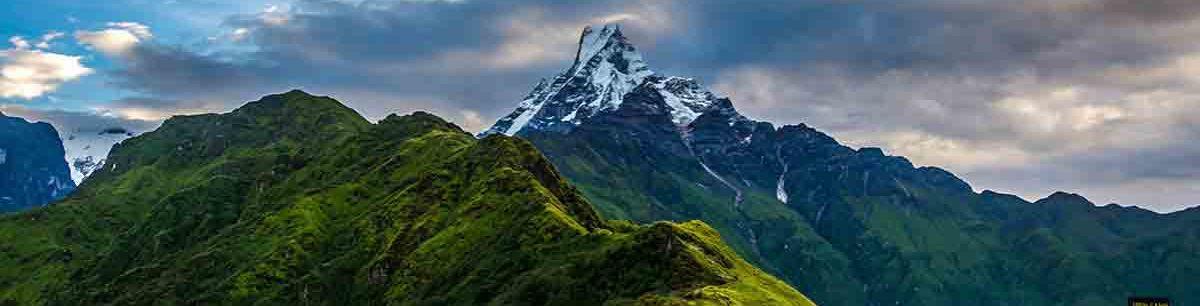

The Annapurna Base Camp Trek is one of Nepal’s most iconic trekking adventures, offering a perfect blend of breathtaking Himalayan scenery, rich cultural experiences, diverse landscapes, and unforgettable moments. Unlike many high-altitude expeditions that demand technical climbing skills, this trek welcomes both experienced hikers and determined beginners who dream of standing beneath some of the world’s highest mountains.
From lush rhododendron forests and cascading waterfalls to charming Gurung and Magar villages, every step of the journey reveals a new perspective of Nepal’s natural and cultural beauty. Reaching Annapurna Base Camp at 4,130 meters is not just about completing a trek—it is about discovering inner strength, embracing simplicity, and creating memories that last a lifetime.
Whether you are planning your first Himalayan adventure or looking to explore another remarkable trail, the Annapurna Base Camp Trek offers an experience that truly transforms the way you see mountains, nature, and yourself.
Why the Annapurna Base Camp Trek Is a Life-Changing Experience
Few trekking routes in the world combine accessibility, breathtaking scenery, and authentic cultural encounters as beautifully as the Annapurna Base Camp Trek. Every day introduces new landscapes and challenges, making the journey as rewarding as the destination itself.
Unlike many famous trekking destinations, Annapurna Base Camp allows trekkers to experience:
- Towering snow-covered Himalayan peaks
- Traditional mountain villages
- Ancient Buddhist and Hindu culture
- Dense forests filled with wildlife
- Natural hot springs
- Glacial rivers and waterfalls
- Stunning sunrise and sunset mountain views
The journey encourages trekkers to disconnect from modern distractions and reconnect with nature, making it an adventure that goes far beyond sightseeing.
Where Is Annapurna Base Camp?
Annapurna Base Camp (ABC) lies within the Annapurna Conservation Area in central Nepal at an elevation of approximately 4,130 meters (13,550 feet).
The trek begins after driving from Kathmandu to Pokhara and then continuing to the trailhead at locations such as Nayapul, Jhinu Danda, or Siwai, depending on the chosen itinerary.
The base camp is surrounded by some of Nepal’s most magnificent mountains, including:
- Annapurna I (8,091 m)
- Annapurna South
- Machhapuchhre (Fishtail Mountain)
- Hiunchuli
- Gangapurna
- Tent Peak
Standing inside this natural mountain amphitheater is one of the most unforgettable moments for any trekker.
Highlights of the Annapurna Base Camp Trek
Spectacular Himalayan Panorama
One of the greatest rewards of the trek is witnessing uninterrupted views of the Annapurna Massif. As trekkers gain elevation, every turn reveals dramatic snow-capped peaks rising above deep valleys.
The sunrise from Annapurna Base Camp paints the surrounding mountains in brilliant shades of orange, pink, and gold—a sight many describe as once-in-a-lifetime.
Experience Traditional Gurung and Magar Villages
The trail passes through welcoming villages where local communities have preserved their traditions for generations.
Popular villages include:
- Ghandruk
- Chhomrong
- Sinuwa
- Bamboo
- Deurali
Visitors can experience:
- Traditional stone houses
- Local hospitality
- Mountain farming lifestyle
- Handmade crafts
- Authentic Nepali cuisine
- Cultural dances during festivals
These cultural interactions make the trek far more meaningful than simply reaching the destination.
Walk Through Diverse Landscapes
One reason the Annapurna Base Camp Trek stands out is the incredible diversity of terrain.
During the journey, trekkers pass through:
Subtropical Forests
The lower elevations are filled with:
- Rhododendron forests
- Bamboo groves
- Oak forests
- Moss-covered trails
Spring transforms these forests into colorful landscapes with blooming rhododendrons.
River Valleys
Crystal-clear rivers accompany much of the trek.
Trekkers cross numerous suspension bridges spanning rushing glacial rivers, adding excitement to the journey while offering spectacular photography opportunities.
Alpine Terrain
Higher elevations introduce dramatic scenery featuring:
- Rocky cliffs
- Snow-covered slopes
- Glacier-fed streams
- Wide alpine meadows
The change in environment is gradual yet astonishing.
Relax at Jhinu Natural Hot Springs
One of the unique highlights of the Annapurna Base Camp Trek is relaxing in the natural hot springs at Jhinu Danda after several days of hiking.
Soaking in warm mineral-rich water while surrounded by forests and rivers provides the perfect way to ease tired muscles before returning to Pokhara.
Best Time for the Annapurna Base Camp Trek
Choosing the right season significantly improves the trekking experience.
Spring (March–May)
Spring is considered one of the best seasons because of:
- Comfortable temperatures
- Blooming rhododendron forests
- Clear mountain views
- Longer daylight hours
This is also one of the busiest trekking seasons.
Autumn (September–November)
Autumn is widely regarded as the most popular trekking season.
Advantages include:
- Crystal-clear skies
- Stable weather
- Excellent visibility
- Pleasant daytime temperatures
Photographers especially appreciate the sharp mountain views during autumn.
Winter (December–February)
Winter offers quieter trails and snow-covered landscapes.
Trekkers should prepare for:
- Cold nights
- Snow near base camp
- Shorter daylight hours
Despite colder conditions, many experienced trekkers enjoy the peaceful atmosphere.
Monsoon (June–August)
The monsoon season brings:
- Heavy rainfall
- Slippery trails
- Leeches in lower forests
- Cloud-covered mountains
While trekking is still possible, spring and autumn remain the preferred seasons.
Annapurna Base Camp Trek Route Overview
Although itineraries vary, the classic route generally follows:
Pokhara → Nayapul/Siwai → Ghandruk → Chhomrong → Bamboo → Dovan → Himalaya → Deurali → Machhapuchhre Base Camp (MBC) → Annapurna Base Camp → Bamboo → Jhinu Danda → Pokhara
Most itineraries require between 7 and 12 days, depending on walking pace, acclimatization, and side trips.
Difficulty Level: Is the Annapurna Base Camp Trek Hard?
The Annapurna Base Camp Trek is generally considered a moderate trek.
It does not require technical mountaineering skills, ropes, or climbing equipment. However, it demands good physical fitness and mental determination.
Trekkers can expect:
- Daily hiking of 5–7 hours
- Numerous stone staircases
- Significant elevation gain
- Variable weather conditions
- Long uphill and downhill sections
The highest point, Annapurna Base Camp at 4,130 meters, is well below the altitude of many Himalayan expeditions, making it achievable for most healthy individuals with proper preparation.
Accommodation Along the Trail
One of the advantages of the Annapurna Base Camp Trek is the availability of comfortable teahouses.
Most lodges provide:
- Twin-sharing rooms
- Comfortable beds
- Blankets
- Shared bathrooms
- Dining halls
- Charging facilities (often for a small fee)
- Wi-Fi in selected villages
Accommodation is basic but clean and welcoming.
Staying in locally operated teahouses also supports mountain communities and provides opportunities to interact with fellow trekkers from around the world.
Food During the Trek
The food available along the route is surprisingly varied and nutritious.
Popular meals include:
Traditional Dal Bhat
Often described as the ultimate trekking meal, Dal Bhat consists of:
- Rice
- Lentil soup
- Seasonal vegetables
- Pickles
- Curry
Many teahouses even offer free refills, making it a favorite among trekkers.
Other Common Dishes
Trekkers can also enjoy:
- Fried rice
- Noodles
- Momos
- Pasta
- Pancakes
- Tibetan bread
- Omelets
- Soups
- Porridge
- Tea and coffee
Maintaining a balanced diet and staying hydrated are essential for sustaining energy during the trek.
Physical Preparation for the Annapurna Base Camp Trek
Although the trek is accessible to many people, preparing in advance significantly enhances the experience.
A training routine beginning 6–8 weeks before departure is recommended and should include:
Cardiovascular Training
Focus on activities such as:
- Hiking
- Jogging
- Cycling
- Swimming
- Stair climbing
Aim for at least 30–60 minutes of cardio, three to five times per week.
Strength Training
Build endurance in the muscles you’ll rely on most by including:
- Squats
- Lunges
- Step-ups
- Calf raises
- Core exercises
- Light weight training
Practice Hiking
If possible, complete several day hikes carrying a backpack similar in weight to what you’ll bring on the trek. This helps your body adapt to long walking days and uneven terrain.
Mental Preparation
Long trekking days, changing weather, and altitude can be mentally demanding. Developing patience, pacing yourself, and maintaining a positive mindset are just as important as physical fitness.
_______________________________________________
Essential Packing List for the Annapurna Base Camp Trek
Packing wisely can make a significant difference in your trekking experience. Since weather conditions change rapidly as you gain altitude, layering your clothing is the best approach.
Clothing
Carry lightweight, moisture-wicking clothing that keeps you comfortable throughout the trek.
Recommended clothing includes:
- Moisture-wicking T-shirts
- Thermal base layers
- Fleece jacket
- Down jacket
- Waterproof shell jacket
- Waterproof trekking pants
- Hiking trousers
- Warm gloves
- Woolen hat
- Sun hat or cap
- Buff or neck gaiter
- Several pairs of trekking socks
- Comfortable sleepwear
Footwear
Proper footwear is essential for preventing injuries and maintaining comfort.
Bring:
- Waterproof trekking boots with ankle support
- Lightweight sandals or camp shoes
- Gaiters (during winter or monsoon)
Trekking Equipment
Your backpack should include:
- 35–45L trekking backpack
- Rain cover
- Trekking poles
- Headlamp with extra batteries
- Reusable water bottles
- Hydration bladder
- Sunglasses with UV protection
- Sunscreen (SPF 50+)
- Lip balm
- Personal first-aid kit
- Power bank
- Camera
- Travel towel
- Basic toiletries
Packing light while carrying all essential items helps reduce fatigue during long trekking days.
Understanding Altitude and Acclimatization
Although the Annapurna Base Camp Trek reaches an altitude of only 4,130 meters, altitude sickness can still affect trekkers.
Common Symptoms
Watch for:
- Headache
- Loss of appetite
- Nausea
- Dizziness
- Fatigue
- Difficulty sleeping
Ignoring these symptoms can lead to more serious altitude-related illnesses.
Tips to Prevent Altitude Sickness
Follow these simple guidelines:
- Ascend gradually.
- Stay well hydrated.
- Avoid excessive alcohol consumption.
- Eat nutritious meals.
- Walk at a comfortable pace.
- Listen to your guide.
- Get enough rest.
- Descend immediately if symptoms become severe.
Remember that no level of physical fitness guarantees immunity from altitude sickness. Proper acclimatization is the key to a safe trek.
Flora and Fauna Along the Trail
The Annapurna Conservation Area is Nepal’s largest protected conservation region and boasts extraordinary biodiversity.
Beautiful Forests
Trekkers pass through forests filled with:
- Rhododendron
- Oak
- Pine
- Fir
- Bamboo
- Birch
Spring transforms these forests into vibrant displays of blooming rhododendrons, Nepal’s national flower.
Wildlife
Lucky trekkers may encounter:
- Himalayan Monal (Danphe)
- Musk deer
- Himalayan tahr
- Langur monkeys
- Himalayan griffon vultures
- Various pheasants
- Colorful butterflies
Protecting this fragile ecosystem is everyone’s responsibility.
Cultural Experiences That Make the Journey Special
The Annapurna Base Camp Trek is not just about mountains—it is equally a journey through the heart of Nepal’s rich cultural heritage.
The trail passes through villages inhabited primarily by the Gurung and Magar communities, who are known for their warm hospitality and deep connection to the Himalayas.
Visitors often experience:
- Traditional stone-built homes
- Buddhist monasteries
- Prayer wheels
- Colorful prayer flags
- Ancient customs
- Local festivals
- Authentic mountain cuisine
Many teahouse owners share stories about their families, traditions, and daily life in the mountains, creating meaningful connections that enrich the trekking experience.
Respecting local customs, dressing modestly, and greeting residents with a friendly “Namaste” are simple ways to show appreciation for the local culture.
Cost of the Annapurna Base Camp Trek
The overall cost of the trek depends on factors such as the itinerary, group size, services included, and whether you choose an independent trek or a guided package.
Typical expenses may include:
- Transportation to and from Pokhara
- Trekking permits
- Licensed guide
- Porter (optional but recommended)
- Accommodation in teahouses
- Meals during the trek
- Drinking water
- Snacks
- Travel insurance
- Personal equipment rental or purchase
- Tips for guides and porters
Budget-conscious trekkers can keep costs relatively low, while those seeking added comfort can opt for premium packages with private transportation and upgraded accommodation.
Why Hiring a Guide Is Worth It
While experienced hikers may complete the trek independently where regulations allow, hiring a licensed guide offers several benefits.
A professional guide can:
- Navigate the trail safely
- Monitor your health and acclimatization
- Arrange accommodation
- Explain local culture and history
- Assist during emergencies
- Communicate with local communities
- Enhance your overall experience
Hiring local guides also supports the livelihoods of mountain communities.
Responsible Trekking Practices
The Himalayas are a fragile environment that deserves protection.
Follow these responsible trekking principles:
Leave No Trace
Always carry your waste until proper disposal is available.
Avoid leaving:
- Plastic bottles
- Snack wrappers
- Wet wipes
- Cigarette butts
Reduce Plastic Waste
Instead of purchasing disposable plastic bottles, carry a reusable bottle and purify drinking water using filters or purification tablets.
Respect Wildlife
Observe animals from a distance.
Never:
- Feed wildlife
- Chase animals
- Damage plants
- Remove natural objects
Support Local Businesses
Choose:
- Local guides
- Local porters
- Family-run teahouses
- Handmade souvenirs
This directly benefits mountain communities and promotes sustainable tourism.
Photography Tips for the Annapurna Base Camp Trek
The trek offers endless opportunities for stunning photographs.
Some of the best photography locations include:
- Ghandruk Village
- Chhomrong
- Bamboo Forest
- Machhapuchhre Base Camp
- Annapurna Base Camp
- Sunrise over Annapurna I
- Suspension bridges
- Rhododendron forests (spring)
For the best lighting, capture landscapes during early morning and late afternoon when the mountains glow with warm golden hues.
Why Every Trekker Should Experience Annapurna Base Camp
The Annapurna Base Camp Trek is more than reaching a destination—it is a journey of personal growth.
Many trekkers finish the adventure with:
- Greater self-confidence
- Improved physical endurance
- Lasting friendships
- Deeper appreciation for nature
- Respect for mountain communities
- Lifelong memories
Standing beneath Annapurna I, surrounded by towering Himalayan peaks, reminds trekkers how small yet connected we are within the natural world.
Frequently Asked Questions (FAQs)
How many days does the Annapurna Base Camp Trek take?
Most itineraries range between 7 and 12 days, depending on the starting point, walking pace, and acclimatization schedule.
What is the highest point of the trek?
The highest point is Annapurna Base Camp, situated at 4,130 meters (13,550 feet).
Is prior trekking experience necessary?
No. Individuals with good physical fitness, proper preparation, and determination can successfully complete the trek.
When is the best time to do the Annapurna Base Camp Trek?
Spring (March to May) and autumn (September to November) provide the most stable weather, comfortable temperatures, and excellent mountain views.
Is altitude sickness common?
Altitude sickness is possible above 2,500 meters. Trekking gradually, staying hydrated, and following proper acclimatization practices greatly reduce the risk.
Can beginners complete the Annapurna Base Camp Trek?
Yes. Many first-time trekkers complete the route successfully with adequate training and support from experienced guides.
Conclusion
The Annapurna Base Camp Trek is one of Nepal’s most rewarding trekking adventures, offering a remarkable combination of dramatic Himalayan landscapes, welcoming mountain communities, and unforgettable personal achievements. Every stage of the journey—from lush forests and terraced fields to high alpine terrain—reveals the incredible diversity of the Annapurna region.
Whether you are seeking adventure, cultural immersion, stunning photography, or a meaningful escape into nature, this trek delivers an experience that extends far beyond reaching the base camp. With thoughtful preparation, responsible trekking practices, and a spirit of exploration, the Annapurna Base Camp Trek can become one of the most memorable journeys of your life.
If you dream of standing in the heart of the Himalayas, surrounded by some of the world’s highest peaks, the Annapurna Base Camp Trek is an adventure that deserves a place at the top of your bucket list.
