
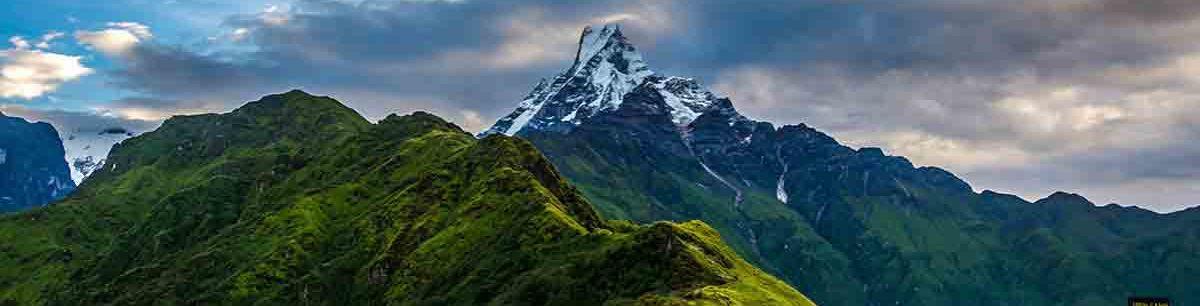

Nepal adventure travel in 2026 is set to reach a new peak. As global travelers increasingly seek authentic, physically engaging, and nature-driven experiences, Nepal stands out as Asia’s most compelling adventure destination. Home to the world’s highest mountains, ancient trekking routes, and a rapidly growing extreme sports scene, Nepal offers a rare combination of challenge, culture, and accessibility.
From iconic Himalayan treks and beginner-friendly peak climbing to adrenaline-pumping activities like paragliding, white-water rafting, and bungee jumping, Nepal continues to evolve while preserving its raw appeal. In 2026, improved infrastructure, sustainable tourism initiatives, and renewed global interest in outdoor travel are positioning Nepal at the forefront of adventure tourism in Asia.
This article explores why trekking, peak climbing, and adventure sports make Nepal the top adventure travel destination in 2026, and what travelers can expect when planning their journey.
Why Nepal Is Asia’s Leading Adventure Travel Destination in 2026
Several factors contribute to Nepal’s dominance in the adventure travel sector. First and foremost is geography. Nepal is home to eight of the world’s fourteen 8,000-meter peaks, including Mount Everest, Lhotse, and Annapurna I. However, Nepal’s appeal extends far beyond high-altitude mountaineering.
In recent years, the government and private sector have worked together to diversify adventure offerings, promote lesser-known regions, and improve safety standards. As a result, Nepal now caters to a wide spectrum of travelers, from first-time trekkers to seasoned climbers and thrill-seekers.
Moreover, post-pandemic travel trends emphasize meaningful experiences, sustainability, and outdoor activities. Nepal aligns perfectly with these priorities, making 2026 an ideal year to explore the country.
Trekking in Nepal: The Backbone of Adventure Travel
Trekking remains the cornerstone of Nepal adventure travel. In 2026, trekking in Nepal continues to attract travelers from all over the world due to its variety, accessibility, and cultural depth.
Popular Trekking Routes in Nepal
Nepal offers trekking routes suitable for beginners, intermediate hikers, and experienced adventurers. Some of the most popular treks include:
- Everest Base Camp Trek – A bucket-list journey combining mountain scenery, Sherpa culture, and legendary trails.
- Annapurna Base Camp Trek – Known for diverse landscapes, from subtropical forests to alpine terrain.
- Annapurna Circuit Trek – Famous for the Thorong La Pass and its dramatic elevation changes.
- Manaslu Circuit Trek – A quieter alternative offering pristine trails and Tibetan-influenced culture.
- Langtang Valley Trek – Ideal for travelers seeking scenic beauty close to Kathmandu.
In 2026, these treks benefit from better trail maintenance, digital permit systems, and improved lodge facilities.
Why Trekking in Nepal Is Still Unmatched
Unlike many trekking destinations, Nepal combines natural beauty with living culture. Trekkers pass through villages, monasteries, prayer wheels, and terraced farmland. This cultural immersion, combined with dramatic Himalayan scenery, creates an experience that few countries can replicate.
Additionally, Nepal offers exceptional value. Compared to other global trekking destinations, costs for guides, accommodation, and permits remain relatively affordable.
Peak Climbing in Nepal: Accessible Himalayan Summits
Peak climbing in Nepal bridges the gap between trekking and full-scale mountaineering. In 2026, interest in climbing trekking peaks continues to grow, particularly among adventure travelers seeking a physical challenge without extreme technical difficulty.
Popular Trekking Peaks in Nepal
Some of the most climbed peaks include:
- Island Peak (Imja Tse) – Ideal for beginners with basic mountaineering training.
- Mera Peak – Nepal’s highest trekking peak, offering panoramic views of Everest, Makalu, and Kanchenjunga.
- Lobuche East Peak – A more technical option for climbers with prior experience.
- Pisang Peak – Often combined with the Annapurna Circuit.
These peaks typically range from 5,800 to 6,500 meters and are accessible with proper acclimatization and guidance.
Why Peak Climbing Is Booming in 2026
Several factors drive the popularity of peak climbing in Nepal:
- Increased interest in personal challenge and skill-based travel
- Improved training programs and safety standards
- Government initiatives promoting lesser-known peaks
- Availability of experienced local guides and Sherpa support
For many travelers, peak climbing represents a once-in-a-lifetime achievement that combines adventure, endurance, and Himalayan exploration.
Extreme Sports in Nepal: Beyond Trekking and Climbing
While trekking and peak climbing dominate Nepal’s adventure identity, extreme sports are rapidly gaining popularity. In 2026, Nepal is no longer just a trekking destination—it is a multi-adventure playground.
Top Extreme Adventure Activities in Nepal
Paragliding in Pokhara
Pokhara is considered one of the world’s best paragliding destinations. Flights offer views of Phewa Lake, the Annapurna range, and lush valleys.
White-Water Rafting and Kayaking
Rivers like the Trishuli, Bhote Koshi, and Sun Koshi provide rafting options ranging from beginner to expert level.
Bungee Jumping and Swing
The Bhote Koshi Gorge hosts some of the highest bungee jumps and canyon swings in Asia.
Mountain Biking
From Mustang’s high-altitude trails to Kathmandu Valley routes, mountain biking is gaining international recognition.
Ultralight Flights
Short scenic flights over lakes, hills, and mountains offer a unique aerial perspective of Nepal’s landscapes.
Why Extreme Sports Are Expanding in Nepal
Adventure travelers in 2026 want variety. Nepal’s ability to combine trekking, climbing, and adrenaline sports in one trip is a major competitive advantage. Furthermore, improved safety protocols and international certifications have increased confidence among travelers.
Sustainable Adventure Tourism in Nepal
Sustainability is a growing focus in Nepal adventure travel. In 2026, eco-friendly practices are no longer optional—they are expected.
Key initiatives include:
- Promotion of community-based trekking routes
- Waste management policies in high-altitude regions
- Use of local guides and porters to support rural economies
- Restrictions on over-crowding in sensitive areas
These efforts ensure that adventure tourism benefits both travelers and local communities while preserving Nepal’s fragile mountain ecosystems.
Best Time for Adventure Travel in Nepal in 2026
Choosing the right season is essential for a successful adventure trip.
- Spring (March to May) – Ideal for trekking, peak climbing, and mountaineering
- Autumn (September to November) – Best weather and visibility for trekking and climbing
- Winter (December to February) – Suitable for lower-altitude treks and cultural tours
- Monsoon (June to August) – Best for rafting and lush landscapes, but limited trekking
For most adventure activities, spring and autumn remain the preferred seasons.
Why 2026 Is the Perfect Year to Visit Nepal for Adventure
Nepal in 2026 represents a balance between tradition and progress. Trails are better managed, safety standards are higher, and travelers have access to a wider range of experiences than ever before.
At the same time, Nepal has retained its authenticity. The mountains remain wild, the culture deeply spiritual, and the adventure genuine. For travelers seeking more than just sightseeing, Nepal offers transformation through challenge and discovery.
Final Thoughts: Nepal’s Adventure Future Is Stronger Than Ever
Nepal adventure travel in 2026 is not defined by a single activity. Instead, it is the seamless combination of trekking, peak climbing, and extreme sports that makes the country Asia’s top adventure destination.
Whether you dream of walking to Everest Base Camp, standing on a Himalayan summit, or flying above lakes and mountains, Nepal delivers experiences that are both powerful and personal. For adventure travelers looking ahead to 2026, Nepal is not just an option—it is the benchmark.
