
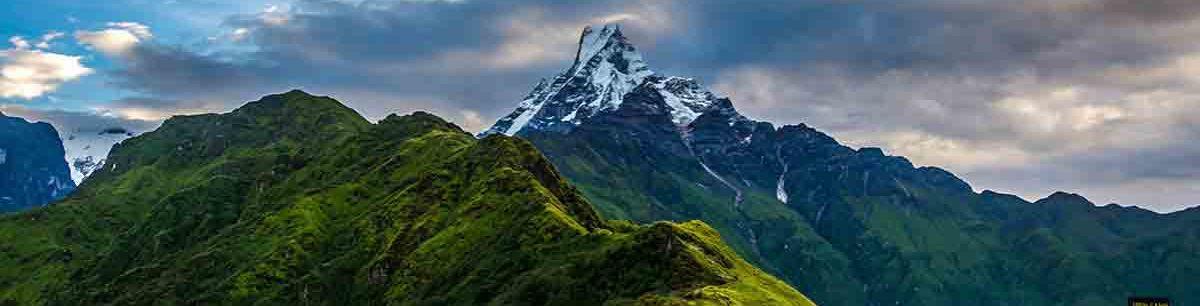

Introduction: Why Preparation Is the Real Key to Everest Base Camp
The Everest Base Camp trek is one of the most iconic trekking experiences in the world.
Every year, thousands of trekkers travel to Nepal to walk in the footsteps of legendary mountaineers.
The dream is simple.
Reach the base of the world’s highest mountain.
The journey offers breathtaking scenery.
Snowy peaks surround the trail.
Traditional Sherpa villages add cultural richness.
Prayer flags flutter in the wind at high passes.
However, the Everest Base Camp trek is not just a scenic walk.
It is a high-altitude trek that demands preparation, patience, and awareness.
Many trekkers fail to plan properly.
As a result, they make mistakes that affect their health, comfort, and overall experience.
Some Everest Base Camp trek mistakes seem small at first.
Over time, they become serious problems.
Altitude sickness, injuries, and exhaustion are common consequences.
The good news is that most of these mistakes are avoidable.
With the right knowledge, you can trek safely and confidently.
This article explains five common Everest Base Camp trek mistakes.
Each mistake is discussed in simple language.
Practical solutions are provided to help you avoid problems and enjoy the journey.
Mistake #1: Rushing the Trek and Ignoring Acclimatization
Why Acclimatization Is Critical on the EBC Trek
Altitude is the biggest challenge on the Everest Base Camp trek.
The trail gradually climbs above 5,000 meters.
At this height, oxygen levels are much lower than at sea level.
Your body needs time to adjust to reduced oxygen.
This process is called acclimatization.
Without it, altitude sickness can develop quickly.
Many trekkers rush their itinerary.
They want to finish faster.
Some try to save money or vacation time.
This is one of the most dangerous Everest Base Camp trek mistakes.
Common Symptoms of Altitude Sickness
Altitude sickness affects people differently.
Fitness level does not guarantee protection.
Common symptoms include:
- Persistent headache
- Loss of appetite
- Nausea or vomiting
- Dizziness
- Shortness of breath
- Difficulty sleeping
Ignoring these signs is risky.
Severe altitude sickness can become life-threatening.
How to Avoid This Mistake
Follow a well-planned itinerary.
A standard Everest Base Camp trek includes acclimatization days.
Namche Bazaar and Dingboche are essential stops.
These rest days allow your body to adapt.
Walk slowly.
Maintain a steady pace.
Drink plenty of water throughout the day.
Avoid alcohol and smoking at high altitude.
If symptoms worsen, descend immediately.
Reaching Everest Base Camp is optional.
Returning safely is not.
Mistake #2: Underestimating the Physical Difficulty of the Trek
Everest Base Camp Is More Demanding Than It Looks
Many people believe the Everest Base Camp trek is easy.
They assume it is suitable for everyone.
This assumption is incorrect.
The trek involves long walking days.
You may walk five to seven hours daily.
Some days include steep uphill climbs.
The terrain is uneven and rocky.
Cold temperatures increase fatigue.
Carrying a backpack adds strain.
Lack of physical preparation is a common Everest Base Camp trek mistake.
What Happens Without Proper Fitness
Poor fitness affects your entire trek.
You become tired early in the day.
Recovery takes longer.
Other consequences include:
- Increased risk of knee injuries
- Muscle strain and joint pain
- Difficulty keeping pace with the group
- Reduced enjoyment
Many trekkers quit because they feel overwhelmed.
How to Prepare Physically
Start training at least six to eight weeks before departure.
Focus on cardiovascular exercises.
Walking, hiking, stair climbing, and cycling are effective.
Gradually increase intensity and duration.
Strength training is also important.
Build leg and core muscles.
Practice hiking with a backpack.
This improves balance and confidence.
Good fitness does not make the trek easy.
It makes it manageable and enjoyable.
Mistake #3: Packing the Wrong Gear or Too Much Gear
Why Proper Gear Matters on the EBC Trek
Weather in the Himalayas is unpredictable.
Sunny mornings can turn cold and windy by afternoon.
Night temperatures drop below freezing at higher elevations.
Packing mistakes cause discomfort.
They also increase health risks.
This is one of the most common Everest Base Camp trek mistakes.
Common Packing Errors
Many trekkers pack incorrectly.
Some bring too much gear.
Others bring unsuitable items.
Common errors include:
- New trekking boots that cause blisters
- Heavy backpacks
- Inadequate cold-weather clothing
- Low-quality sleeping bags
- Cotton clothing
Cotton absorbs moisture and dries slowly.
This increases the risk of hypothermia.
How to Pack Smart for Everest Base Camp
Choose well-fitted trekking boots.
Break them in before the trek.
Dress in layers.
Base layers should wick moisture.
Middle layers should provide insulation.
Outer layers should protect from wind and rain.
Use a sleeping bag rated for sub-zero temperatures.
Keep your backpack as light as possible.
Many trekkers rent gear in Kathmandu.
This reduces travel weight and cost.
Packing smart improves comfort and energy levels.
Mistake #4: Choosing the Wrong Season to Trek
Why Timing Matters on the Everest Base Camp Trek
Weather conditions play a major role in trekking success.
Choosing the wrong season is a serious Everest Base Camp trek mistake.
The Himalayas experience extreme seasonal changes.
Visibility, temperature, and safety vary throughout the year.
Seasons That Create Problems
The monsoon season brings heavy rainfall.
Trails become muddy and slippery.
Landslides are more common.
Flights to Lukla are often delayed or canceled.
Clouds block mountain views.
Winter trekking brings extreme cold.
Snow can block trails and passes.
Some lodges close due to low demand.
Both seasons increase difficulty and risk.
Best Time for the Everest Base Camp Trek
Spring and autumn are the best seasons.
Spring offers moderate temperatures.
Rhododendron forests bloom at lower elevations.
The atmosphere feels lively.
Autumn provides clear skies.
Mountain views are sharp and dramatic.
Weather conditions are stable.
Choosing the right season improves safety.
It also enhances the overall experience.
Mistake #5: Trekking Without Professional Support
Why Trekking Alone Can Be Risky
Some trekkers choose to trek without a guide or porter.
They believe it saves money.
They want complete independence.
This can be a serious Everest Base Camp trek mistake.
Altitude sickness can strike suddenly.
Weather conditions change quickly.
Navigation errors still occur.
In emergencies, help may not be immediately available.
Benefits of Hiring a Guide
Licensed guides are trained professionals.
They monitor your health daily.
They manage accommodation and meals.
Guides recognize early signs of altitude sickness.
They make decisions based on safety.
They also share local knowledge.
This adds cultural value to the trek.
Benefits of Hiring a Porter
Porters carry heavy loads.
This reduces physical strain.
It helps with acclimatization.
You can focus on walking comfortably.
Your knees and back stay protected.
Hiring local staff also supports the local economy.
It promotes responsible tourism.
Additional Tips to Avoid Everest Base Camp Trek Mistakes
Stay Hydrated
Drink at least three liters of water per day.
Hydration helps prevent altitude sickness.
Avoid alcohol and smoking during the trek.
Eat Enough Food
Your body burns more calories at altitude.
Eat regular meals even if appetite decreases.
Carbohydrates provide essential energy.
Get Proper Travel Insurance
Many trekkers overlook insurance.
This is a critical Everest Base Camp trek mistake.
Your policy must cover high-altitude trekking.
Helicopter evacuation should be included.
Conclusion: Prepare Well and Enjoy the Journey
The Everest Base Camp trek is a once-in-a-lifetime experience.
It is challenging but deeply rewarding.
Most problems arise from poor preparation.
The good news is that mistakes are preventable.
Understanding common Everest Base Camp trek mistakes helps you trek smarter.
Take acclimatization seriously.
Train your body before arrival.
Pack wisely and lightly.
Choose the right season.
Seek professional support when needed.
With proper planning, the trek becomes unforgettable.
Preparation transforms difficulty into achievement.
Your journey to Everest Base Camp deserves careful attention.
