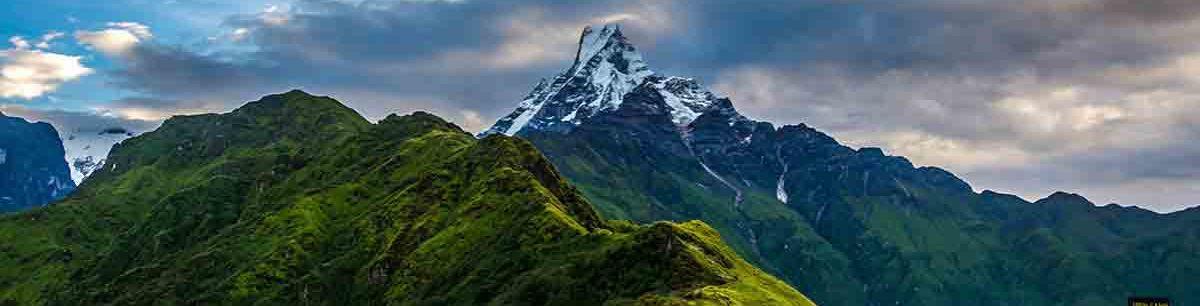
Food on the Manaslu Trek: Local Flavors, Daily Menus, and the Soul of the Himalayas

Food on the Manaslu Circuit Trek is more than sustenance—it’s a deeply human experience that nourishes the body, uplifts the spirit, and connects trekkers with the rugged soul of the Himalayas. From the moment you take your first bite of dal bhat—Nepal’s national staple of rice, lentil soup, and spiced vegetables—you’re not just eating a meal, but partaking in a centuries-old tradition of mountain hospitality, one that offers not only warmth and calories but generosity, often in refillable portions that speak volumes about the kindness of the hosts. In teahouses carved into the slopes of remote villages, hearty breakfasts like Tibetan bread, porridge, and boiled eggs prepare you for long days on foot, while nourishing dinners—thukpa, momo, fried rice, and steaming potato dishes—bring respite from the cold. Each plate, however simple, tells a story of resilience: how ingredients are hauled by mule or back, how gundruk (fermented greens) and sukuti (dried meat) preserve flavor and protein against the odds of altitude, how apple pies made with local fruit appear miraculously in the highest kitchens. The farther you trek, the plainer the menu becomes, yet every cup of yak butter tea or hot garlic soup feels like a reward, rich with care and tradition. You dine not in luxury, but in a shared space where community matters—porters, guides, and trekkers breaking bread under the same roof, laughing over lentils, sharing stories by firelight. The food may not be fancy, but its spirit is profound: it is food cooked with effort, offered with heart, and remembered long after the trail ends.


The Heart of Every Meal: Dal Bhat and Local Staples

Dal Bhat – the backbone of trekking nutrition in Nepal. A steaming serving of lentil soup (dal), white rice (bhat), vegetable curries, pickles, and sometimes meat—this meal is often refillable at no extra cost, offering the calorie-rich goodness trekkers need.

Dhido and Gundruk – steeped in rural tradition, dhido (a hearty porridge from millet, barley, or corn) paired with gundruk (fermented leafy greens) is particularly valued for its nourishing heft and historical roots

Tsampa – roasted barley flour transformed into dough-like sustenance that’s quick, easy, and high-energy—especially popular at higher altitudes .

Sukuti – Nepal’s version of beef jerky (often made with buffalo, lamb, or goat), this dried, spiced meat is lightweight, protein-rich, and preserved for rugged conditions .


Breakfast Delights: Fueling the Day Ahead

At teahouses throughout lower and mid elevations, breakfast is abundant and energizing. Options often include:

  • Tibetan bread, chapati, pancakes (apple, chocolate), porridge (apple, honey, oats)
  • Egg dishes—boiled, scrambled, omelets infused with veggies or cheese
  • Cereals like cornflakes or muesli with hot milk
  • Hearty soups—garlic soup especially is favored for its altitude-sickness protective qualities .

Morning orders are usually placed the night before to accommodate the kitchen’s preparation .


Lunch & Dinner: Warmth, Variety & Community

Despite its remoteness, the Manaslu Trek surprises with menu variety:

  • Soups and Noodles: Thukpa (noodle soup), chowmein, fried noodles, or veg noodle soups offer warmth and comfort .
  • Western-influenced dishes, particularly in lower areas: pasta, pizza (sometimes yak-cheese-topped), sandwiches, burgers, and even fries or spaghetti.
  • Local favorites: Dal Bhat remains a consistent go-to; momo (steamed or fried dumplings with veg or meat) are crowd-pleasing snacks; thukpa, noodles, and stews provide warmth and ease on colder nights
  • At higher elevations, the menu narrows: expect simpler fare—potatoes, soups, some bread, limited veggies—due to transport and supply constraints .

Drinks & Desserts: Comfort in a Cup (or Bite)

Drinks:

  • Tea varieties—milk tea spiced with ginger, cardamom, cinnamon, or black tea
  • Chai and Yak Butter Tea (thick, salty, calorie-rich) provide necessary warmth at altitude .
  • Hot lemon, coffee, and even local alcoholic refreshers like raksi (rice-based wine) or apple wine show up in some villages .

Desserts & Snacks:

  • Rice pudding, kheer, apples, apple pie, jalebi, gulab jamun, and locally baked treats like yak cheese pie .
  • Snacks: biscuits, chocolate bars, dried fruit, nuts, energy bars—trekkers bring them from towns due to cost hikes higher up .

Hydration & Safe Water

Hydration is vital—not just water, but soups and hydrating drinks. Expect to drink up to 5 liters daily .

Water sources include:

  • Bottled water (expensive and environmentally taxing)
  • Boiled water sold in teahouses
  • Natural springs or taps, which need purification before drinking—tablets or filters are highly recommended .

Cost, Accessibility & Logistics

Prices fluctuate significantly with altitude:

AreaDal Bhat PriceTea/CoffeeBoiled WaterDaily Food Estimate
Lower (Jagat etc.)$3–5$1–2$1$25–30
Mid (Samagaon etc.)$5–7$2–3$2–3$25–35
High (Dharamsala)$7–10$3–4$3–5$30–40

Cumulative meals can cost around USD 25–40 per day

Note: Teahouses typically accept cash only (Nepali rupees); ATMs disappear beyond Machha Khola or Arughat—plan ahead .


Dietary Needs & Practical Tips

  • Vegetarian and vegan trekkers will generally find sufficient lentil, vegetable, and grain-based options, especially for breakfast and dal bhat meals .
  • Allergies are manageable if clearly communicated via your guide or directly in teahouses, though specialized alternatives may be limited .
  • Fresh fruits and veggies are available mainly at lower altitudes—don’t rely on them later in the trek .
  • Bring snacks just in case—it’s wise and often more cost-effective .

The Human Flavor: Cuisine with Character

What elevates the Manaslu Circuit Trek’s food experience is the warmth behind it:

  • Meals are often prepared in modest kitchens by local families, using basic ingredients, with limited tools—yet served with genuine hospitality and smiles .
  • Communal dining is common—guides, porters, and trekkers often eat together, fostering a sense of camaraderie.
  • Sourcing local ingredients, even at altitude—is a testament to human resourcefulness and mountain agriculture, from root vegetables to dried meats .
  • Despite its remoteness, this stretch shares the warmth of community, tradition, and sustenance that transforms simple meals into soulful nourishment.

Final Thoughts

Embarking on the Manaslu Circuit Trek means embracing humble nourishment that is profoundly human:

  • Dal Bhat, tsampa, dhido, momo, and noodle soups are your loyal companions.
  • Local tea, yak butter tea, and garlic soup warm both body and spirit.
  • As altitude climbs, menus shrink—but so does the distance between hearts.
  • Food becomes less about luxury and more about vitality, connection, and the mountain rhythm.

So as you lace your boots, pack a sense of adventure, and set out on the trail, know that each meal—no matter how modest—carries more than flavor. It carries story, resilience, and the quiet grace of highland life.

Post-Monsoon Treks in Manaslu Region: Hidden Gems Await

The Manaslu region, known for its untouched wilderness and remote Himalayan beauty, transforms into a trekker’s paradise after the monsoon. As the rains taper off in late August and early September, the curtains of mist lift, revealing a landscape refreshed, lush, and brimming with energy. For adventurers seeking solitude, cultural immersion, and pristine scenery far from Nepal’s more crowded routes, post-monsoon treks in Manaslu deliver an experience that is both exhilarating and humbling.

Why Post-Monsoon? The Magic of Trekking Manaslu After the Rains

Nature’s Grand Reset

Monsoon showers are the region’s annual act of rejuvenation. The torrential rains from June to August soak the hills, cleanse the air, and awaken rivers, waterfalls, and forests in dramatic fashion. When the skies clear, you’re greeted by:

  • Emerald valleys swept clean of dust
  • Clear, deep-blue skies offering unrivaled mountain views
  • Explosive wildflower blooms and mossy forests
  • Active wildlife — from Himalayan birds to elusive mammals

Trekker’s Paradise

The crowds of the Annapurna and Everest circuits are absent here, especially after the monsoon when many travelers are still hesitant about trail conditions. The result? Tranquil paths, open teahouses, and villages that feel welcoming yet undisturbed. Costs for accommodation are often lower in this “shoulder season,” making the trek more affordable.

Where to Go: Manaslu’s Hidden Gems

The Classic Manaslu Circuit

Encircling Mt. Manaslu (8,163m), the world’s eighth-highest peak, this trail is often described as Nepal’s best-kept secret. The full circuit offers:

  • Remote villages and terraced hillsides
  • Suspension bridges over roaring post-monsoon rivers
  • Tibetan Buddhist monasteries adorned with fresh prayer flags
  • The dramatic crossing of Larkya La Pass (5,106m), with panoramic views of Manaslu, Himalchuli, and Annapurna

What’s Special Post-Monsoon?

After the rains, the Budhi Gandaki Valley’s forests are deep green, waterfalls are at their strongest, and the freshly cleaned skies give crystal-clear mountain vistas. Early autumn, especially October, delivers crisp mornings, minimal rainfall, and a landscape at its lushest.

Tsum Valley: The Hidden Buddhist Sanctuary

Long considered a “hidden valley,” Tsum has opened to trekkers only in recent decades. Here you’ll find:

  • Ancient monasteries, meditation caves, and remote villages
  • Distinct Tibetan Buddhist culture and art
  • Secretive landscapes shrouded in myth and story

“Trek into Tsum Valley for spiritual immersion, pristine forests, and encounters with monks, nuns, and villagers who keep centuries-old traditions alive. In the post-monsoon season, the valley is bursting with color and life.”

Nubri and Barpak Villages: Underrated Side Adventures

Off the main route, these villages offer authentic cultural encounters and humbling stories of resilience, especially Barpak, the epicenter of the 2015 earthquake. There are also lesser-known gems:

  • Birendra Lake: See turquoise ice melt shimmering in the alpine sun.
  • Pungyen Gompa Lake: Nestled under Manaslu Glacier, especially stunning post-rain.

Kal Taal: Off-the-Map Wilderness

For true adventurers, Kal Taal (3,574m) is a secluded lake accessible from the village of Pork — rarely visited yet jaw-dropping in beauty, especially after the monsoon refills mountain streams and lakes.

The Post-Monsoon Experience: What to Expect

Weather and Trail Conditions

September–November is considered the golden window. Monsoon rains wane in early September; trails dry out by mid-to-late September, creating excellent trekking conditions. Expect:

  • Pleasant daytime temperatures (10–25°C)
  • Cold, clear nights at higher altitudes (down to –5°C at the highest passes)
  • Dramatic waterfalls, gushing rivers, wild streams bridged by prayer flag-decked crossings
  • Dry, stable weather by October, with dazzling mountain views and spectacular sunsets

Trail Challenges and Rewards

The Pros

  • Lush, vibrant scenery: Green valleys, flower-strewn forests, and active wildlife.
  • Serenity: Fewer trekkers, less crowded teahouses, tranquil monasteries.
  • Cultural encounters: Villagers celebrate the end of the rains with festivals; fields are alive with harvest.

The Cons

  • Trail hazards: In the early post-monsoon weeks, some lower sections can be muddy or washed out. Occasional landslides may reroute your journey, especially in Budhi Gandaki Valley.
  • Leeches: Persist in damp forests at lower elevations; anti-leech socks and salt are essential gear.
  • Variable weather: September may see brief, residual showers; October offers the best clarity.

Responsible Trekking: Protecting Manaslu’s Renewal

With renewal comes fragility. As new plant growth covers the trails and wildlife emerges, trekkers should:

  • Stay on marked paths to prevent erosion and damage to new foliage
  • Carry out all waste and avoid using disposable plastics
  • Support local teahouses and guides to promote sustainable tourism
  • Respect local traditions, especially during festivals or in sacred areas

Planning Your Post-Monsoon Manaslu Trek

Permits and Logistics

  • Restricted Area Permit (RAP): Mandatory for all trekkers, issued only through registered Nepali agencies.
  • Manaslu Conservation Area and Annapurna Conservation Area permits are also required.
  • Guides are compulsory; solo trekking is not permitted.
  • Minimum group size: 2 trekkers (foreigners).

Essential Gear

  • Waterproof boots, anti-leech socks, and hiking poles for tricky terrain
  • Quick-dry clothing, layered for changing temps
  • High-quality rain jacket and bag cover (especially early in the season)
  • Warm sleeping bag (rated for –5°C or colder)
  • Water purification and snacks—remote villages offer basic services

Best Time to Go

  • September: Trails begin to dry; skies clear, but be prepared for sporadic showers and muddy patches.
  • October–early November: Peak post-monsoon clarity, stable weather, vibrant landscapes, and local festivals.
  • Late November: Nights turn colder, passes may receive the season’s first snows, but trails remain largely accessible.

Unforgettable Encounters: What Makes Manaslu’s Hidden Gems Unique

Nature: From wild rhododendron blooms to the resounding call of Himalayan monals, every day brings surprises. Be on the lookout for endangered wildlife; you may spot blue sheep, red pandas, or even the elusive snow leopard within the conservation area.

Culture: The kindness of local villagers, the chant of monks and nuns at ancient gumba (monasteries), and the sight of intricately carved mani walls—all combine to make Manaslu a journey for the soul as well as the senses.

Solitude: Even at the busiest times, Manaslu remains comparatively quiet. Post-monsoon, discover valleys and vistas you might have all to yourself.

Final Thoughts: Why You Should Go Now

The Manaslu region, especially in the aftermath of the monsoon, embodies the wild spirit of the Himalayas. With its emerald-carpeted valleys, roaring rivers, and unspoiled villages, it invites you to trek not only across landscapes but also into stories of resilience, renewal, and raw nature. Far from the crowds, these hidden gems await—ready to test your limits, restore your spirit, and leave you in awe of Nepal’s untouched mountain majesty.

If you seek Himalayan adventure that blends breathtaking scenery, deep culture, and true wilderness, post-monsoon in Manaslu is your calling. Hidden gems await on every step—go discover them for yourself.

Ultimate Guide: Best Himalayan Climbs After Monsoon (August–October)

The Himalayas—often referred to as the “abode of snow”—hold some of the world’s most awe-inspiring peaks. Stretching across five countries and towering into the heavens, this range is both a dream and a proving ground for mountaineers. While many climbers aim for the classic spring season, the post-monsoon period (late September to November) offers an often-overlooked but ideal window for some of the best climbs in the region.

During this season, the skies are clearer, the trails are less crowded, and the mountain vistas are at their most dramatic. Whether you’re a seasoned high-altitude mountaineer or an adventurous trekker stepping up to your first climbing peak, this guide will walk you through the Top 5 Post-Monsoon Himalayan Climbs You Shouldn’t Miss—each handpicked for their beauty, challenge, and ideal seasonal conditions.


Why Climb in the Post-Monsoon Season?

Before diving into the climbs, it’s important to understand why this period is so revered among Himalayan veterans:

  • Clear Skies & Stable Weather: After the summer monsoon rains, the weather stabilizes, creating excellent climbing conditions.
  • Reduced Avalanche Risk: Snow consolidates post-monsoon, making slopes safer.
  • Better Visibility: Washed-clean skies offer some of the clearest mountain views of the year.
  • Fewer Crowds: Unlike the popular spring climbing season, autumn trails and camps are less congested.

Now let’s explore the five post-monsoon Himalayan climbs that should be on every mountaineer’s radar.


Ama Dablam (6,812 m) – Nepal

The Jewel of the Khumbu

Ama Dablam, often called the “Matterhorn of the Himalayas,” is one of the most iconic peaks in the world—not just for its striking pyramid shape but also for its technical challenges and breathtaking views of Everest, Lhotse, and Makalu.

Why Post-Monsoon is Ideal

  • The peak climbing season is October to early November, when snow conditions are most stable.
  • Fewer weather disruptions and reduced risk of icefall collapse compared to spring.
  • The clear skies make for perfect summit photographs.

Climbing Highlights

  • A highly technical ascent with steep ice, rock, and snow pitches.
  • Requires prior experience with fixed ropes, ascenders, and alpine climbing.
  • Base camp sits at a picturesque meadow above Pangboche village.

Who Should Attempt

Experienced climbers with previous high-altitude technical climbs under their belts. Often used as preparation for 8,000-meter peaks.


Island Peak (Imja Tse, 6,189 m) – Nepal

Best Entry-Level Himalayan Peak

Don’t let the name fool you—Island Peak may be categorized as a trekking peak, but its summit offers a true Himalayan climbing experience. It’s one of the most popular peaks for climbers making the jump from trekking to mountaineering.

Why Post-Monsoon is Ideal

  • October and November provide firm snow, clear routes, and great visibility.
  • Less crowded compared to spring.
  • Combined well with a trek to Everest Base Camp for acclimatization.

Climbing Highlights

  • Glacier travel, ladder crossings, and a 100m headwall near the summit.
  • Stunning views of Lhotse, Ama Dablam, and Baruntse.
  • Great for building experience with crampons, ropes, and basic ice axe use.

Who Should Attempt

Fit trekkers or novice climbers looking to step into high-altitude mountaineering with the support of guides and fixed ropes.


Manaslu (8,163 m) – Nepal

The Easiest 8,000-Meter Peak?

Manaslu, the eighth-highest mountain in the world, has grown in popularity for those attempting their first 8,000-meter climb. Its gradual ascent and relatively less technical route make it a preferred alternative to the more crowded Everest.

Why Post-Monsoon is Ideal

  • September to mid-October is the prime climbing window, right after the monsoon ends.
  • Historically, Manaslu sees more successful summits in autumn than any other season.
  • Avalanche danger is lower once the fresh monsoon snow has stabilized.

Climbing Highlights

  • Non-technical route but still extremely demanding due to altitude.
  • Multiple high camps (Camp 1 to Camp 4) with long summit pushes.
  • Views of Ganesh Himal, Himalchuli, and the Annapurna range.

Who Should Attempt

Experienced high-altitude trekkers or mountaineers who have completed climbs above 6,000m and are ready to challenge the “death zone.”


Mera Peak (6,476 m) – Nepal

Highest Trekking Peak in Nepal

Mera Peak offers the highest trekking summit in Nepal, and it’s known for being non-technical yet physically demanding. It’s an excellent peak to test your endurance and prepare for more serious Himalayan objectives.

Why Post-Monsoon is Ideal

  • October to early November brings dry weather and safer glacier travel.
  • Beautiful trekking route through remote Hinku Valley.
  • Lesser crowds mean a more intimate Himalayan experience.

Climbing Highlights

  • Glacier travel with fixed lines (some years require ladders).
  • Spectacular panoramic views from the summit—including Everest, Kanchenjunga, and Cho Oyu.
  • Acclimatization-friendly itinerary.

Who Should Attempt

Fit trekkers or first-time climbers looking for altitude experience without intense technical challenges. Best attempted with guided support.


Lobuche East (6,119 m) – Nepal

The Hidden Gem of the Khumbu

Often overshadowed by its bigger neighbors, Lobuche East is a stunning climbing peak close to Everest Base Camp. It offers a thrilling summit push with moderate technical difficulty and exceptional views of the Everest massif.

Why Post-Monsoon is Ideal

  • October provides solid snowpack and fixed rope installations from earlier expeditions.
  • Cooler temperatures reduce rockfall and ice instability.
  • Ideal visibility for summit views.

Climbing Highlights

  • Rocky ridge and snowy summit pyramid.
  • Technical sections include fixed rope ascents and glacier crossings.
  • Offers side detours to Everest Base Camp or Kala Patthar for acclimatization.

Who Should Attempt

Intermediate climbers with some prior experience using crampons and ascending fixed ropes.


Bonus Mentions

Kyajo Ri (6,186 m) – Nepal

A hidden gem for climbers seeking solitude and technical challenge. Post-monsoon is the best time to attempt its mixed rock and ice routes.

Cho Oyu (8,188 m) – Tibet/Nepal Border

One of the more accessible 8,000ers, Cho Oyu is often climbed in October for its stable snow conditions and stunning views of Everest from the summit ridge.


Tips for a Successful Post-Monsoon Expedition

To make the most of your climb this season:

  • Train Early: Build endurance and strength 3–6 months in advance.
  • Choose the Right Gear: Layering is key—cold mornings and warm afternoons are typical.
  • Check Weather Windows: Even post-monsoon, Himalayan weather is unpredictable. Flexibility is crucial.
  • Go Guided if Necessary: Many of these peaks offer guided expeditions with logistics support.
  • Get Insured: Always have evacuation and high-altitude coverage.

Final Thoughts

The post-monsoon climbing season in the Himalayas is a climber’s paradise—offering clear skies, steady conditions, and fewer crowds than spring. From technically demanding summits like Ama Dablam to beginner-friendly climbs like Island Peak, there’s a mountain for every skill level.

Whether you’re chasing your first Himalayan sunrise from a 6,000-meter peak or adding another 8,000er to your resume, now is the time to plan your autumn ascent. The mountains are waiting, the skies are clear, and the summit is within reach.

What to Pack for a Post-Monsoon Peak Climb: The Ultimate Guide

Climbing a mountain is never just about the summit—it’s about the journey, the preparation, and the intimate relationship between your gear and survival. As the post-monsoon season arrives, seasoned climbers and adventure-seekers alike turn their eyes to the towering peaks of the Himalayas, Karakoram, or even domestic alpine ranges.

Post-monsoon climbs (late September to November) offer stable weather and breathtaking views, but they also come with unique packing needs. Whether you’re aiming for a trekking peak like Island Peak or attempting something more technical like Ama Dablam or even Manaslu, the success of your expedition depends largely on what you pack—and what you leave behind.

This detailed guide will walk you through exactly what to bring for a post-monsoon peak climbing expedition, with a humane and practical tone rooted in real-world experience.


Why Packing for Post-Monsoon Climbing Requires Special Attention

Packing for a post-monsoon climb isn’t just about gear—it’s about adapting to conditions unique to this season:

  • Colder nights and early snowfalls as winter approaches.
  • Stable but variable weather—you might get sun, snow, and sub-zero temperatures in a single day.
  • Dry conditions following the monsoon rains, which means fewer leeches or mud, but higher UV exposure.

This isn’t a packing list for a regular trek—this is for those aiming to reach elevations over 5,000 to 8,000 meters, often spending days or weeks at altitude.


Essential Categories to Cover

To make it digestible, we’ve broken this packing list into core categories:

  1. Clothing
  2. Footwear
  3. Climbing Gear
  4. Camping & Sleeping Gear
  5. Health & Hygiene
  6. Food & Hydration
  7. Electronics
  8. Documentation
  9. Extras That Make a Difference

Layered Clothing System

In the post-monsoon season, the key to staying comfortable is layering. Temperatures can range from 25°C in lower valleys to -20°C or lower at high camps.

Base Layer (Moisture Management)

  • 2–3 moisture-wicking thermal tops and bottoms (merino wool or synthetic)
  • Breathable underwear (quick-dry)

Mid Layer (Insulation)

  • 1–2 fleece or synthetic jackets
  • Lightweight down jacket for trekking days

Outer Layer (Weather Protection)

  • Waterproof shell jacket and pants (GORE-TEX or equivalent)
  • Heavy expedition down jacket for summit push
  • Insulated synthetic pants or down trousers

Accessories

  • 2–3 pairs of thermal socks + liner socks
  • Wool/fleece hat
  • Neck gaiter or buff
  • Waterproof gloves (1 pair)
  • Heavy down mittens (1 pair for summit)
  • Lightweight inner gloves (1–2 pairs)

Footwear

Your feet take the biggest beating on the trail and on the wall. Choosing the right footwear is non-negotiable.

Trekking and Base Camp

  • Waterproof trekking boots with ankle support
  • Camp shoes or sandals (for rest days)

Summit Push

  • Insulated double mountaineering boots (e.g., La Sportiva G2 SM or Scarpa Phantom 6000)
  • Gaiters (essential for snow)

Technical Climbing Gear

If you’re attempting a non-technical trekking peak, your guide may provide most technical gear. For technical climbs, you’ll need:

  • Climbing harness
  • Helmet (UIAA approved)
  • Crampons (compatible with your boots)
  • Ice axe (technical or classic, depending on route)
  • Ascender (e.g., Petzl Tibloc or Micro Traxion)
  • Belay/rappel device (ATC or Grigri)
  • Carabiners (locking and non-locking)
  • Slings and prusik cords
  • Rope (if not provided by the expedition)
  • Climbing gloves (insulated and durable)

Pro Tip: Double-check with your guide or outfitter which items are included in the expedition and which you must bring yourself.


Camping & Sleeping Gear

At high altitude, your body needs rest as much as oxygen. Poor-quality gear can be the difference between a successful summit and an emergency descent.

  • 4-season sleeping bag (rated to at least -20°C to -30°C)
  • Sleeping bag liner (adds warmth and improves hygiene)
  • Inflatable sleeping pad + foam pad (double insulation)
  • Lightweight, packable pillow or stuff sack with clothes inside
  • Personal bivy sack or emergency shelter (optional but smart)

Most expeditions provide tents and cooking equipment. If not, a high-altitude four-season tent is a must.


Health & Hygiene Essentials

Altitude and cold wreak havoc on your immune system and digestive health. Pack smart to stay healthy:

Personal First-Aid Kit

  • Diamox (acetazolamide) for altitude sickness
  • Ibuprofen/paracetamol for pain
  • Antibiotics (e.g., azithromycin for GI issues)
  • Anti-nausea meds
  • Rehydration salts
  • Blister treatment (Compeed or moleskin)
  • Sterile wound dressings

Hygiene Supplies

  • Quick-dry towel
  • Wet wipes (biodegradable)
  • Hand sanitizer
  • Toothbrush & toothpaste
  • Sunscreen (SPF 50+)
  • Lip balm with SPF
  • Toilet paper and disposal bags
  • Feminine hygiene products (as needed)
  • Pee bottle (recommended for cold nights)

Food & Hydration

Most organized expeditions provide group meals, but your body will crave extra calories and quick energy boosts.

  • Energy bars, nuts, trail mix, dried fruit
  • Electrolyte tablets (Nuuns or ORS)
  • Protein powder or recovery drink mix
  • Favorite tea/coffee sachets
  • Reusable water bottles (at least 2L total capacity)
  • Insulated thermos (1L minimum)
  • Water purification tablets or UV purifier (Steripen)

Hydration is critical at altitude—aim for at least 3–4 liters per day.


Electronics & Communication

Staying connected and capturing memories is part of the experience—but power is limited.

  • Headlamp (plus spare batteries)
  • Power bank (solar preferred)
  • Camera or GoPro (with extra batteries)
  • Smartphone + offline maps
  • GPS watch (optional but useful)
  • Satellite phone or Garmin inReach (for emergency comms)

Pro Tip: Cold drains batteries fast—store devices in your sleeping bag at night.


Documentation & Permits

Never underestimate the power of paperwork when traveling in mountain regions with checkpoints, permits, and border zones.

  • Passport (with at least 6 months validity)
  • Visa (if required)
  • Expedition permits (TIMS, peak permits, etc.)
  • Health and evacuation insurance documents
  • Vaccination certificates (COVID-19, polio, etc.)
  • Multiple passport-size photos
  • Copies (digital and printed) of important documents

Store documents in a waterproof folder or dry bag.


Bonus: Items That Make a Big Difference

A few small items can have an outsized impact on your comfort and morale:

  • Earplugs (for noisy base camps)
  • Book or Kindle
  • Journal and pen
  • Lightweight camp towel
  • Travel laundry soap
  • Personal good luck charm or motivational item
  • High-quality chocolate or snacks from home
  • Lightweight trekking poles (reduce knee stress)

Tips for Packing Wisely

  • Use packing cubes: Organize layers and gear for easy access.
  • Go lightweight but durable: Every extra gram matters at altitude.
  • Check baggage restrictions: Domestic flights to base regions often have weight limits (usually 15–20kg).
  • Leave space for trash: Carry out everything you bring in—especially plastic.

In Summary: Be Prepared, Not Overpacked

Packing for a post-monsoon peak climb is a delicate balance between being well-equipped and staying light. Your gear will be your lifeline, your protection, and your comfort during long days on the trail and cold nights at high altitude.

✅ Top 5 Must-Have Items

  1. Double-insulated mountaineering boots
  2. Four-season sleeping bag
  3. Waterproof outer shell
  4. Personal first-aid kit
  5. Climbing harness and helmet (if applicable)

Remember: Mountains are unforgiving, but preparation puts the odds in your favor. By packing with intention and knowledge, you’re not only setting yourself up for success—you’re also respecting the mountain, your team, and your own limits.

Post-Monsoon Magic: Hike Through Revived Wilderness Trails

Monsoon—the mere word conjures images of thunderous rain, green awakenings, and nature’s dramatic renewal. For those willing to venture outside when the rains subside, the world transforms: familiar hills and forests don new cloaks, waterfalls thunder down from hidden crags, and silent, dew-jeweled trails beckon the adventurous. Step out after the showers, and you’ll discover a different kind of wilderness—one reborn by the rains, bursting with life, color, and stories waiting to be written under dripping canopies. This is the magic of trekking and hiking after the monsoon, where each step is a testament to nature’s unending cycle of death and rebirth.

The Monsoon Miracle: How Rains Revive the Wild

Monsoon showers are not simply about rain; they’re nature’s reset button. Brown grasslands transform into lush carpets, parched rivers surge with vigor, and the forests reverberate with the hum of cicadas and the scent of wet earth. Each droplet carries with it new life. Mosses and lichens cling to ancient trees. Wildflowers, dormant for months, rocket from the ground. Birds and animals emerge from their refuges, responding to rhythms older than memory. Trails, which might lie dusty or barren through summer, host a symphony of change.

Why Nature Feels So Alive

  • Waterfall glory: Post-monsoon, every trickle becomes a tempest. Waterfalls, silent much of the year, are now wild and roaring, a magnet for the eyes and soul.
  • Emerald explosion: The rains trigger an explosion of greenery—old forests sprout new leaves, neglected paths become mossy tunnels, and distant mountains glow a surreal shade of green.
  • Wildlife theatre: Animals become more active. You might see peacocks dancing in the clearings, deer grazing in forgotten meadows, or birds celebrating with song in the wake of the storm.

Trails Transformed: Where to Witness the Renewal

Across the world—especially in regions shaped by monsoon, like the Indian subcontinent, Southeast Asia, and parts of Africa—the post-monsoon landscape offers a unique trekking experience.

The Himalayas: Nepal’s Rejuvenated Paths

During the monsoon, the high mountain trails of Nepal transform.

  • Ghorepani Poon Hill: Blanketed by mist, rhododendron forests burst with color, waterfalls become furious cascades, and sunrise from Poon Hill sets the snow-capped peaks ablaze.
  • Annapurna Circuit: Waterfalls stream over cliffs, wildflowers bloom, and the diminished crowds offer peaceful communion with nature. Mountain villages take on a tranquil, introspective charm.
  • Nar-Phu Valley, Upper Mustang, Dolpo: Semi-arid rain-shadow regions remain accessible and are at their most vibrant, thanks to the rain cleansing the air and dust, leaving crystalline vistas and blooming meadows.

“Monsoon trek typically begins in Chame, surrounded by lush forests and gushing rivers. As you ascend, the environment shifts to alpine meadows and dry highlands. After Thorong La, the descent through the Kali Gandaki Gorge is a breathtaking experience.”

India’s Western Ghats and Beyond: Karnataka & Goa’s Green Secrets

  • Karnataka: Trails such as Kudremukh, Agumbe, and Coorg’s lush valleys become adventure playgrounds. Rolling hills are carpeted with ferns, cloud forests swirl with mists, and streams sparkle at every turn.
  • Goa: Trekking beyond the beaches reveals hidden waterfalls, ancient ruins covered in new growth, and quiet villages rediscovering age-old rhythms. Spots like Butterfly Beach, Cabo De Rama Fort, and Tambdi Surla waterfall come alive with monsoon vitality.

Monsoon Magic Worldwide

Regions across Africa, Southeast Asia, and South America experience similar revivals after their rainy seasons, each offering unique flora, fauna, and trails reborn by the rains.

The Healing Power of Monsoon Wilderness

Ayurvedic wisdom and traditional cultures have recognized for centuries the health benefits of monsoon rejuvenation. The rains purify the air, refresh the soil, and mark the ideal time for mental and physical resets.

  • Ayurveda’s perspective: According to Ayurveda, the monsoon is perfect for seasonal purification. The humid, dust-free air enhances the body’s receptivity to herbs and therapies, increases skin absorbency, and soothes the mind, making it a traditional period for “cleansing” and building immunity.
  • Emotional reset: The sight, sound, and scent of post-monsoon forests have been linked to reduced stress and improved moods. Walking these green corridors—alone or with fellow wanderers—offers solace, clarity, and deep connection with nature.

Pristine Trail Experiences: Risks, Rewards, and Responsible Trekking

What Makes Post-Monsoon Trekking Unique

  • Fewer crowds: With the masses wary of lingering rains, the trails are quieter, giving an intimate wilderness experience.
  • Unpredictable beauty: The interplay of sun, mist, and rain shapes each day anew—valleys open in sudden brilliance, forests glisten, panoramas appear between drifting clouds.
  • Local culture: Forest-dwelling communities, farmers, and monks often mark the post-rain period with festivals and rituals, celebrating nature’s rebirth.

Challenges to Consider

  • Slippery, muddy terrain: Trails can still be waterlogged or washed out. Hikers must tread carefully, using proper shoes and walking sticks.
  • Leeches, insects: Warm, wet conditions bring out bugs and leeches. Insect repellent and protective clothing are essential.
  • Weather swings: Sun and rain alternate quickly—packing a poncho, quick-dry clothes, and layered clothing is wise.

Responsible Adventure

Monsoon trails are fragile. The new growth is delicate and the risk of erosion or damage is high. Walk only on marked trails, avoid trampling fresh undergrowth, and ensure all litter is carried out. Purposeful, sustainable tourism is vital.

Stories from the Trail: The Human Side of Wilderness Reborn

No two treks after the monsoon are the same. Hikers speak of encounters with unexpected wildlife, accidental dips in swollen streams, and the joy of discovering a sunbeam breaking through the clouds atop a lonely ridge. Here, every sense is heightened:

  • The scent of petrichor (“rain on earth”) lingers.
  • The music of waterfalls and the call of awakening birds accompany each step.
  • The sight of local children playing by restored rivers, elders gathering mushrooms, and fellow travelers wide-eyed at the wilderness renewed.

“Trekking in Goa isn’t just about trails—it’s about discovering a land reborn under the spell of the monsoon… Hidden waterfalls roar with renewed life, and untouched villages invite you into their authentic rhythm. This adventure delivers Goa’s best trekking places in the most extraordinary season.”

Preparing for the Journey: Practical Tips

  • Choose your trail: Research post-monsoon trekking routes in your region—verify trail conditions, accommodation availability, and local guidelines.
  • Gear up: Waterproof boots, quick-dry clothes, trekking poles, and a reliable rain jacket are imperative.
  • Safety first: Trek with companions, inform someone of your route, and keep emergency contacts handy.
  • Respect local customs: Many communities hold special post-monsoon events; observe or join if invited, but always tread with cultural sensitivity.

Embracing Nature’s New Chapter

In the quiet after the storm, the wilderness truly shines. Trails, rivers, and forests—once dulled by heat or drought—are animated by a power that both humbles and inspires. Trekking after the monsoon is not just about adventure or athleticism; it’s a living lesson in resilience, hope, and the regenerative force of the earth itself. Embrace the call of these pristine trails—the wilderness, newly reborn, is waiting for you.

Let the rains wash away the dust of routine. Find solitude on green paths and rediscover not just the wild, but also a wilder, gentler part of yourself.