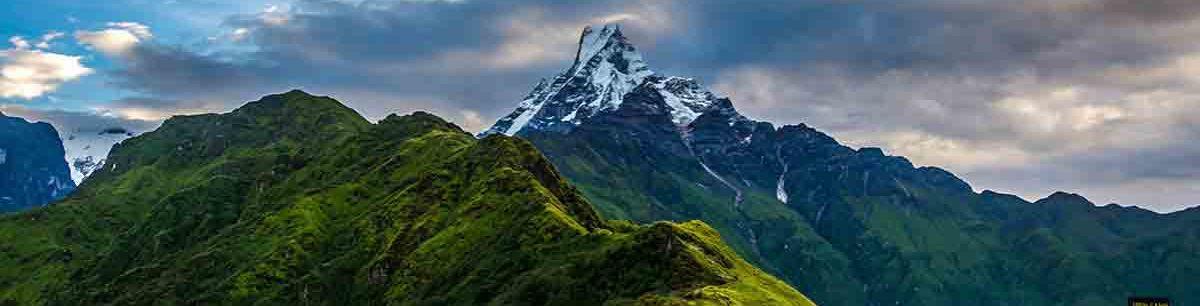
Nepal Wellness Tourism 2027: Government Plans to Build a Global Hub for Yoga, Meditation, and Natural Healing

Nepal Wellness Tourism 2027 is emerging as a transformative national vision, positioning Nepal as a global hub for yoga, meditation, and natural healing. With the government prioritizing wellness tourism and announcing plans for a comprehensive strategy, the country is preparing to redefine its tourism identity beyond mountains and adventure. This ambitious initiative, combined with the declaration of “Wellness Year 2027,” signals Nepal’s commitment to integrating Eastern philosophy, holistic health, and sustainable tourism into a unified global offering.


Introduction: A New Era for Tourism in Nepal

For decades, Nepal has been synonymous with trekking in the Himalayas, spiritual journeys to Lumbini, and cultural exploration in Kathmandu. However, the global tourism landscape is evolving. Travelers today are increasingly seeking meaningful experiences that enhance physical health, mental clarity, and spiritual growth.

Recognizing this shift, the Nepalese government has placed wellness tourism at the forefront of its national development strategy. A dedicated wellness tourism framework is expected to be introduced soon, guiding investments, infrastructure, and global promotion efforts.


What Is Wellness Tourism?

Wellness tourism refers to travel aimed at promoting health and well-being through physical, psychological, and spiritual activities. It includes experiences such as:

  • Yoga retreats
  • Meditation programs
  • Ayurveda and natural healing therapies
  • Detox and spa treatments
  • Spiritual pilgrimages

Globally, wellness tourism is one of the fastest-growing travel sectors, driven by increasing stress levels, lifestyle diseases, and a desire for holistic well-being.

Nepal, with its deep-rooted traditions in spirituality and natural healing, is uniquely positioned to benefit from this trend.


Why Nepal Is Ideal for Wellness Tourism

1. Birthplace of Buddha and Spiritual Heritage

Nepal is the birthplace of Gautama Buddha, making it one of the world’s most significant spiritual destinations. Sites like Lumbini attract pilgrims and seekers from across the globe who are interested in meditation and mindfulness.

2. Rich Tradition of Yoga and Meditation

Yoga and meditation have been practiced in Nepal for centuries, deeply intertwined with Hindu and Buddhist philosophies. From monasteries in the mountains to urban wellness centers, Nepal offers authentic experiences rooted in ancient traditions.

3. Natural Healing Environment

The country’s diverse geography—from the Himalayan peaks to lush jungles—provides a serene and pollution-free environment ideal for healing and rejuvenation. Clean air, fresh water, and tranquil landscapes enhance the effectiveness of wellness practices.

4. Ayurveda and Herbal Medicine

Nepal has a strong tradition of Ayurveda, using natural herbs and holistic treatments to promote health. Many wellness centers offer Ayurvedic therapies, detox programs, and personalized treatments.


Government Vision: Nepal Wellness Year 2027

The government has officially recognized wellness tourism as a key pillar of economic growth and tourism diversification. The declaration of “Nepal Wellness Year 2027” reflects a coordinated effort to:

  • Promote Nepal as a global wellness destination
  • Attract high-value international tourists
  • Develop infrastructure for wellness retreats and healing centers
  • Encourage private sector investment

This initiative is expected to involve multiple agencies working together to create a cohesive brand for Nepal’s wellness tourism sector.


Key Features of the Upcoming Wellness Strategy

1. Integrated Policy Framework

The government plans to introduce a comprehensive wellness tourism strategy within a short timeframe. This policy will outline:

  • Standards for wellness centers
  • Certification systems for practitioners
  • Guidelines for sustainable development

2. Promotion of Eastern Philosophy

Nepal’s wellness tourism will emphasize Eastern philosophies such as:

  • Mindfulness and meditation
  • Spiritual healing
  • Harmony between body and mind

These elements differentiate Nepal from Western wellness destinations that often focus more on luxury spa experiences.

3. Infrastructure Development

To support the growth of wellness tourism, Nepal will invest in:

  • Retreat centers and eco-resorts
  • Wellness spas and Ayurveda clinics
  • Improved transportation and accessibility

4. Global Marketing Campaigns

Nepal will promote itself internationally as a wellness destination through digital campaigns, partnerships, and participation in global tourism events.


International Recognition: April 15 as International Wellness Day

Nepal is also taking steps to gain global recognition for wellness tourism by thanking UN member states for supporting April 15 as International Wellness Day. This move aligns Nepal with global wellness initiatives and strengthens its position on the international stage.

Such recognition will help:

  • Increase global awareness
  • Encourage international collaboration
  • Attract wellness travelers worldwide

Popular Wellness Experiences in Nepal

Yoga Retreats in Pokhara

Pokhara is one of the top destinations for yoga retreats, offering stunning views of the Annapurna range and a peaceful lakeside environment. Many retreats combine yoga with meditation, detox programs, and nature walks.

Meditation in Buddhist Monasteries

Monasteries in regions like Mustang and Solukhumbu provide immersive meditation experiences guided by monks.

Ayurveda and Spa Treatments

Cities like Kathmandu and Pokhara host wellness centers offering traditional Ayurvedic therapies, massages, and holistic healing programs.

Nature-Based Healing

Activities such as forest bathing, trekking, and eco-retreats allow visitors to reconnect with nature and improve mental well-being.


Economic Impact of Wellness Tourism

The development of wellness tourism is expected to bring significant economic benefits to Nepal:

1. Increased Tourist Spending

Wellness tourists typically spend more than average travelers, contributing to higher revenue.

2. Job Creation

The sector will create jobs in:

  • Hospitality
  • Healthcare
  • Wellness services
  • Transportation

3. Rural Development

Many wellness retreats are located in rural areas, promoting local economies and reducing urban migration.

4. Sustainable Tourism Growth

Wellness tourism aligns with sustainable practices, minimizing environmental impact while maximizing economic benefits.


Challenges and Opportunities

Challenges

  • Lack of standardized wellness services
  • Limited international marketing
  • Infrastructure gaps in remote areas

Opportunities

  • Growing global demand for wellness travel
  • Nepal’s authentic cultural and spiritual heritage
  • Government support and policy initiatives

By addressing these challenges, Nepal can unlock its full potential as a leading wellness destination.


Sustainable and Responsible Wellness Tourism

Sustainability will be a core component of Nepal’s wellness tourism strategy. This includes:

  • Eco-friendly accommodations
  • Community-based tourism
  • Conservation of natural resources

Travelers are increasingly choosing destinations that prioritize sustainability, making this approach essential for long-term success.


Future Outlook: Nepal as a Global Wellness Hub

With strong government backing, rich cultural heritage, and natural advantages, Nepal is poised to become a global leader in wellness tourism by 2027.

The integration of yoga, meditation, and natural healing into the tourism sector will not only attract international visitors but also promote a healthier lifestyle among locals.

As the world continues to prioritize well-being, Nepal’s vision aligns perfectly with global trends, offering a unique blend of spirituality, nature, and holistic health.


Conclusion

Nepal Wellness Tourism 2027 represents a bold and forward-thinking initiative to transform the country into a global hub for yoga, meditation, and natural healing. By leveraging its spiritual heritage, natural beauty, and government support, Nepal is set to redefine its tourism industry and create a sustainable, high-value sector.

From the peaceful monasteries of Mustang to the serene lakes of Pokhara, Nepal offers an unmatched environment for wellness and rejuvenation. As the country prepares to celebrate Wellness Year 2027, it invites the world to experience healing, balance, and transformation in one of the most spiritually rich destinations on Earth.

Quick Inquiry Form

10 Best Yoga and Meditation Retreats in Nepal — Complete Guide

Nepal is a soulful place for rest, reflection, and deep practice. If you are searching for the Best Yoga and Meditation Retreats in Nepal, you will find a wide range of options. From Himalayan ashrams tucked into mountain valleys to peaceful centers beside Lakeside Pokhara, Nepal blends nature and tradition in a way few countries can.

This article highlights ten retreats that consistently receive praise for teaching, atmosphere, and value. It also gives practical tips on how to choose the right program, what to pack, and when to go.


How I picked the Best Yoga and Meditation Retreats in Nepal

I considered teaching quality, location, retreat length options, accommodation standards, and practitioner reviews. I looked for retreats offering clear schedules and experienced teachers. Sustainable and ethical practices matter too. Finally, I chose centers that welcome different levels — beginners, intermediate, and advanced students.


Quick comparison (what to expect)

  • Location: Himalayan valleys, lakeside towns, and hilltop sanctuaries.
  • Typical program length: 3 days to 21+ days.
  • Styles: Hatha, Vinyasa, Yin, Nidra, Vipassana, mindfulness, and integrated silent retreats.
  • Extras: Treks, local culture tours, Ayurveda, and massage.

The 10 Best Yoga and Meditation Retreats in Nepal

Below are the ten retreats, listed in alphabetical order. Each entry includes a short summary, who it suits, typical program lengths, and what makes it special.

Annapurna Yoga & Wellness Retreat (Pokhara area)

Why choose this retreat: Set near Lakeside Pokhara, this center blends scenic calm with strong teaching. Mornings often start with gentle yoga and pranayama. Evenings focus on meditation and reflection.

Who it suits: Beginners, couples, and travelers looking for a lakeside base with yoga classes.

Length & offerings: Weekend retreats to 10-day packages. Optional Ayurvedic massage and short hikes.

Standout features: Beautiful views of the Annapurnas, professional teachers, and easy access to Pokhara’s cafés and lakeside life.

Himalayan Mindfulness Ashram (Langtang or nearer Kathmandu hills)

Why choose this retreat: If you want a raw retreat experience, this ashram provides simple living and long silent sits. It leans heavily toward mindfulness and Vipassana-style meditation.

Who it suits: Serious meditators and those wanting a silent retreat.

Length & offerings: 7 to 21 days; intensive meditation, simple vegetarian meals, and communal practice.

Standout features: Close contact with senior teachers and extended silent periods. The mountain energy is tangible.

Kora Yoga Sanctuary (near Pokhara / hilltop)

Why choose this retreat: Kora offers blended programs that mix yoga, breathwork, and walking meditation. The location is peaceful and slightly off the beaten track.

Who it suits: Mid-level practitioners and those interested in combining movement with contemplative practice.

Length & offerings: 5–14 day programs. Optional guided treks and evening mantra sessions.

Standout features: Excellent balance of activity and rest. Friendly staff and small group sizes.

Lumbini Retreat Center (Lumbini — birthplace of Buddha)

Why choose this retreat: Lumbini’s spiritual history gives a strong meditative atmosphere. Retreats here often include insight meditation and teachings on Buddhist practice.

Who it suits: Students interested in Buddhist meditation, mindfulness, and contemplative history.

Length & offerings: Short retreats of 3–7 days up to longer residential courses. Often paired with local site visits.

Standout features: Unique cultural and spiritual setting. A chance to practice where Buddhism began.

Mountain Heart Yoga (Upper Mustang / Annapurna foothills)

Why choose this retreat: For dramatic desert-mountain scenery and solitude. The teaching style is grounded and practical.

Who it suits: Experienced yogis and adventurous travelers who want a retreat that includes light trekking.

Length & offerings: 7–14 days, combining asana, pranayama, and guided walks.

Standout features: Remote location, small groups, and immersive nature time.

Namaste Yoga Village (Kathmandu Valley)

Why choose this retreat: Located close to Kathmandu, this center offers urban convenience and deep practice. It is ideal for short stays or for visitors who want a retreat before or after trekking.

Who it suits: Travelers with limited time, and city visitors seeking daily practice.

Length & offerings: Weekend workshops to two-week retreats. Teacher training options often available.

Standout features: Strong teacher training programs and convenient access to cultural sites.

Poon Hill Silent Meditation Week (Ghorepani / Annapurna Circuit fringe)

Why choose this retreat: Combine classic Himalayan trekking scenery and silent meditation. This program integrates walking meditation into a short trekking route.

Who it suits: Those who love nature walks and want a silent, contemplative week.

Length & offerings: Typically 7 days. Includes Poon Hill sunrise, guided sits, and simple lodgings.

Standout features: Sunrise views, village hospitality, and a rhythm that alternates walking with sitting.

Rims Yoga & Ayurveda Sanctuary (near Pokhara)

Why choose this retreat: Rims mixes therapeutic yoga with Ayurvedic consultations. Programs are personalized and healing-focused.

Who it suits: People seeking restorative practice, healing from stress, or post-injury gentle yoga.

Length & offerings: 5–14 days, with tailored Ayurvedic plans and therapies.

Standout features: Personalized health plans, quality therapists, and calm lakeside settings.

Swami Sadhana Center (Kathmandu foothills)

Why choose this retreat: A traditional yogic environment with strong emphasis on classic practices. Teaching blends philosophy, breathwork, and asana.

Who it suits: Students of classical yoga and those who want scriptural context for their practice.

Length & offerings: 7–21 days. Options for private instruction and study groups.

Standout features: Deep dive into yoga philosophy, chanting, and disciplined schedules.

Yogi’s Nest — Forest Meditation Retreat (Chitwan hills)

Why choose this retreat: Quiet forested hills, bird song, and a gentle, slow pace. Ideal for resetting the nervous system.

Who it suits: Nature lovers, restorative seekers, and people wanting to unplug.

Length & offerings: Short resets (3–5 days) and longer retreats (7–10 days). Forest walks, guided meditations, and silence options.

Standout features: Strong focus on nature-based mindfulness and eco-friendly accommodation.


How to choose the right retreat among the Best Yoga and Meditation Retreats in Nepal

  1. Decide your goal. Are you after relaxation, skills, deep silent practice, or a teacher training certificate? Pick a retreat that matches that goal.
  2. Choose a length that fits your life. Weekends can restart your rhythm. Two weeks allow deeper change.
  3. Check teacher qualifications. Experience matters. Look for clear bios and training details.
  4. Look at reviews. Recent participant reviews tell you about authenticity and logistics.
  5. Consider location and altitude. High-altitude retreats require more acclimatization.
  6. Ask about food and dietary needs. Most retreats serve simple vegetarian food. Confirm if you need special meals.
  7. Find out what’s included. Transfers, day trips, or extra therapies may not be included in the base price.

Practical tips before you go

  • Pack light but smart: Comfortable layers, a light yoga mat (if you prefer your own), a water bottle, and sturdy walking shoes.
  • Bring a journal: Many participants find journaling useful after meditation sits.
  • Respect local customs: Especially in monastic settings. Modest dress and quiet behavior are often required.
  • Plan travel time: Roads can be slow. Factor in buffer days.
  • Get travel insurance: Include coverage for high-altitude trekking if your retreat includes walks.

Sample 7-day retreat schedule (typical)

  • Morning: Gentle asana, pranayama, and meditation.
  • Midday: Healthy vegetarian lunch and rest.
  • Afternoon: Workshop or gentle pranayama and study session.
  • Evening: Silent sit, mantra, or guided relaxation.
  • Free time: Walking, journaling, or therapy sessions.

Costs and best seasons

Costs vary widely. Expect budget options and premium packages. A basic 3-day retreat may start low. Two-week immersive programs with therapies and accommodation cost more.

Best seasons: Spring (March–May) and autumn (September–November) offer stable weather and clear mountain views. Monsoon (June–August) is quiet and green but can bring travel delays. Winter (December–February) is cold in the hills, but lower-altitude centers remain comfortable.


Safety and health

If you have health concerns, consult your doctor before booking. Be honest about injuries and chronic conditions. Inform the center about medication and dietary needs.


Conclusion — Make your practice your guide

Choosing one of the Best Yoga and Meditation Retreats in Nepal can be a life-enhancing decision. Whether you crave silent meditation in a Himalayan valley, restorative Ayurvedic care in Pokhara, or a blended yoga-and-trek experience, Nepal offers welcoming options. Use the tips in this guide to match a retreat to your goals, and plan well so you can relax into practice.