
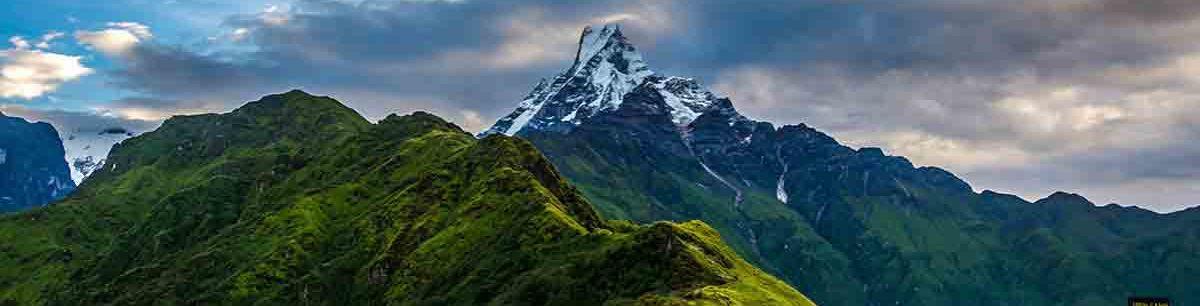

Trekking in the Himalayas is one of the most extraordinary travel experiences in the world. Towering snow-capped peaks, ancient mountain villages, breathtaking valleys, and diverse cultures attract thousands of adventure seekers every year. However, while the beauty of the Himalayan region is unmatched, trekkers must also understand the trekking risks in the Himalayas before planning their journey.
From unpredictable weather conditions to altitude sickness and remote terrain, trekking in this region requires careful planning, proper training, and awareness of potential hazards. A well-prepared trekker can enjoy the adventure safely while minimizing risks. This comprehensive guide explains the major trekking risks in the Himalayas and provides professional risk management strategies to ensure a safe and memorable trekking experience.
Why Understanding Trekking Risks in the Himalayas Is Important
The Himalayan mountain range stretches across several countries including Nepal, India, Bhutan, Tibet (China), and Pakistan. Many trekking routes pass through remote areas where medical facilities, transportation, and communication networks are limited.
Understanding trekking risks in the Himalayas is essential for several reasons:
- Ensures safety in high-altitude environments
- Helps trekkers prepare physically and mentally
- Reduces chances of accidents or health emergencies
- Improves decision-making during challenging conditions
Even experienced hikers can face difficulties in the Himalayas due to the region’s extreme altitude and weather conditions. Therefore, proper risk awareness is the first step toward a safe adventure.
Major Trekking Risks in the Himalayas
Although trekking is generally safe with proper preparation, certain risks are common in the Himalayan environment. Being aware of these risks allows trekkers to take preventive measures.
Altitude Sickness
Altitude sickness, also known as Acute Mountain Sickness (AMS), is one of the most significant risks in Himalayan trekking. As trekkers ascend to higher elevations, the oxygen level decreases, which can cause various health problems.
Common symptoms include:
- Headaches
- Nausea or vomiting
- Dizziness
- Fatigue
- Difficulty sleeping
- Loss of appetite
Severe forms of altitude sickness include High Altitude Pulmonary Edema (HAPE) and High Altitude Cerebral Edema (HACE), both of which require immediate medical attention.
Risk Management Tips
- Ascend gradually and follow the “climb high, sleep low” principle
- Take regular acclimatization days
- Drink plenty of water
- Avoid alcohol and smoking
- Descend immediately if symptoms worsen
Proper acclimatization significantly reduces the risk of altitude sickness during Himalayan treks.
Unpredictable Weather Conditions
Weather in the Himalayas can change dramatically within a short time. A clear morning can quickly turn into heavy snowfall, rain, or strong winds. Such sudden weather changes are common, particularly at higher altitudes.
Potential weather-related risks include:
- Hypothermia
- Snowstorms
- Reduced visibility
- Slippery trails
- Cold-related illnesses
Risk Management Tips
- Always check weather forecasts before starting a trek
- Carry proper clothing layers
- Avoid trekking during extreme weather conditions
- Start trekking early in the morning
- Always carry emergency gear
Planning your trek during the spring (March–May) or autumn (September–November) seasons can reduce weather-related risks.
Difficult Terrain and Trail Conditions
Himalayan trekking routes often include steep climbs, narrow trails, rocky terrain, and high mountain passes. Some trails also cross suspension bridges, glaciers, or landslide-prone areas.
Trekkers may face:
- Slips and falls
- Loose rocks
- Steep descents
- River crossings
- Snow-covered paths
These conditions require good balance, stamina, and proper trekking techniques.
Risk Management Tips
- Use trekking poles for stability
- Wear high-quality trekking boots
- Walk at a steady pace
- Avoid rushing on steep or slippery trails
- Hire experienced local guides when trekking in unfamiliar regions
Careful navigation and proper equipment can greatly reduce accidents on Himalayan trails.
Remote Locations and Limited Medical Facilities
Many Himalayan trekking routes pass through isolated villages where modern healthcare facilities are limited. In case of serious illness or injury, evacuation may require helicopter rescue, which can be expensive.
Common issues include:
- Delayed medical assistance
- Limited pharmacies
- Lack of advanced treatment facilities
Risk Management Tips
- Purchase comprehensive travel insurance covering helicopter evacuation
- Carry a personal first aid kit
- Trek with experienced guides or trekking agencies
- Inform someone about your trekking itinerary
Being prepared for emergencies is crucial when trekking in remote mountain areas.
Physical Exhaustion and Fatigue
Trekking in the Himalayas demands high physical endurance. Long walking hours, steep ascents, heavy backpacks, and high altitude can lead to exhaustion.
Physical fatigue may increase the risk of:
- Injuries
- Poor decision-making
- Dehydration
- Reduced stamina
Risk Management Tips
- Train before your trek with hiking or cardio exercises
- Maintain a steady walking pace
- Take regular rest breaks
- Eat nutritious meals and stay hydrated
Proper physical preparation helps trekkers maintain energy levels throughout the journey.
Navigation and Getting Lost
While many popular trekking routes are well-marked, some remote trails can be confusing, especially during fog, snowfall, or landslides.
Trekkers may face risks such as:
- Losing the main trail
- Poor visibility during storms
- Incorrect route decisions
Risk Management Tips
- Carry offline maps or GPS devices
- Use reliable trekking guidebooks
- Trek with experienced guides
- Avoid trekking alone in remote regions
Navigation awareness plays an important role in reducing trekking risks in the Himalayas.
Landslides and Natural Hazards
Certain Himalayan regions are prone to landslides, avalanches, and rockfalls. These natural hazards are often triggered by heavy rain, earthquakes, or melting snow.
Trekkers should remain cautious when passing through:
- Steep slopes
- Narrow mountain trails
- Landslide-prone valleys
- Glacier zones
Risk Management Tips
- Follow local guide instructions
- Avoid trekking during monsoon season
- Move quickly but carefully through landslide zones
- Stay updated on local conditions
Understanding regional hazards can help trekkers make safer route choices.
Essential Trekking Safety Equipment
Having the right gear is critical for minimizing trekking risks in the Himalayas. Proper equipment ensures comfort, safety, and preparedness for emergencies.
Important trekking gear includes:
- Waterproof trekking boots
- Thermal clothing layers
- Down jacket
- Sleeping bag for cold temperatures
- Trekking poles
- Headlamp or flashlight
- First aid kit
- Water purification tablets
- GPS or offline map applications
- Emergency whistle
Investing in quality trekking gear can make a significant difference in safety and comfort during high-altitude adventures.
The Role of Professional Guides and Porters
Hiring professional trekking guides and porters is strongly recommended for Himalayan expeditions. Local guides have extensive knowledge of the terrain, weather patterns, and emergency procedures.
Benefits of trekking with guides include:
- Better route navigation
- Cultural insights and local knowledge
- Faster emergency response
- Assistance with logistics and accommodations
Professional guides also monitor trekkers for symptoms of altitude sickness and help maintain a safe trekking pace.
Best Seasons for Safe Himalayan Trekking
Choosing the right trekking season is one of the most effective ways to reduce trekking risks in the Himalayas.
Spring (March–May)
Spring is one of the best seasons for trekking due to:
- Mild temperatures
- Clear mountain views
- Blooming rhododendron forests
- Stable weather conditions
Autumn (September–November)
Autumn is another popular trekking season because:
- Skies are generally clear
- Trails are dry and stable
- Mountain visibility is excellent
Seasons to Avoid
- Monsoon (June–August): heavy rain, landslides, slippery trails
- Winter (December–February): extreme cold and heavy snowfall in high passes
Selecting the right season significantly improves safety and trekking enjoyment.
Mental Preparation and Responsible Trekking
Physical preparation is important, but mental readiness also plays a crucial role in safe trekking. High-altitude journeys can be mentally challenging due to long walking days, cold temperatures, and unpredictable conditions.
Responsible trekking practices include:
- Respecting local culture and traditions
- Avoiding environmental damage
- Following “Leave No Trace” principles
- Supporting local communities
A responsible mindset enhances both safety and sustainability in the Himalayas.
Emergency Preparedness in the Himalayas
Even with careful planning, emergencies can occur during trekking. Knowing how to respond quickly can save lives.
Essential emergency preparation includes:
- Learning basic first aid skills
- Carrying emergency contacts
- Using satellite communication devices in remote regions
- Having evacuation insurance coverage
Many trekking companies also provide satellite phones and emergency response systems for remote expeditions.
Conclusion
Trekking in the Himalayas offers breathtaking scenery, cultural encounters, and unforgettable adventure. However, the region’s extreme altitude, challenging terrain, and unpredictable weather conditions make it essential to understand the trekking risks in the Himalayas.
By preparing properly, choosing the right season, hiring experienced guides, and following professional risk management strategies, trekkers can safely explore some of the world’s most spectacular mountain landscapes.
Awareness, preparation, and responsible decision-making are the keys to minimizing risks and maximizing the rewards of Himalayan trekking. With the right approach, your journey through these majestic mountains can become a safe, inspiring, and life-changing experience.