
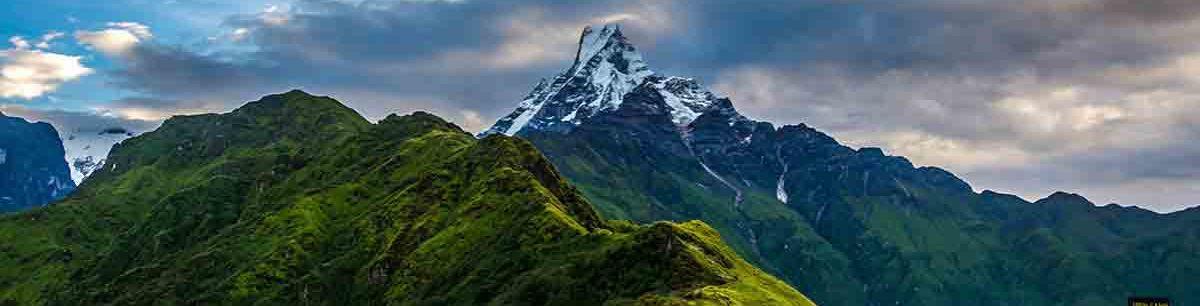

Choosing the right trek in Nepal can make the difference between a memorable adventure and an uncomfortable journey. With its diverse landscapes, from lush valleys to towering Himalayan peaks, Nepal offers treks for every level of experience and interest. However, with so many options available, it’s important to carefully evaluate several factors to ensure your trekking experience matches your goals, fitness level, and expectations.
In this comprehensive guide, we will explore the key factors to consider when choosing a trek in Nepal, including difficulty levels, seasonal conditions, trekking routes, accommodation options, cultural experiences, and more. By understanding these essential points, you can select a trek that perfectly fits your needs and ensures a safe and enjoyable journey.
Understanding Trekking Difficulty: A Key Factor When Choosing a Trek in Nepal
The first and most important factor to consider when choosing a trek in Nepal is trekking difficulty. Nepal offers everything from short and easy walks through scenic villages to challenging high-altitude expeditions that demand excellent fitness and prior experience.
- Easy Treks: Ideal for beginners and families. These treks usually last a few days and involve walking on well-marked trails at lower altitudes (below 3,000 meters). Examples include the Ghorepani Poon Hill Trek and Langtang Valley Trek.
- Moderate Treks: Suitable for those with a good level of fitness. Moderate treks involve 5–7 hours of daily walking at altitudes up to 4,000 meters. The Annapurna Base Camp Trek and Everest View Trek are popular moderate options.
- Strenuous Treks: Designed for experienced trekkers. These involve long walking days, steep ascents, and high altitudes, often above 5,000 meters. Treks like Everest Base Camp, Manaslu Circuit, and Three Passes Trek fall into this category.
Assess your physical fitness honestly. If you overestimate your capabilities, you may struggle with altitude sickness or fatigue. Conversely, if you choose a trek that’s too easy, you might not feel fully challenged.
Considering Trekking Seasons When Choosing a Trek in Nepal
Seasonal conditions play a huge role in determining which trek is right for you. The best time for trekking in Nepal typically depends on weather, visibility, and trail accessibility.
Spring (March to May)
Spring is one of the best times for trekking. The weather is warm and stable, with clear skies and blooming rhododendrons that make trails scenic. It’s ideal for treks like Everest Base Camp, Annapurna Circuit, and Langtang Valley.
Autumn (September to November)
Autumn is the peak trekking season in Nepal. The monsoon rains have cleared the air, offering exceptional mountain views and comfortable temperatures. This season attracts the most trekkers, so popular routes can be crowded.
Winter (December to February)
Winter brings colder temperatures, especially at higher altitudes. Lower altitude treks remain accessible, but high mountain passes may be blocked by snow. Treks like Ghorepani Poon Hill and Helambu are excellent winter options.
Monsoon (June to August)
Monsoon season brings heavy rain, landslides, and leeches on some trails. However, it’s also the least crowded season. Certain rain-shadow regions, like Upper Mustang and Dolpo, remain dry and are ideal for trekking during this period.
Choosing the right season ensures better weather, safer trails, and more enjoyable scenery — all crucial factors when choosing a trek in Nepal.
Evaluating Trek Duration and Itinerary When Choosing a Trek in Nepal
The length of the trek is another important consideration. Trek durations in Nepal range from 2-3 days to over a month. Your available time, fitness, and acclimatization needs should shape your choice.
- Short Treks (2–7 days): Perfect for those on tight schedules or new to trekking. Treks like Nagarkot, Ghorepani Poon Hill, or Langtang Valley fit within a week.
- Medium Treks (8–14 days): These treks offer a deeper experience and often reach famous base camps, such as Annapurna Base Camp or Everest Base Camp (short version).
- Long Treks (15+ days): For experienced trekkers or those with more time. Treks like the Manaslu Circuit, Upper Mustang, and Everest Three Passes provide extensive adventure and cultural immersion.
Remember to include acclimatization days in your itinerary, especially for high-altitude treks, to reduce the risk of altitude sickness.
Choosing Trekking Regions and Routes in Nepal
Nepal has several distinct trekking regions, each with its unique landscapes, culture, and levels of development. When choosing a trek in Nepal, understanding the characteristics of each region helps narrow down your options.
Everest Region
The most famous trekking region, home to Mount Everest and iconic routes like the Everest Base Camp Trek. Known for breathtaking views, Sherpa culture, and well-developed infrastructure. It can be crowded during peak season.
Annapurna Region
Renowned for diverse scenery — from subtropical forests to alpine terrain. Popular treks include the Annapurna Circuit, Annapurna Base Camp, and Mardi Himal. This region offers excellent tea houses and is easily accessible from Pokhara.
Langtang Region
Closer to Kathmandu, this region offers a quieter trekking experience. The Langtang Valley Trek combines beautiful landscapes with Tamang cultural experiences. It’s less commercialized than Everest or Annapurna.
Manaslu and Restricted Areas
For experienced trekkers seeking off-the-beaten-path adventures, the Manaslu Circuit, Upper Mustang, and Dolpo provide remote, culturally rich experiences. These treks often require special permits and guided support.
Considering Altitude and Acclimatization When Choosing a Trek in Nepal
Altitude is one of the most critical factors when choosing a trek in Nepal. Many popular routes go above 3,000 meters, where the risk of Acute Mountain Sickness (AMS) increases. Understanding how altitude affects the body helps you plan better.
- Above 3,000 m: Mild symptoms like headaches and fatigue are common.
- Above 4,000 m: Proper acclimatization days become essential.
- Above 5,000 m: Only experienced trekkers with good fitness should attempt these altitudes.
A well-designed itinerary with gradual ascent and rest days minimizes health risks. Don’t rush your trek — it’s better to enjoy the journey than face altitude-related emergencies.
Accommodation and Facilities: Important Factors When Choosing a Trek in Nepal
Accommodation and available facilities vary significantly between trekking regions and routes.
- Tea House Treks: Most popular routes, like Everest and Annapurna, offer tea houses with basic but comfortable rooms, hot meals, and sometimes Wi-Fi.
- Camping Treks: In remote regions such as Dolpo or Upper Mustang, camping treks are the only option. These require more logistics, support staff, and equipment.
- Luxury Treks: Some areas offer upgraded lodges with private bathrooms, heating, and fine dining. Luxury Everest Base Camp treks are a good example.
Consider your comfort preferences, budget, and willingness to embrace rustic conditions when selecting your trek.
Cultural Experiences and Personal Interests When Choosing a Trek in Nepal
Trekking in Nepal is not just about mountains — it’s also about cultural immersion. Each trekking region offers unique traditions, festivals, and ways of life.
- Everest Region: Sherpa culture, monasteries, and Buddhist festivals.
- Annapurna Region: Gurung and Magar villages, warm hospitality, and local farming lifestyles.
- Langtang: Tamang culture and traditional villages.
- Upper Mustang and Dolpo: Ancient Tibetan-influenced culture, preserved monasteries, and remote desert landscapes.
If cultural experiences matter to you, choose a trek that allows you to spend time in local communities rather than just focusing on high mountain passes.
Budget and Permit Requirements When Choosing a Trek in Nepal
Your budget plays a vital role in choosing a trek. Costs depend on region, duration, accommodation type, and whether you hire guides or porters.
- Permits: Most treks require a TIMS card (Trekkers’ Information Management System) and national park or conservation area entry permits. Restricted regions like Upper Mustang and Dolpo require special permits and can be more expensive.
- Daily Costs: Expect $30–$60 per day for standard tea house treks, excluding flights or guide fees. Luxury treks or remote camping treks can cost significantly more.
- Guides and Porters: Hiring a guide enhances safety and cultural understanding, while porters help reduce physical strain. Guided treks cost more but offer peace of mind.
Budgeting correctly ensures you don’t face unexpected expenses during your trek.
Safety and Logistics: Final Considerations When Choosing a Trek in Nepal
Safety should always be your top priority. Before finalizing your trek, consider:
- Travel Insurance: Ensure it covers high-altitude trekking and helicopter evacuation.
- Experienced Operators: Choose licensed trekking companies with good reviews.
- Emergency Plans: Know the nearest evacuation points and communication methods.
- Physical Preparation: Start training weeks before your trek with cardio, strength, and endurance exercises.
Proper preparation helps you handle unexpected situations confidently.
Conclusion: Choose the Right Trek in Nepal for an Unforgettable Adventure
There is no one-size-fits-all trek in Nepal. The factors to consider when choosing a trek in Nepal include difficulty level, trekking season, duration, region, altitude, cultural experiences, accommodation, budget, and safety. By carefully evaluating these elements, you can select a trek that aligns with your goals, ensuring a rewarding and unforgettable Himalayan adventure.
Whether you dream of standing at the foot of Mount Everest, exploring remote valleys, or immersing yourself in local culture, Nepal has a trek for you. Choose wisely, prepare well, and get ready to create memories that last a lifetime.
