Life Along the Road: Stories from Nepal’s Remote Roadside Villages

Nestled within the steep folds of the Himalayas, Nepal’s roadside villages offer far more than mere places of rest for weary trekkers; they are living chapters of history, culture, and serenity that define the essence of this mystical kingdom. Each village along Nepal’s trekking routes acts as a vibrant waypoint, where the natural beauty of soaring peaks and lush landscapes converges with the warmth of local traditions and stories passed down through generations. This article journeys through these roadside villages, reflecting on their unique characters, the lives of their inhabitants, and the meaningful experiences they gift travelers.

1.The Soul of Nepal: Life in Roadside Villages

Roadside villages in Nepal are often remote hamlets perched on narrow mountain ledges or tucked within lush valleys accessible by winding trails and rough roads. Rather than mere transit points, they embody the lifestyle of ethnic groups such as the Gurung, Tamang, Sherpa, and Magar, among others, offering visitors a glimpse into the authentic mountain way of life.

For instance, the villages along the Annapurna Circuit—such as Landruk, Dhampus, and Pothana—are home to tight-knit Gurung communities. These settlements are characterized by traditional stone houses, terraced farmlands, and community teahouses that serve as social hubs for both locals and travelers. Here, the rhythms of daily life revolve around agriculture, livestock, and seasonal festivals, with locals often welcoming trekkers like guests of honor. Such hospitality allows visitors to immerse themselves in age-old customs, from participating in local dances to sampling homemade dishes crafted from organic produce.

Similarly, in the Langtang Valley and Gosainkunda region, predominantly inhabited by Tamang and Sherpa communities, trekkers encounter a blend of spirituality and resilience. The village of Kyanjin Gompa, nestled at over 3,800 meters, is famed for its ancient Buddhist monastery and stunning views of glacial peaks. These villages exemplify harmonious coexistence with nature and spiritual devotion, reflected in prayer flags fluttering against the crisp mountain air and locals’ gentle smiles.

2. Rest Stops as Cultural Crossroads

Each roadside village serves as a cultural crossroads where stories and traditions mingle with the coming and going of adventurers from around the globe. These villages are more than just geographical rest stops; they are vibrant stages where cultural exchange unfolds naturally.

Take Bandipur, a hilltop village overlooking the Marsyandi River, often hailed as an undiscovered gem by travelers taking the highway between Pokhara and Kathmandu. Its preserved Newari architecture, bustling bazaars, and panoramic mountain views offer a rich tapestry of Nepali history and daily life. Trekkers resting here find themselves drawn into storytelling sessions over cups of local tea or invited to witness traditional festivals, turning a brief stop into a memorable cultural immersion.

In far-flung destinations like the Ruby Valley, situated between Langtang National Park and Manaslu Conservation Area, the blend of cultural heritage and breathtaking landscapes is even more intimate. Trekking here is punctuated by homestays that replace hotels, allowing travelers to live alongside local families, partake in their meals, and gain firsthand insight into village routines and Himalayan ecology.

3. Nature and Scenery: An Everlasting Backdrop

The natural beauty surrounding Nepal’s roadside villages enhances the allure of these stops. Trekkers often describe how moments of rest become opportunities to absorb spectacular mountain vistas, alpine forests filled with rhododendrons and magnolias, and serene rivers running alongside dirt paths.

For example, during a trek from Pokhara to villages like Dhampus and Landruk, hikers ascend through rhododendron forests that burst into bloom in spring, before reaching villages perched to afford commanding views of the Annapurna and Lamjung Himal ranges. This natural splendor, combined with the warmth of local hospitality, recharges the spirit as effectively as any rest.

Similar experiences await those on the Ganesh Himal village trek, where the pristine mountain environment mingles with vibrant rhododendron groves and conifer forests. The juxtaposition of fresh pine air, panoramic peaks named after Hindu deities, and the simplicity of village life creates a unique harmony treasured by nature lovers and cultural explorers alike.

4. Stories Behind the Stops: Human Tales of Nepal’s Roadside Villages

The true magic of Nepal’s roadside villages lies in the stories of their people—tales of endurance, joy, tradition, and transformation that travelers carry with them long after leaving the mountain trails.

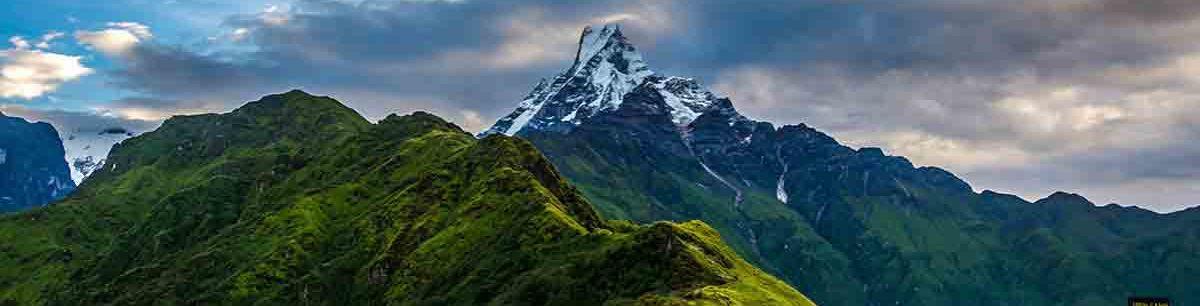
One poignant narrative is that of Ghale Gaun in the Lamjung district, a Gurung village located atop a hill with striking views of multiple Himalayan giants including Machhapuchhre (Fishtail). Villagers here preserve their cultural heritage through dance, music, and craftsmanship. Many trekkers recount heartfelt interactions with families whose lifestyles beautifully preserve the balance between modernity and tradition.

Other stories emerge from smaller hamlets like Balthali, near Kathmandu. Though relatively small, Balthali captivates visitors through its color-changing rhododendron forests, local monasteries, and views of the Manaslu range. Locals here recount histories of religious devotion tied to sacred stones known as Shaligrams, blending nature spirituality with everyday life.

During evening rests or midday breaks, these villages transform into venues for storytelling—where anxious climbers find comfort, and curious tourists become part of a shared human experience woven into the Himalayan fabric.

5. Practical Reflections: Tips for Enjoying Nepal’s Roadside Villages

For travelers eager to delve deep into Nepal’s roadside village culture, some practical insights can enhance the experience:

  • Choose homestays when possible: Staying with local families invites richer cultural exchange and supports sustainable tourism.
  • Interact respectfully: Though welcoming, locals appreciate when visitors show genuine interest in their customs and lifestyles.
  • Travel light and prepared: Many villages remain remote, so be equipped with essentials and supportive footwear for uneven paths.
  • Learn basic Nepali greetings: Simple phrases foster goodwill and open doors to friendships.
  • Support local artisans: Purchasing handmade crafts or local produce benefits communities economically and preserves traditions.

Conclusion: More Than a Rest Stop

Nepal’s roadside villages stand as living monuments to the country’s extraordinary cultural diversity and natural grandeur. Far beyond mere waypoints on trekking routes, they are intimate spaces of connection between mountain peoples and the world. Travelers who pause here gain more than rest—they gather stories, friendships, and unforgettable insights into the Himalayan way of life that linger as lasting reflections.

In every stone house, every shared meal, and every glance at snow-capped peaks, these villages embody the very soul of Nepal’s mountains. For adventurers seeking more than just the summit, stopping to absorb the essence of these roadside havens is a journey equally rewarding.

Nepal Cultural Tour in Autumn: Temples, Rituals, and Colorful Celebrations

Nepal, nestled in the lap of the Himalayas, is a treasure trove of cultural heritage, sacred rituals, ancient temples, and colorful festivals. While the country’s towering peaks draw trekkers and mountaineers from around the globe, its soul lies in its deep-rooted traditions and spiritual vibrance.

If you’re seeking a journey that goes beyond landscapes to explore Nepal’s heart and heritage, there is no better time to visit than autumn (September to November). Not only is this the season of clear skies and pleasant weather, but it also hosts the biggest and most meaningful festivals in Nepali culture, making it a perfect time for a cultural tour.

In this article, we guide you through Nepal’s cultural highlights in autumn, exploring vibrant celebrations, ancient temples, and time-honored traditions that come alive during this sacred season.


Why Autumn is Ideal for Cultural Travel in Nepal

Autumn in Nepal brings more than just favorable weather and scenic beauty; it marks the spiritual and cultural high point of the year. Key reasons to plan a cultural tour during this time include:

  • Major festivals: Dashain and Tihar, Nepal’s biggest religious festivals, fall in this season.
  • Pleasant climate: Clear skies and cool temperatures make it ideal for sightseeing and walking tours.
  • Harvest season: Rural life is vibrant with music, rituals, and community gatherings.
  • Temples and towns come alive: Pilgrimage sites and cities are illuminated and adorned with flowers, lights, and offerings.

Dashain: The Festival of Victory and Blessings

 When: Late September to mid-October (dates vary by lunar calendar)

 Duration: 15 days

 Significance: Victory of good over evil, family reunions, blessings from elders

Dashain is Nepal’s most important and widely celebrated festival. It commemorates the victory of the Hindu goddess Durga over the demon Mahishasura, symbolizing the triumph of good over evil.

During Dashain:

  • Families clean and decorate their homes.
  • Elaborate rituals are performed in temples and homes.
  • People return to their ancestral homes to receive “tika” (a mixture of yogurt, rice, and vermillion) and jamara (sacred barley shoots) from elders.
  • Kite flying, animal sacrifices, and traditional feasting mark the celebrations.

 Cultural Hotspots:

  • Hanuman Dhoka Durbar Square (Kathmandu): The royal Dashain festival is performed here, especially at Kumari Ghar, home of the Living Goddess.
  • Gorkha Durbar: Historically significant as the home of King Prithvi Narayan Shah, it’s a powerful Dashain pilgrimage site.

Tihar: The Festival of Lights and Brotherhood

 When: October or early November (5 days after Dashain)

 Duration: 5 days

 Significance: Honoring animals, wealth, and relationships; similar to Diwali in India

Known as the festival of lights, Tihar is perhaps the most colorful festival in Nepal. Each day is dedicated to a different element of life:

  • Day 1 (Kaag Tihar): Crows are fed as messengers of the underworld.
  • Day 2 (Kukur Tihar): Dogs are honored for loyalty and protection.
  • Day 3 (Gai Tihar & Laxmi Puja): Cows are worshipped, and homes are lit up to invite Goddess Laxmi, deity of wealth.
  • Day 4 (Govardhan Puja or Mha Puja): Oxen are venerated; Newars perform rituals for inner purification.
  • Day 5 (Bhai Tika): Sisters bless their brothers with tika, garlands, and sweets.

Tihar transforms cities into a realm of lights, music, and devotion. Streets and homes are adorned with oil lamps (diyas), candles, and colorful rangoli designs.

 Cultural Highlight: Deusi-Bhailo, a traditional form of group singing and dancing performed by children and youths, fills neighborhoods with joy.


Indra Jatra: The Living Goddess and Ancient Rituals

When: September (based on lunar calendar)

 Location: Kathmandu Durbar Square

 Significance: Honoring Lord Indra, god of rain and heaven

Indra Jatra is the biggest street festival in Kathmandu, known for its dramatic rituals, mask dances, and chariot processions. A central feature is the Kumari Jatra, where the Kumari, Nepal’s Living Goddess, is paraded through the city on a wooden chariot.

 Highlights:

  • Lakhey dances: Masked demons dance through the streets to ward off evil spirits.
  • Raising of the Yosin pole: A ceremonial pole is erected to mark the beginning of the festival.
  • Bhairab masks: Large masks of Bhairab (Shiva’s fierce form) are displayed and offer sacred alcohol to devotees.

Indra Jatra is a unique blend of Hindu and Buddhist traditions and gives visitors a rare chance to witness Nepal’s Living Deity in a public setting.


Temples to Visit During Autumn

Autumn is the perfect time to explore Nepal’s temples, which become spiritual and social hubs during festival season.

 Pashupatinath Temple (Kathmandu)

  • One of the holiest Hindu temples dedicated to Lord Shiva.
  • Located on the banks of the Bagmati River.
  • Witness evening aarati ceremonies, with music, fire, and chanting.

 Swayambhunath (Monkey Temple)

  • A UNESCO World Heritage Site and one of the oldest stupas in Nepal.
  • Offers panoramic views of Kathmandu Valley.
  • Blend of Hindu and Buddhist symbolism.

 Boudhanath Stupa

  • The largest stupa in Nepal and a focal point of Tibetan Buddhism.
  • Monks in maroon robes chant prayers while pilgrims walk around the stupa spinning prayer wheels.
  • Especially active during Lhabab Duchen (Buddha’s descent from heaven), often celebrated in autumn.

 Manakamana Temple (Gorkha)

  • A sacred wish-fulfilling goddess temple accessible by cable car.
  • Autumn offers clear views of the Himalayas during the journey.

Traditional Art, Music & Dance

Autumn is not just a time of prayer but also one of performance. During festivals, towns and villages host traditional music and dances passed down for generations.

 Key Traditions:

  • Lakhey dance: Performed by masked dancers during Indra Jatra.
  • Newar bhajan and dapa groups: Chant devotional music in Kathmandu Valley neighborhoods.
  • Deusi and Bhailo songs: Sung during Tihar by groups collecting blessings and donations.

 Local Crafts:

Visit traditional artisans in Bhaktapur and Patan to witness:

  • Thangka painting (Buddhist spiritual art)
  • Metal casting (Buddha and deity statues)
  • Wood carving on temples and doors

Autumn is a great time to buy local, handmade souvenirs and support Nepal’s cultural heritage.


Cultural Towns and Villages to Explore

Beyond temples and cities, Nepal’s towns and rural villages offer immersive cultural experiences.

 Bandipur

  • A beautifully preserved hill town with Newar architecture and traditional hospitality.
  • Offers sweeping views of the Himalayas.
  • Hosts local festivals and cultural walks.

 Tansen (Palpa)

  • A charming hill town with cobbled streets and Rana-era buildings.
  • Known for its Dhaka fabric, used in traditional Nepali hats (topi).
  • Visit during local fairs and religious celebrations in autumn.

 Gorkha

  • The birthplace of King Prithvi Narayan Shah.
  • Offers historical and spiritual insights into Nepal’s unification.
  • Home to Gorkha Durbar and Gorkha Museum.

Combine Culture with Nature

Cultural tours in Nepal don’t have to exclude natural beauty. Autumn offers a unique opportunity to combine temple visits with scenic experiences:

  • Visit Poon Hill for sunrise over Annapurna, then explore nearby Ghandruk, a Gurung village rich in culture.
  • Explore Namobuddha, a sacred Buddhist site in the hills near Kathmandu, surrounded by monasteries and forests.
  • Attend full-moon pujas at Kopan Monastery, followed by quiet time in the Himalayan foothills.

Travel Tips for a Cultural Tour in Autumn

  • Dress respectfully: Cover shoulders and knees when entering temples.
  • Plan around festivals: Book accommodation in advance, especially during Dashain and Tihar.
  • Respect rituals: Ask before photographing religious ceremonies.
  • Use local guides: For deeper understanding and access to hidden gems.
  • Participate respectfully: Join in singing, dancing, or receiving tika when invited.

Conclusion: A Season of Soul and Celebration

Autumn in Nepal is more than just a season—it’s a sacred time when the country’s cultural identity shines at its brightest. From ancient temples to bustling festivals, from age-old dances to timeless traditions, every corner of Nepal radiates spiritual energy and communal joy.

Whether you walk through Kathmandu’s old quarters, light lamps during Tihar, or receive tika from a village elder, your autumn cultural tour in Nepal will be filled with moments that nourish the heart and soul.

So come with an open mind and a respectful spirit—Nepal’s autumn awaits to share its wisdom, beauty, and light.