
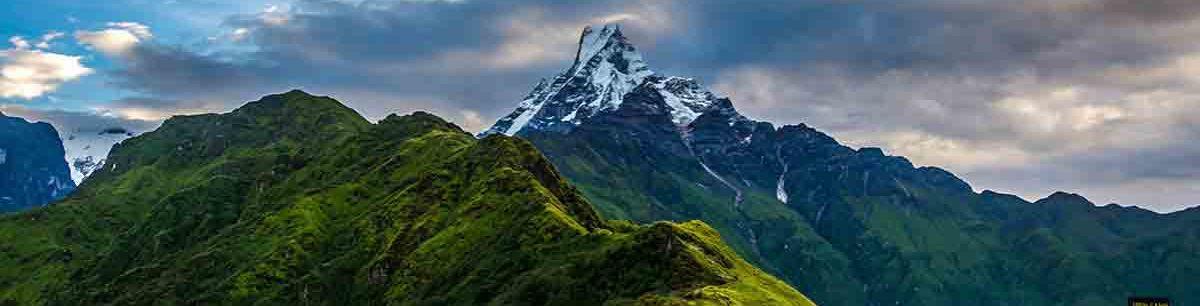

Trekking is one of the most rewarding outdoor adventures. It offers breathtaking landscapes, cultural encounters, and an unmatched sense of achievement. However, the trails also present obstacles that can catch beginners and even experienced trekkers off guard. Understanding the top trekking challenges in advance helps you plan better, stay safer, and enjoy the journey without unnecessary stress.
In this guide, you will learn about five common challenges you might encounter during trekking, why they happen, and the most effective ways to manage them. As you prepare for your trek, this knowledge will support your confidence and elevate your overall experience.
Altitude Sickness and Breathing Difficulties
One of the most frequent issues trekkers face, especially on high-altitude routes, is altitude sickness. When you move to elevations above 2,500 meters, the oxygen level in the air begins to drop. Because of this change, your body may struggle to adapt. Some people feel mild discomfort, while others experience severe symptoms.
Why Altitude Sickness Happens
Your body works harder to take in oxygen at higher elevations. If the ascent is too quick, it cannot adjust. This leads to symptoms like:
- Headache
- Nausea or vomiting
- Difficulty sleeping
- Loss of appetite
- Fatigue
- Shortness of breath
These symptoms can worsen if ignored. In extreme cases, they may develop into life-threatening conditions such as High Altitude Pulmonary Edema (HAPE) or High Altitude Cerebral Edema (HACE).
How to Manage and Prevent Altitude Sickness
You can reduce risk by planning your ascent wisely.
Choose a gradual itinerary.
Staying at the same altitude for at least two nights helps your body acclimatize. Treks like Everest Base Camp or Annapurna Circuit include structured acclimatization days for this reason.
Hydrate consistently.
Water helps regulate bodily functions and improves oxygen flow.
Avoid alcohol and smoking.
Both slow down the acclimatization process and weaken your breathing capacity.
Walk slowly.
A steady pace keeps your oxygen levels stable.
Consider medication.
Some trekkers take acetazolamide (Diamox) after consulting a doctor.
Recognizing early symptoms is crucial. If your headache worsens or you feel extremely dizzy, descend immediately. The mountain will always be there; your safety must come first.
Physical Fatigue and Muscle Strain
Another one of the most common trekking challenges is physical exhaustion. Long walking hours, steep ascents, rocky trails, and unpredictable terrain all place stress on the body. Trekkers who are not physically prepared often find the journey more tiring than expected.
Why Physical Fatigue Happens
Many trekkers underestimate the intensity of multi-day hikes. Even if you walk regularly at home, trekking at altitude with a backpack feels completely different. Carrying extra weight, navigating uneven ground, and trekking for several hours daily increases fatigue.
Muscle strain typically comes from:
- Overexertion
- Improper warm-up
- Poor posture
- Heavy backpacks
- Inadequate rest
How to Overcome Fatigue and Build Endurance
Train at least 6–8 weeks before your trek.
Include cardio, stair climbing, hiking practice, and strength workouts. Your legs, core, and back must be strong.
Use proper trekking gear.
A comfortable backpack with waist support reduces pressure on your shoulders. Lightweight shoes with good grip help you walk safely and efficiently.
Take short breaks during the hike.
Your muscles need time to recover during long days on the trail.
Eat energy-boosting meals.
Foods rich in carbohydrates and protein keep your stamina steady.
Stretch regularly.
Stretching prevents muscle stiffness and reduces injury risk.
When you stay consistent with preparation and self-care, you minimize fatigue and increase your chance of finishing the trek comfortably.
Unpredictable Weather and Environmental Conditions
Trekking routes—especially in mountainous regions—are known for rapid weather changes. Clear skies can turn into snowfall or rain within minutes. Because of these shifts, trekkers must be mentally and physically prepared for environmental challenges.
Common Weather-Related Problems
- Heavy rain that makes trails slippery
- Strong winds in open high-altitude areas
- Sudden snowfall blocking paths
- Intense heat causing dehydration
- Extremely cold nights
- Fog that reduces visibility
Weather can influence your pace, safety, and overall trekking experience.
How to Stay Safe in Changing Weather
Check weather forecasts regularly.
Guides and local authorities monitor conditions on the trail. Listen to their advice.
Carry layered clothing.
Layering allows you to adjust your temperature quickly. A moisture-wicking base, insulated mid-layer, and waterproof jacket are essential.
Use waterproof gear.
Rain covers for backpacks, dry bags, and water-resistant shoes protect your belongings.
Start your trek early in the morning.
Weather is usually more stable before afternoon.
Be flexible.
Your itinerary may change because of unsafe conditions. Safety should always guide your decisions.
With the right gear and awareness, weather becomes manageable rather than overwhelming.
Navigation Difficulties and Trail Confusion
Not all trekking routes are clearly marked. Some sections may lack signboards or visible paths, especially in remote areas. Fog, snowfall, or landslides can also obscure the trail. For beginners, this can be one of the most stressful trekking challenges.
Why Navigation Problems Occur
- Poorly marked trails
- Washed-out paths
- Snow cover hiding footsteps
- Dense forest areas
- No GPS signal in remote regions
- Inexperienced hikers
Getting lost on a trail increases anxiety and may put you in danger if night approaches.
How to Avoid Navigation Errors
Always trek with a licensed guide.
Their local knowledge helps you avoid wrong turns and dangerous areas.
Carry a map and compass.
Technology can fail, but a physical map is reliable.
Download offline GPS maps.
Apps like MapsMe or Gaia GPS work without internet once downloaded.
Follow established footsteps.
Fresh tracks often indicate the correct route.
Stay with your group.
Solo detours or attempts to take shortcuts are extremely risky.
Proper navigation keeps your trek smooth and prevents unnecessary delays or safety concerns.
Mental Challenges and Emotional Stress
Trekking is not just a physical activity. It is also mentally demanding. Long walking hours, cold nights, unfamiliar environments, and unpredictable conditions can affect your emotional state.
Mental Challenges You May Face
- Fear of heights or narrow paths
- Anxiety due to altitude or weather
- Homesickness during multi-day treks
- Loss of motivation
- Stress from slow progress
- Uncertainty about reaching the destination
Even experienced trekkers sometimes feel overwhelmed, especially when the trail becomes tougher than expected.
How to Build Mental Strength for Trekking
Break the journey into smaller goals.
Instead of thinking about the entire trek, focus on reaching the next village or rest point.
Practice mindfulness.
Breathing exercises help you stay calm and grounded.
Walk at your own pace.
Pushing too hard increases frustration and reduces enjoyment.
Stay positive and celebrate small achievements.
Every step forward is progress.
Trekkers’ companionship helps.
Talking to fellow hikers or guides boosts morale.
Your mindset shapes your experience. With the right attitude, even the toughest parts of trekking feel achievable.
Additional Minor Trekking Challenges to Expect
While the five issues above are the most common, a few other obstacles may appear as well.
Blisters and Foot Pain
Poorly fitted shoes or socks cause friction and discomfort. Wearing broken-in boots, using blister pads, and keeping feet dry helps prevent this.
Lack of Proper Nutrition
Sometimes food options are limited. Carry lightweight snacks, energy bars, nuts, and hydration salts.
Limited Accommodation or Overcrowding
Busy seasons can mean fewer rooms in tea houses. Advance booking or flexible timing helps.
Heavy Backpacks
Pack only essentials. A heavy load affects balance, speed, and energy.
Though these are smaller challenges, managing them effectively improves your comfort and safety.
Why Understanding Trekking Challenges Matters
Knowing these common problems during trekking prepares you both mentally and physically. Preparation reduces risk, boosts confidence, and helps you enjoy the trail with fewer interruptions. Whether you are trekking for fitness, adventure, or cultural immersion, awareness is your strongest tool.
Conclusion: Overcome Your Trekking Challenges with Confidence
Trekking tests your endurance, determination, and adaptability. However, every challenge comes with a practical solution. When you understand the five common challenges you might encounter during trekking—altitude sickness, physical fatigue, unpredictable weather, navigation difficulties, and mental stress—you are already one step closer to completing your journey successfully.
With proper preparation, the right gear, guidance, and a positive mindset, trekking becomes not just possible but deeply rewarding. The mountains are full of breathtaking scenery, inspiring moments, and memories you will carry throughout your life. When you take the time to prepare well, you will find that even the most demanding trails feel achievable.