
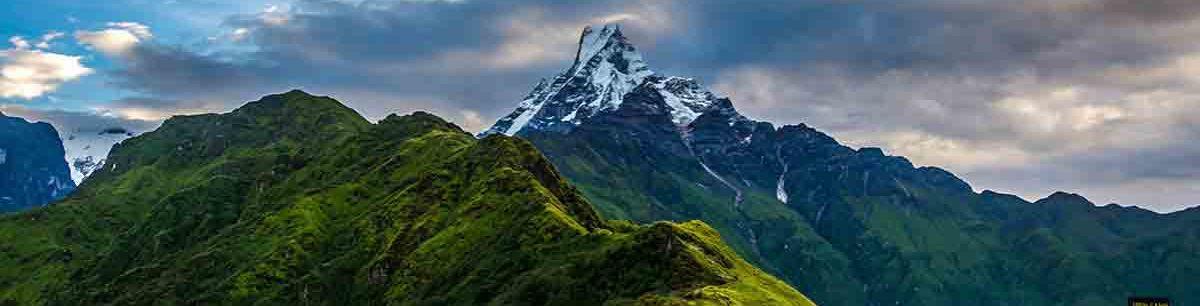

Nepal has long been synonymous with rugged adventure, spiritual exploration, and raw natural beauty. From the towering peaks of the Himalayas to ancient temples and vibrant cultural traditions, the country has traditionally attracted trekkers, backpackers, and pilgrims seeking authentic and often challenging experiences. However, in recent years, a remarkable shift has been taking place—the rise of luxury hospitality in Nepal is redefining how travelers experience the Himalayas.
Today, Nepal is no longer just a destination for budget adventurers. It is rapidly emerging as a premium travel hotspot where comfort meets wilderness, and exclusivity blends seamlessly with tradition. This transformation is not only elevating the tourism industry but also reshaping the expectations of modern travelers.
In this article, we explore how luxury hospitality in Nepal is revolutionizing Himalayan travel experiences and what it means for the future of tourism in the region.
The Evolution of Tourism in Nepal
Historically, tourism in Nepal was centered around trekking routes such as Everest Base Camp and Annapurna Circuit. Accommodation was basic, infrastructure limited, and the focus was primarily on adventure and endurance.
However, with growing global demand for experiential and high-end travel, Nepal has evolved. Affluent travelers now seek immersive journeys without compromising on comfort. This shift has led to the development of:
- Boutique luxury hotels
- High-end trekking lodges
- Wellness retreats
- Private helicopter tours
- Curated cultural experiences
The transformation has been gradual but impactful, positioning Nepal as a destination that offers both adventure and indulgence.
What Defines Luxury Hospitality in Nepal?
Luxury in Nepal is not just about five-star amenities—it’s about unique, personalized, and meaningful experiences. The concept of luxury here is deeply tied to nature, culture, and exclusivity.
Boutique Luxury Lodges in Remote Locations
High-end lodges in trekking regions now offer:
- Heated rooms and comfortable bedding
- Gourmet dining experiences
- Stunning panoramic views
- Personalized service
These lodges allow travelers to explore remote Himalayan regions without sacrificing comfort.
Premium Urban Hotels
Cities like Kathmandu and Pokhara have seen a surge in world-class hotels featuring:
- Spa and wellness centers
- Fine dining restaurants
- Rooftop lounges with mountain views
- Concierge services for curated travel
Tailor-Made Travel Experiences
Luxury travelers can now enjoy:
- Private guided treks
- Cultural immersion programs
- Helicopter sightseeing tours
- Exclusive wildlife safaris
This customization ensures every journey is unique and unforgettable.
Luxury Trekking: A Game-Changer in the Himalayas
One of the most significant developments in Nepal’s tourism landscape is luxury trekking. Traditionally, trekking meant long days, basic lodges, and limited comfort. Today, that narrative has changed.
Key Features of Luxury Trekking
1. Comfort at High Altitudes
Luxury lodges provide heated rooms, attached bathrooms, and even electric blankets in some locations.
2. Gourmet Dining
Travelers can enjoy multi-course meals, freshly baked goods, and international cuisine even in remote areas.
3. Personalized Support
Private guides, porters, and flexible itineraries ensure a stress-free experience.
4. Scenic Flights and Helicopter Transfers
Helicopter services reduce travel time and offer breathtaking aerial views of the Himalayas.
Luxury trekking allows travelers of all ages and fitness levels to experience the Himalayas in a more accessible and enjoyable way.
The Rise of Wellness Tourism in Nepal
Another key aspect of luxury hospitality in Nepal is the growing popularity of wellness tourism. The country’s spiritual heritage and natural tranquility make it an ideal destination for rejuvenation.
Wellness Offerings Include:
- Yoga and meditation retreats
- Ayurvedic treatments
- Detox and healing programs
- Spa therapies inspired by traditional practices
Many luxury resorts are integrating wellness into their offerings, creating holistic experiences that cater to both body and mind.
Cultural Immersion Meets Luxury
Nepal’s rich cultural heritage is a major draw for travelers. Luxury hospitality has elevated cultural experiences by making them more immersive and exclusive.
Examples of Luxury Cultural Experiences:
- Private tours of heritage sites
- Traditional Nepali cooking classes
- Exclusive access to festivals and rituals
- Guided visits to monasteries and spiritual centers
These experiences allow travelers to connect deeply with Nepal’s culture while enjoying premium services.
Sustainable Luxury: A Responsible Approach
One of the most encouraging aspects of Nepal’s luxury tourism growth is its emphasis on sustainability. Many luxury operators are committed to responsible tourism practices.
Sustainable Initiatives Include:
- Eco-friendly construction and operations
- Use of local materials and workforce
- Community-based tourism programs
- Conservation efforts in trekking regions
This approach ensures that tourism growth benefits local communities while preserving Nepal’s natural and cultural heritage.
Technology and Innovation in Luxury Travel
Modern luxury travelers expect seamless experiences, and Nepal’s hospitality sector is adapting accordingly.
Innovations in the Industry:
- Online booking platforms for high-end experiences
- Digital concierge services
- Smart room technologies in luxury hotels
- Improved connectivity in remote regions
These advancements enhance convenience without compromising the authenticity of the travel experience.
The Impact on Nepal’s Economy
The rise of luxury hospitality is significantly contributing to Nepal’s economy.
Economic Benefits:
- Increased tourism revenue
- Job creation in hospitality and service sectors
- Development of infrastructure
- Promotion of local products and crafts
Luxury tourism attracts high-spending travelers, which boosts overall economic growth and supports sustainable development.
Challenges in the Luxury Hospitality Sector
Despite its rapid growth, the luxury hospitality industry in Nepal faces several challenges:
1. Infrastructure Limitations
Remote areas still lack consistent transportation and connectivity.
2. Environmental Concerns
Increased tourism can strain fragile ecosystems if not managed responsibly.
3. Skill Development
There is a need for trained professionals to meet international luxury standards.
4. Balancing Authenticity and Modernization
Maintaining Nepal’s cultural identity while embracing luxury is a delicate balance.
Addressing these challenges will be crucial for long-term success.
Why Travelers Are Choosing Luxury Nepal Experiences
Modern travelers are increasingly drawn to Nepal’s luxury offerings for several reasons:
- Unique combination of adventure and comfort
- Authentic cultural experiences with premium services
- Less crowded, more exclusive travel options
- Opportunity for wellness and spiritual growth
Nepal offers something that few destinations can—luxury in the heart of the Himalayas, surrounded by untouched natural beauty.
The Future of Luxury Hospitality in Nepal
The future looks promising for Nepal’s luxury tourism sector. With ongoing investments and government support, the industry is poised for significant growth.
Trends to Watch:
- Expansion of luxury lodges in new trekking routes
- Growth of wellness and spiritual tourism
- Increased international hotel brands entering the market
- Development of eco-luxury resorts
As Nepal continues to evolve, it is set to become one of the most sought-after luxury travel destinations in Asia.
Conclusion
Luxury hospitality in Nepal is transforming the way travelers experience the Himalayas. What was once a destination primarily for adventurous trekkers is now a hub for high-end, immersive, and meaningful travel experiences.
By combining natural beauty, cultural richness, and modern comfort, Nepal is redefining luxury tourism in a truly unique way. Whether it’s a serene wellness retreat, a luxurious trek through the mountains, or an exclusive cultural journey, Nepal offers unforgettable experiences that cater to the evolving needs of global travelers.
As this trend continues, Nepal is not just keeping pace with global tourism standards—it is setting a new benchmark for luxury travel in remote and culturally rich destinations.