

Nepali teahouses are a defining part of trekking in Nepal. For many trekkers, they are more than just a place to sleep. They are where stories are shared, meals are enjoyed, and the day’s exhaustion slowly fades away. However, expectations about Nepali teahouses often differ greatly from reality.
Some trekkers imagine cozy mountain lodges with hotel-like comfort. Others fear extremely basic shelters with little hygiene. In truth, Nepali teahouses fall somewhere in between. Understanding what to expect in Nepali teahouses helps trekkers prepare better and enjoy their journey more fully.
This guide breaks down the expectations vs reality of Nepali teahouses, covering accommodation, food, bathrooms, cost, comfort, and cultural etiquette. Whether you are trekking to Everest Base Camp, Annapurna, Langtang, or Manaslu, this article will help you set realistic expectations.
What Are Nepali Teahouses?
Nepali teahouses are family-run lodges found along popular trekking routes in Nepal. Originally, they were simple rest stops serving tea and snacks. Over time, they evolved into full-service lodges offering meals, beds, and basic amenities.
Today, Nepali teahouses form the backbone of Nepal’s trekking infrastructure. Instead of camping, trekkers move from one teahouse to another each day. This system makes trekking more accessible and affordable.
However, not all teahouses are the same. Facilities vary by altitude, remoteness, and trekking route popularity.
Expectation vs Reality: Location and Setting
Expectation
Many trekkers expect teahouses to be isolated huts surrounded by untouched wilderness.
Reality
In reality, most Nepali teahouses are located inside small mountain villages. These villages often have schools, monasteries, shops, and bakeries. On popular routes, you may find dozens of teahouses clustered together.
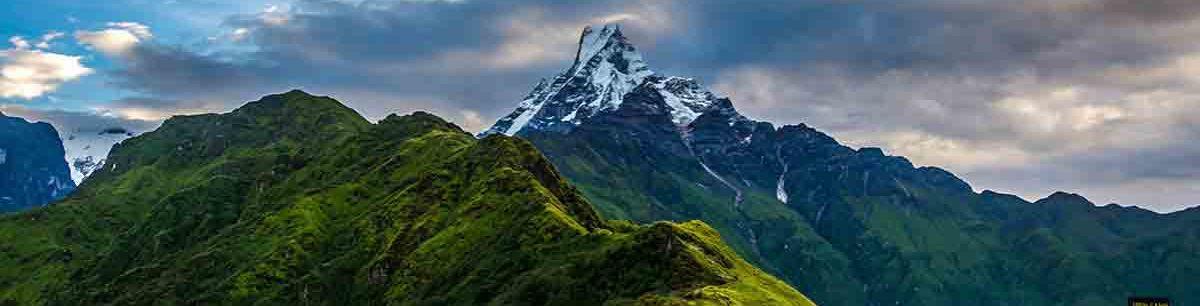
That said, the scenery remains spectacular. Snow-capped peaks, terraced fields, and deep valleys are often visible right outside your room.
Rooms in Nepali Teahouses: What Trekkers Should Know
Expectation
Trekkers often expect hotel-style rooms with heating, thick mattresses, and private bathrooms.
Reality
Rooms in Nepali teahouses are simple but functional. Typically, you get:
- Two single beds
- A thin mattress
- A pillow and blanket
- A small table or shelf
Walls are usually wooden, and insulation is minimal. As altitude increases, rooms become colder. Heating is almost never available in bedrooms.
Private bathrooms are rare, especially above 3,000 meters. Shared toilets are the norm.
Bedding and Warmth: Expectation vs Reality
Expectation
Many trekkers assume teahouse blankets are warm enough for freezing nights.
Reality
While blankets are provided, they are often not sufficient at higher altitudes. Nights can be extremely cold, especially in Everest and Annapurna regions.
This is why experienced trekkers always carry a four-season sleeping bag. Teahouse blankets should be seen as an extra layer, not primary insulation.
Food in Nepali Teahouses: Simple but Satisfying
Expectation
Some trekkers expect limited food choices and poor hygiene.
Reality
Food in Nepali teahouses is surprisingly varied and generally safe. Menus often include:
- Dal Bhat (rice, lentils, vegetables)
- Noodles and fried rice
- Pasta and soups
- Eggs, potatoes, and pancakes
Dal Bhat deserves special mention. It is filling, nutritious, and usually comes with free refills, making it the most popular trekking meal.
However, as altitude increases, food becomes more expensive and simpler due to transportation challenges.
Drinking Water: What’s Expected vs What’s Real
Expectation
Trekkers often expect bottled water to be cheap and easily available.
Reality
Bottled water is widely available but becomes very expensive at higher altitudes. Additionally, plastic waste is a serious environmental issue in the Himalayas.
Most trekkers use:
- Water purification tablets
- UV purifiers
- Filter bottles
Many Nepali teahouses provide boiled water for a small fee. This option is both eco-friendly and cost-effective.
Bathrooms and Toilets: The Honest Truth
Expectation
Some trekkers expect Western-style toilets and hot showers.
Reality
Bathrooms are often the biggest shock. Toilets are usually:
- Squat toilets or basic Western toilets
- Shared among guests
- Located outside the main building in some villages
Hot showers may be available, but they are often:
- Solar-heated
- Limited by weather conditions
- Charged separately
At higher altitudes, showers may be unavailable for days. Wet wipes become extremely useful.
Electricity and Charging Facilities
Expectation
Trekkers expect to charge devices freely.
Reality
Electricity is limited in remote regions. Many Nepali teahouses rely on solar power.
Charging electronics usually costs extra, especially for:
- Phones
- Cameras
- Power banks
Power outages are common. Therefore, carrying a high-capacity power bank is essential.
Wi-Fi and Connectivity: Expectation vs Reality
Expectation
Some trekkers expect consistent Wi-Fi.
Reality
Wi-Fi is available in many teahouses, but it is often:
- Slow
- Unreliable
- Expensive
Mobile data works better in lower regions. However, connectivity decreases significantly at higher elevations. Trekkers should not rely on constant internet access.
Dining Rooms: The Social Heart of Teahouses
One expectation that usually matches reality is the warmth of the dining room. Almost all Nepali teahouses have a communal dining area heated by a stove.
This space becomes the social center in the evenings. Trekkers from around the world gather here to:
- Eat
- Warm up
- Share trail stories
Despite basic rooms, dining rooms often feel welcoming and lively.
Costs in Nepali Teahouses
Expectation
Trekkers expect consistent pricing.
Reality
Prices increase with altitude. This is normal and unavoidable. Supplies are often carried by porters or yaks.
Interestingly, room prices are often very low, sometimes even free if you eat dinner and breakfast at the same teahouse. Food is how teahouse owners earn their income.
Hygiene and Cleanliness
Expectation
Some trekkers fear extremely poor hygiene.
Reality
Most Nepali teahouses maintain acceptable cleanliness standards. However, hygiene depends on:
- Location
- Season
- Number of trekkers
Using hand sanitizer before meals is strongly recommended.
Cultural Etiquette in Nepali Teahouses
Understanding local etiquette enhances the experience:
- Always greet hosts politely
- Eat where you sleep whenever possible
- Avoid wasting food
- Dress modestly in common areas
Teahouse owners work long hours under difficult conditions. Respect and patience go a long way.
Seasonal Differences in Teahouse Experience
Peak Seasons (Spring & Autumn)
- Busy teahouses
- Limited room choices
- Lively atmosphere
Off-Season (Winter & Monsoon)
- Fewer open teahouses
- Colder rooms
- Limited food options
Your expectations should adjust depending on when you trek.
Expectations vs Reality Summary
| Aspect | Expectation | Reality |
| Rooms | Hotel-like comfort | Basic but adequate |
| Food | Limited options | Simple, filling meals |
| Bathrooms | Private & modern | Shared & basic |
| Heating | Warm rooms | Cold bedrooms |
| Wi-Fi | Reliable | Slow & costly |
Tips to Enjoy Nepali Teahouses More
- Carry a warm sleeping bag
- Bring toilet paper and wet wipes
- Use water purification methods
- Be flexible and patient
- Embrace simplicity
Adjusting expectations is the key to enjoying Nepali teahouses.
Final Thoughts
Nepali teahouses are not luxury lodges, but they are authentic, welcoming, and essential to trekking in Nepal. When trekkers understand the reality of Nepali teahouses, they stop comparing and start appreciating.
Instead of focusing on what is missing, focus on what is unique: warm hospitality, shared stories, and unforgettable mountain settings. With the right mindset, Nepali teahouses become one of the most memorable parts of any Himalayan trek.