
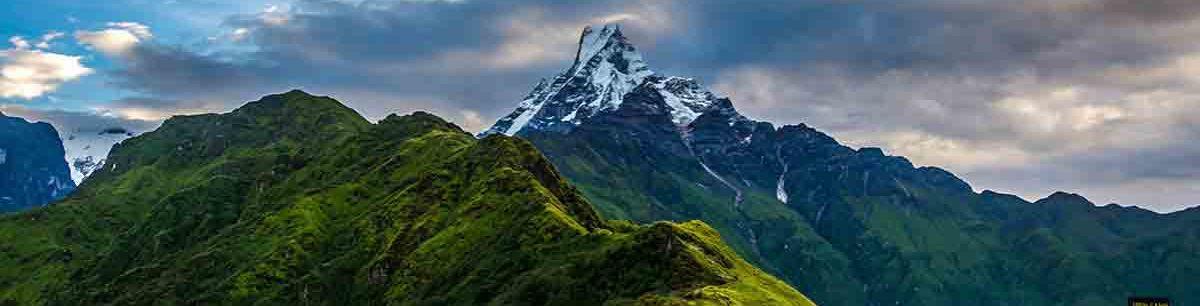

The towering peaks of the Himalayas have long symbolized adventure, resilience, and the pursuit of dreams. In recent years, a powerful shift has taken place in the trekking and mountaineering world—women trekkers are increasingly leading Himalayan adventures in Nepal. What was once considered a male-dominated field has transformed into an inspiring landscape where women guide expeditions, conquer high passes, and motivate others to follow their dreams.
In 2026, this movement is stronger than ever. Women from Nepal and across the globe are setting records, organizing treks, and redefining leadership in the mountains. From beginner trails to challenging expeditions, women trekkers are proving that determination, skill, and passion can take anyone from dream to summit.
This article explores how women are leading Himalayan adventures in Nepal, why more female trekkers are joining expeditions, and how the trekking industry is evolving to support and empower them.
The Rise of Women Trekkers in Nepal
Over the past decade, women trekkers have become a significant force in Nepal’s trekking industry. Many women now work as guides, porters, expedition leaders, and travel entrepreneurs.
Historically, trekking in the Himalayas required intense physical endurance and was often associated with male adventurers. However, with improved training programs, international exposure, and growing support networks, women have increasingly stepped into leadership roles.
Several factors have contributed to this rise:
- Greater global awareness about gender equality in adventure sports
- Training opportunities for female trekking guides
- Support from local trekking companies and organizations
- Growing communities of women travelers seeking safe and empowering experiences
Today, female-led trekking groups are becoming common in many Himalayan regions.
Why Nepal Is the Perfect Destination for Women Trekkers
Nepal offers one of the most diverse and inspiring trekking environments in the world. With eight of the world’s highest mountains and countless scenic trails, the country provides opportunities for both beginner and advanced trekkers.
Diverse Trekking Routes
Nepal features a variety of trekking routes that cater to different skill levels. Some of the most popular trails include:
These routes offer breathtaking landscapes, cultural immersion, and unique challenges that appeal to adventurous women worldwide.
Safe and Supportive Trekking Culture
Nepal’s trekking culture is known for its hospitality. Tea houses along major trekking routes provide safe accommodations, meals, and social interaction for trekkers.
Many trekking companies now offer female-only treks, ensuring comfort and security for women travelers.
Inspiring Role Models
Women pioneers in mountaineering have inspired many new trekkers to follow their dreams. Legendary climbers like Pasang Lhamu Sherpa and Junko Tabei have demonstrated that determination can break barriers.
Their achievements continue to motivate women to explore the Himalayas.
How Women Are Leading Himalayan Adventures in 2026
In 2026, women are not just participating in treks—they are leading them.
Female Trek Leaders and Guides
More Nepalese women are becoming certified trekking guides. These professionals lead groups across challenging terrain while ensuring safety and environmental responsibility.
Female guides bring unique strengths to expeditions, including strong communication skills, empathy, and leadership.
Women-Only Trekking Expeditions
Women-only trekking groups are gaining popularity worldwide. These expeditions create supportive environments where participants feel comfortable pushing their limits.
Such trips often emphasize:
- Personal growth
- Cultural exchange
- Community building
For many women, these treks represent a powerful journey of self-discovery.
Adventure Entrepreneurship
Many female adventurers are now running trekking companies and travel startups. They design unique trekking experiences that focus on sustainability, cultural immersion, and responsible tourism.
Their leadership is transforming Nepal’s trekking industry.
Popular Treks Women Are Leading in Nepal
Several trekking routes have become favorites among women leaders and adventure groups.
Everest Base Camp Trek
The Everest Base Camp Trek is one of the most iconic journeys in the Himalayas. Trekkers pass through Sherpa villages, suspension bridges, and glaciers while enjoying views of Mount Everest.
Women-led expeditions on this route have increased significantly in recent years.
Annapurna Circuit Trek
The Annapurna Circuit offers a diverse experience with lush forests, alpine landscapes, and high mountain passes. It is an excellent route for women seeking a longer and more challenging trek.
Langtang Valley Trek
The Langtang Valley Trek is perfect for trekkers who want spectacular scenery without extremely high altitude challenges. Female guides often recommend it for beginners and solo women travelers.
Challenges Women Trekkers Still Face
Despite significant progress, female trekkers still encounter certain challenges.
Cultural Barriers
In some communities, traditional gender roles may discourage women from pursuing trekking careers. However, education and awareness are gradually changing these attitudes.
Physical Demands
High-altitude trekking requires endurance and preparation. Proper training, acclimatization, and equipment are essential for success.
Limited Representation
While the number of female guides is increasing, they still represent a small percentage of the trekking workforce.
Continued support and training programs are essential for growth.
Training and Preparation for Women Trekkers
Preparation is key for any Himalayan adventure.
Physical Training
Before trekking in Nepal, women should focus on:
- Cardio workouts
- Strength training
- Hiking practice with backpacks
Mental Preparation
High-altitude trekking requires resilience and patience. Mental preparation helps trekkers overcome fatigue and unexpected challenges.
Proper Gear
Essential gear includes:
- Waterproof hiking boots
- Thermal clothing
- Trekking poles
- Quality backpacks
- Sleeping bags designed for cold temperatures
Having the right equipment ensures comfort and safety during the trek.
The Role of Local Communities
Local communities play an important role in supporting female trekkers and guides.
Many villages along trekking routes now encourage women to work in tourism. Training programs teach guiding skills, hospitality, and environmental conservation.
These initiatives empower women economically while strengthening Nepal’s tourism industry.
Sustainable and Responsible Trekking
Women-led expeditions often emphasize sustainability and environmental responsibility.
Responsible trekking practices include:
- Minimizing plastic waste
- Respecting local culture and traditions
- Supporting local businesses and tea houses
- Protecting fragile mountain ecosystems
These practices ensure that the Himalayas remain pristine for future generations.
Inspiring Stories From Women Trekkers
Every year, countless women embark on life-changing journeys in Nepal.
Some trek to celebrate personal achievements, while others seek healing, adventure, or spiritual growth. Many return home with newfound confidence and lifelong friendships.
From first-time trekkers to professional guides, women are rewriting the narrative of Himalayan exploration.
Tips for Women Planning a Trek in Nepal
If you are planning your first Himalayan trek, consider these tips:
- Choose a reputable trekking company
- Train physically several months before the trip
- Pack light but bring essential gear
- Travel with supportive companions or guided groups
- Respect local culture and customs
Following these tips will make your trekking experience safer and more enjoyable.
The Future of Women in Himalayan Trekking
The future of trekking in Nepal looks incredibly promising for women. As more female adventurers enter the field, the industry will continue evolving toward inclusivity and equality.
By 2026 and beyond, women trekkers will likely:
- Lead more high-altitude expeditions
- Establish adventure travel companies
- Mentor the next generation of female explorers
Their leadership will inspire countless others to chase their dreams in the mountains.
Conclusion: From Dream to Summit
The story of women trekkers leading Himalayan adventures in Nepal is a story of courage, determination, and transformation.
From the foothills to the world’s highest peaks, women are proving that adventure has no gender limits. Their journeys symbolize empowerment—not just for themselves but for future generations of explorers.
In 2026, the Himalayas continue to witness an inspiring movement: women turning dreams into reality, step by step, trail by trail, all the way to the summit. For anyone seeking adventure, inspiration, and personal growth, the message is clear—the mountains are calling, and women are answering with strength and leadership

