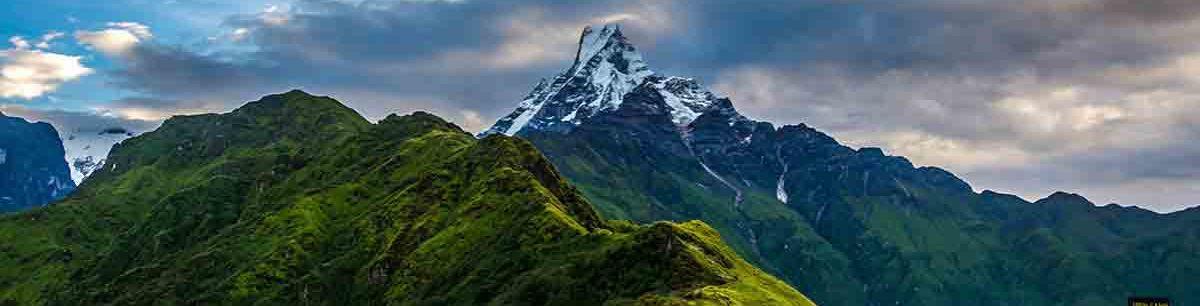
Nepal Wellness Tourism 2027: Government Plans to Build a Global Hub for Yoga, Meditation, and Natural Healing

Nepal Wellness Tourism 2027 is emerging as a transformative national vision, positioning Nepal as a global hub for yoga, meditation, and natural healing. With the government prioritizing wellness tourism and announcing plans for a comprehensive strategy, the country is preparing to redefine its tourism identity beyond mountains and adventure. This ambitious initiative, combined with the declaration of “Wellness Year 2027,” signals Nepal’s commitment to integrating Eastern philosophy, holistic health, and sustainable tourism into a unified global offering.


Introduction: A New Era for Tourism in Nepal

For decades, Nepal has been synonymous with trekking in the Himalayas, spiritual journeys to Lumbini, and cultural exploration in Kathmandu. However, the global tourism landscape is evolving. Travelers today are increasingly seeking meaningful experiences that enhance physical health, mental clarity, and spiritual growth.

Recognizing this shift, the Nepalese government has placed wellness tourism at the forefront of its national development strategy. A dedicated wellness tourism framework is expected to be introduced soon, guiding investments, infrastructure, and global promotion efforts.


What Is Wellness Tourism?

Wellness tourism refers to travel aimed at promoting health and well-being through physical, psychological, and spiritual activities. It includes experiences such as:

  • Yoga retreats
  • Meditation programs
  • Ayurveda and natural healing therapies
  • Detox and spa treatments
  • Spiritual pilgrimages

Globally, wellness tourism is one of the fastest-growing travel sectors, driven by increasing stress levels, lifestyle diseases, and a desire for holistic well-being.

Nepal, with its deep-rooted traditions in spirituality and natural healing, is uniquely positioned to benefit from this trend.


Why Nepal Is Ideal for Wellness Tourism

1. Birthplace of Buddha and Spiritual Heritage

Nepal is the birthplace of Gautama Buddha, making it one of the world’s most significant spiritual destinations. Sites like Lumbini attract pilgrims and seekers from across the globe who are interested in meditation and mindfulness.

2. Rich Tradition of Yoga and Meditation

Yoga and meditation have been practiced in Nepal for centuries, deeply intertwined with Hindu and Buddhist philosophies. From monasteries in the mountains to urban wellness centers, Nepal offers authentic experiences rooted in ancient traditions.

3. Natural Healing Environment

The country’s diverse geography—from the Himalayan peaks to lush jungles—provides a serene and pollution-free environment ideal for healing and rejuvenation. Clean air, fresh water, and tranquil landscapes enhance the effectiveness of wellness practices.

4. Ayurveda and Herbal Medicine

Nepal has a strong tradition of Ayurveda, using natural herbs and holistic treatments to promote health. Many wellness centers offer Ayurvedic therapies, detox programs, and personalized treatments.


Government Vision: Nepal Wellness Year 2027

The government has officially recognized wellness tourism as a key pillar of economic growth and tourism diversification. The declaration of “Nepal Wellness Year 2027” reflects a coordinated effort to:

  • Promote Nepal as a global wellness destination
  • Attract high-value international tourists
  • Develop infrastructure for wellness retreats and healing centers
  • Encourage private sector investment

This initiative is expected to involve multiple agencies working together to create a cohesive brand for Nepal’s wellness tourism sector.


Key Features of the Upcoming Wellness Strategy

1. Integrated Policy Framework

The government plans to introduce a comprehensive wellness tourism strategy within a short timeframe. This policy will outline:

  • Standards for wellness centers
  • Certification systems for practitioners
  • Guidelines for sustainable development

2. Promotion of Eastern Philosophy

Nepal’s wellness tourism will emphasize Eastern philosophies such as:

  • Mindfulness and meditation
  • Spiritual healing
  • Harmony between body and mind

These elements differentiate Nepal from Western wellness destinations that often focus more on luxury spa experiences.

3. Infrastructure Development

To support the growth of wellness tourism, Nepal will invest in:

  • Retreat centers and eco-resorts
  • Wellness spas and Ayurveda clinics
  • Improved transportation and accessibility

4. Global Marketing Campaigns

Nepal will promote itself internationally as a wellness destination through digital campaigns, partnerships, and participation in global tourism events.


International Recognition: April 15 as International Wellness Day

Nepal is also taking steps to gain global recognition for wellness tourism by thanking UN member states for supporting April 15 as International Wellness Day. This move aligns Nepal with global wellness initiatives and strengthens its position on the international stage.

Such recognition will help:

  • Increase global awareness
  • Encourage international collaboration
  • Attract wellness travelers worldwide

Popular Wellness Experiences in Nepal

Yoga Retreats in Pokhara

Pokhara is one of the top destinations for yoga retreats, offering stunning views of the Annapurna range and a peaceful lakeside environment. Many retreats combine yoga with meditation, detox programs, and nature walks.

Meditation in Buddhist Monasteries

Monasteries in regions like Mustang and Solukhumbu provide immersive meditation experiences guided by monks.

Ayurveda and Spa Treatments

Cities like Kathmandu and Pokhara host wellness centers offering traditional Ayurvedic therapies, massages, and holistic healing programs.

Nature-Based Healing

Activities such as forest bathing, trekking, and eco-retreats allow visitors to reconnect with nature and improve mental well-being.


Economic Impact of Wellness Tourism

The development of wellness tourism is expected to bring significant economic benefits to Nepal:

1. Increased Tourist Spending

Wellness tourists typically spend more than average travelers, contributing to higher revenue.

2. Job Creation

The sector will create jobs in:

  • Hospitality
  • Healthcare
  • Wellness services
  • Transportation

3. Rural Development

Many wellness retreats are located in rural areas, promoting local economies and reducing urban migration.

4. Sustainable Tourism Growth

Wellness tourism aligns with sustainable practices, minimizing environmental impact while maximizing economic benefits.


Challenges and Opportunities

Challenges

  • Lack of standardized wellness services
  • Limited international marketing
  • Infrastructure gaps in remote areas

Opportunities

  • Growing global demand for wellness travel
  • Nepal’s authentic cultural and spiritual heritage
  • Government support and policy initiatives

By addressing these challenges, Nepal can unlock its full potential as a leading wellness destination.


Sustainable and Responsible Wellness Tourism

Sustainability will be a core component of Nepal’s wellness tourism strategy. This includes:

  • Eco-friendly accommodations
  • Community-based tourism
  • Conservation of natural resources

Travelers are increasingly choosing destinations that prioritize sustainability, making this approach essential for long-term success.


Future Outlook: Nepal as a Global Wellness Hub

With strong government backing, rich cultural heritage, and natural advantages, Nepal is poised to become a global leader in wellness tourism by 2027.

The integration of yoga, meditation, and natural healing into the tourism sector will not only attract international visitors but also promote a healthier lifestyle among locals.

As the world continues to prioritize well-being, Nepal’s vision aligns perfectly with global trends, offering a unique blend of spirituality, nature, and holistic health.


Conclusion

Nepal Wellness Tourism 2027 represents a bold and forward-thinking initiative to transform the country into a global hub for yoga, meditation, and natural healing. By leveraging its spiritual heritage, natural beauty, and government support, Nepal is set to redefine its tourism industry and create a sustainable, high-value sector.

From the peaceful monasteries of Mustang to the serene lakes of Pokhara, Nepal offers an unmatched environment for wellness and rejuvenation. As the country prepares to celebrate Wellness Year 2027, it invites the world to experience healing, balance, and transformation in one of the most spiritually rich destinations on Earth.

Quick Inquiry Form

Embark on a Transformative Journey:  Yoga Trekking in Nepal

Rating: 5 out of 5.

Nepal, a land of mystique and breathtaking landscapes, has long been a haven for trekkers seeking adventure and spiritual enlightenment. In recent years, a unique blend of traditional trekking and holistic wellness has emerged, giving rise to the concept of Yoga Trekking. This fusion of physical activity and spiritual practice allows trekkers to explore the stunning Himalayan trails while immersing themselves in the ancient art of yoga. In this article, we delve into the details of this transformative journey that combines the serenity of yoga with the thrill of trekking in the heart of Nepal. 

The Essence of Yoga Trekking: 

Yoga Trekking in Nepal is an innovative way to harmonize the mind, body, and soul amidst the aweinspiring beauty of the Himalayas. The trekking routes, carefully curated to incorporate stunning landscapes, quaint villages, and challenging terrains, provide the perfect backdrop for a holistic wellness experience. Participants not only engage in physical activities but also embrace the spiritual teachings of yoga, creating a profound connection with nature and oneself. 

Choosing the Right Route: 

Nepal offers a myriad of trekking routes, each with its own unique charm and level of difficulty. When embarking on a Yoga Trek, it is crucial to choose a route that aligns with both your trekking abilities and the desired intensity of your yoga practice. Popular choices include the Annapurna Circuit, Langtang Valley, and Everest Base Camp trek, each offering a distinctive blend of natural beauty and cultural immersion. 

Daily Routine: 

A typical day on a Yoga Trek in Nepal is a harmonious blend of physical activity, mindfulness, and cultural exploration. The day often begins with a revitalizing yoga session, conducted against the backdrop of the majestic Himalayan peaks as the sun rises. After breakfast, trekkers set out on the trail, navigating through lush forests, charming villages, and panoramic vistas. The trekking routes are interspersed with designated stops for yoga and meditation sessions, allowing participants to rejuvenate and connect with the present moment. 

Experienced Yoga Instructors: 

To facilitate a meaningful yoga experience, professional and experienced yoga instructors accompany the trekking groups. These instructors not only guide participants through physical postures but also impart the philosophical and spiritual aspects of yoga. The serene environment of the Himalayas serves as a perfect setting for self-reflection and the deepening of one’s yoga practice. 

Cultural Immersion: 

One of the unique aspects of Yoga Trekking in Nepal is the opportunity to immerse oneself in the rich local culture. The trekking routes pass through traditional villages, providing trekkers with a chance to interact with the friendly locals, learn about their customs, and witness ancient rituals. This cultural exchange adds a layer of depth to the overall experience, fostering a sense of interconnectedness and appreciation for diverse traditions. 

Accommodations and Facilities: 

While trekking in Nepal often conjures images of rustic tea houses and basic amenities, Yoga Treks typically offer a balance between comfort and adventure. Accommodations along the route are selected to provide a cozy and peaceful atmosphere, allowing participants to relax and unwind after a day of trekking and yoga practice. Nutritious meals are prepared to fuel the trekking journey, with an emphasis on local and organic ingredients. 

Yoga Trekking in Nepal: Best Time 

The best time for yoga trekking in Nepal is generally during the pre-monsoon (spring) and postmonsoon (autumn) seasons. The specific months that are considered ideal for yoga trekking depend on the region and the trekking route chosen. Here are the two primary seasons for yoga trekking in Nepal: 

Spring Season (March to May): 

  • Spring is one of the most popular times for yoga trekking in Nepal.
  • The weather is mild, with clear skies and blooming flowers, making it a visually stunning and pleasant time to trek. 
  • The temperatures are gradually warming up, and the risk of precipitation is relatively low, providing favorable conditions for both trekking and outdoor yoga sessions

Autumn Season (September to November): 

  • Autumn is another excellent season for yoga trekking, attracting a large number of trekkers
  • The weather is stable, with clear skies and crisp air, offering spectacular views of the Himalayan peaks.
  • Temperatures are moderate, making it comfortable for trekking during the day and enjoying yoga sessions in the tranquil mountain environment.

Factors to Consider: 

Monsoon Season (June to August): 

Monsoon season, characterized by heavy rainfall, is generally not recommended for trekking in Nepal. Trails can be muddy, leech-infested, and the views may be obstructed by clouds. 

Winter Season (December to February): 

Winter brings colder temperatures and the possibility of snow in higher altitudes. While some treks can still be undertaken during this season, it may not be the best time for those seeking a combination of trekking and outdoor yoga due to the colder conditions. 

Before planning a yoga trek in Nepal, it’s essential to check the specific conditions of the chosen route and consult with trek organizers or local experts. Additionally, individual preferences, fitness levels, and the desire for solitude or social interaction may influence the choice of the best time for a yoga trek. 

Yoga Trekking in Nepal: FAQ’s

Yoga Trekking in Nepal is a transformative journey that caters to both adventure seekers and those looking to deepen their yoga practice amidst the serene beauty of the Himalayas. 

What is Yoga Trekking in Nepal?

Yoga Trekking in Nepal is a unique adventure that combines trekking through the scenic landscapes of the Himalayas with daily yoga and meditation sessions. It offers participants a holistic experience by integrating physical activity, spiritual practice, and cultural immersion.

Which are the popular routes for Yoga Trekking in Nepal?

Popular routes for Yoga Trekking include the Annapurna Circuit, Langtang Valley, and Everest Base Camp trek. These routes are chosen for their diverse scenery, cultural richness, and the opportunity to engage in yoga amid breathtaking natural surroundings.

Do I need prior yoga experience to join a Yoga Trek? 

No prior yoga experience is required, as Yoga Treks cater to participants of varying skill levels. Professional yoga instructors guide sessions, accommodating both beginners and experienced practitioners.

How physically demanding are Yoga Treks?

The difficulty level depends on the chosen trekking route. While some routes are suitable for beginners, others may involve challenging terrains and higher altitudes. It’s advisable to choose a trek that aligns with your fitness level and consult with trek organizers for guidance. 

What is the best time for Yoga Trekking in Nepal? 

The best time for Yoga Trekking is during the premonsoon (spring) and 
post monsoon (autumn) seasons, typically from March to May and 
September to November. These periods offer stable weather conditions andclear mountain views.

Are accommodations comfortable during Yoga Treks?

Accommodations on Yoga Treks are carefully selected to provide a comfortable and peaceful environment. Tea houses along the route offer cozy rooms, and some treks may include more luxurious lodging options

Is cultural interaction a part of Yoga Treks? 

Yes, cultural immersion is an integral part of Yoga Treks. The routes often pass through traditional villages, allowing participants to interact with locals, experience their customs, and witness cultural rituals.

How is safety ensured during Yoga Treks? 

Safety is a top priority on Yoga Treks. Experienced guides and support staff accompany the groups, and trek organizers adhere to safety protocols. Acclimatization days are often incorporated to minimize the risk of altitude-related issues.

Can I join a Yoga Trek alone? 

Yes, many Yoga Treks welcome solo participants. Group dynamics often foster a supportive and communal atmosphere, providing opportunities to connect with like-minded individuals. 

What should I pack for a Yoga Trek in Nepal?

Pack essentials such as comfortable trekking gear, a good-quality sleeping bag, sturdy 
hiking boots, weather-appropriate clothing, and personal items. Consult the trek organizers for 
a detailed packing list based on your chosen route and season. 

Conclusion: 

A Yoga Trek in Nepal is a transformative journey that transcends the boundaries of conventional trekking and yoga practices. It offers a rare opportunity to explore the pristine Himalayan landscapes while delving into the depths of one’s inner self through the ancient wisdom of yoga. Whether you are an avid trekker, a yoga enthusiast, or someone seeking a holistic wellness experience, Nepal’s Yoga Treks promise an unforgettable adventure that nourishes both the body and the soul. 

Feel Free To Contact Us.