
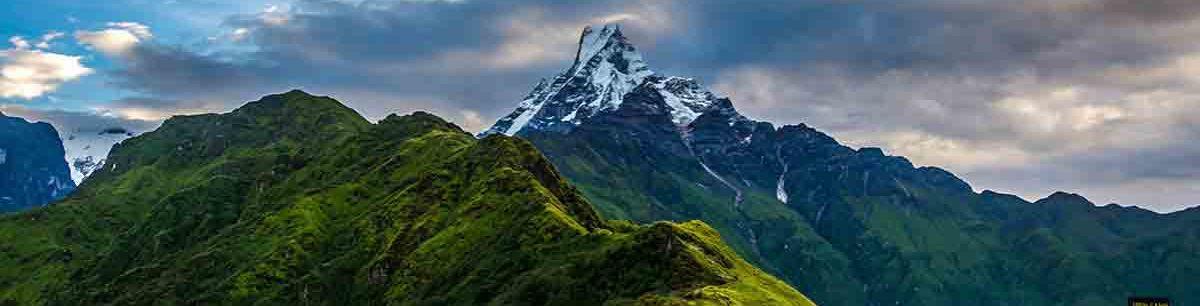

Nepal, nestled in the lap of the Himalayas, is a treasure trove of cultural heritage, sacred rituals, ancient temples, and colorful festivals. While the country’s towering peaks draw trekkers and mountaineers from around the globe, its soul lies in its deep-rooted traditions and spiritual vibrance.
If you’re seeking a journey that goes beyond landscapes to explore Nepal’s heart and heritage, there is no better time to visit than autumn (September to November). Not only is this the season of clear skies and pleasant weather, but it also hosts the biggest and most meaningful festivals in Nepali culture, making it a perfect time for a cultural tour.
In this article, we guide you through Nepal’s cultural highlights in autumn, exploring vibrant celebrations, ancient temples, and time-honored traditions that come alive during this sacred season.
Why Autumn is Ideal for Cultural Travel in Nepal
Autumn in Nepal brings more than just favorable weather and scenic beauty; it marks the spiritual and cultural high point of the year. Key reasons to plan a cultural tour during this time include:
- Major festivals: Dashain and Tihar, Nepal’s biggest religious festivals, fall in this season.
- Pleasant climate: Clear skies and cool temperatures make it ideal for sightseeing and walking tours.
- Harvest season: Rural life is vibrant with music, rituals, and community gatherings.
- Temples and towns come alive: Pilgrimage sites and cities are illuminated and adorned with flowers, lights, and offerings.
Dashain: The Festival of Victory and Blessings
When: Late September to mid-October (dates vary by lunar calendar)
Duration: 15 days
Significance: Victory of good over evil, family reunions, blessings from elders
Dashain is Nepal’s most important and widely celebrated festival. It commemorates the victory of the Hindu goddess Durga over the demon Mahishasura, symbolizing the triumph of good over evil.
During Dashain:
- Families clean and decorate their homes.
- Elaborate rituals are performed in temples and homes.
- People return to their ancestral homes to receive “tika” (a mixture of yogurt, rice, and vermillion) and jamara (sacred barley shoots) from elders.
- Kite flying, animal sacrifices, and traditional feasting mark the celebrations.
Cultural Hotspots:
- Hanuman Dhoka Durbar Square (Kathmandu): The royal Dashain festival is performed here, especially at Kumari Ghar, home of the Living Goddess.
- Gorkha Durbar: Historically significant as the home of King Prithvi Narayan Shah, it’s a powerful Dashain pilgrimage site.
Tihar: The Festival of Lights and Brotherhood
When: October or early November (5 days after Dashain)
Duration: 5 days
Significance: Honoring animals, wealth, and relationships; similar to Diwali in India
Known as the festival of lights, Tihar is perhaps the most colorful festival in Nepal. Each day is dedicated to a different element of life:
- Day 1 (Kaag Tihar): Crows are fed as messengers of the underworld.
- Day 2 (Kukur Tihar): Dogs are honored for loyalty and protection.
- Day 3 (Gai Tihar & Laxmi Puja): Cows are worshipped, and homes are lit up to invite Goddess Laxmi, deity of wealth.
- Day 4 (Govardhan Puja or Mha Puja): Oxen are venerated; Newars perform rituals for inner purification.
- Day 5 (Bhai Tika): Sisters bless their brothers with tika, garlands, and sweets.
Tihar transforms cities into a realm of lights, music, and devotion. Streets and homes are adorned with oil lamps (diyas), candles, and colorful rangoli designs.
Cultural Highlight: Deusi-Bhailo, a traditional form of group singing and dancing performed by children and youths, fills neighborhoods with joy.
Indra Jatra: The Living Goddess and Ancient Rituals
When: September (based on lunar calendar)
Location: Kathmandu Durbar Square
Significance: Honoring Lord Indra, god of rain and heaven
Indra Jatra is the biggest street festival in Kathmandu, known for its dramatic rituals, mask dances, and chariot processions. A central feature is the Kumari Jatra, where the Kumari, Nepal’s Living Goddess, is paraded through the city on a wooden chariot.
Highlights:
- Lakhey dances: Masked demons dance through the streets to ward off evil spirits.
- Raising of the Yosin pole: A ceremonial pole is erected to mark the beginning of the festival.
- Bhairab masks: Large masks of Bhairab (Shiva’s fierce form) are displayed and offer sacred alcohol to devotees.
Indra Jatra is a unique blend of Hindu and Buddhist traditions and gives visitors a rare chance to witness Nepal’s Living Deity in a public setting.
Temples to Visit During Autumn
Autumn is the perfect time to explore Nepal’s temples, which become spiritual and social hubs during festival season.
Pashupatinath Temple (Kathmandu)
- One of the holiest Hindu temples dedicated to Lord Shiva.
- Located on the banks of the Bagmati River.
- Witness evening aarati ceremonies, with music, fire, and chanting.
Swayambhunath (Monkey Temple)
- A UNESCO World Heritage Site and one of the oldest stupas in Nepal.
- Offers panoramic views of Kathmandu Valley.
- Blend of Hindu and Buddhist symbolism.
Boudhanath Stupa
- The largest stupa in Nepal and a focal point of Tibetan Buddhism.
- Monks in maroon robes chant prayers while pilgrims walk around the stupa spinning prayer wheels.
- Especially active during Lhabab Duchen (Buddha’s descent from heaven), often celebrated in autumn.
Manakamana Temple (Gorkha)
- A sacred wish-fulfilling goddess temple accessible by cable car.
- Autumn offers clear views of the Himalayas during the journey.
Traditional Art, Music & Dance
Autumn is not just a time of prayer but also one of performance. During festivals, towns and villages host traditional music and dances passed down for generations.
Key Traditions:
- Lakhey dance: Performed by masked dancers during Indra Jatra.
- Newar bhajan and dapa groups: Chant devotional music in Kathmandu Valley neighborhoods.
- Deusi and Bhailo songs: Sung during Tihar by groups collecting blessings and donations.
Local Crafts:
Visit traditional artisans in Bhaktapur and Patan to witness:
- Thangka painting (Buddhist spiritual art)
- Metal casting (Buddha and deity statues)
- Wood carving on temples and doors
Autumn is a great time to buy local, handmade souvenirs and support Nepal’s cultural heritage.
Cultural Towns and Villages to Explore
Beyond temples and cities, Nepal’s towns and rural villages offer immersive cultural experiences.
Bandipur
- A beautifully preserved hill town with Newar architecture and traditional hospitality.
- Offers sweeping views of the Himalayas.
- Hosts local festivals and cultural walks.
Tansen (Palpa)
- A charming hill town with cobbled streets and Rana-era buildings.
- Known for its Dhaka fabric, used in traditional Nepali hats (topi).
- Visit during local fairs and religious celebrations in autumn.
Gorkha
- The birthplace of King Prithvi Narayan Shah.
- Offers historical and spiritual insights into Nepal’s unification.
- Home to Gorkha Durbar and Gorkha Museum.
Combine Culture with Nature
Cultural tours in Nepal don’t have to exclude natural beauty. Autumn offers a unique opportunity to combine temple visits with scenic experiences:
- Visit Poon Hill for sunrise over Annapurna, then explore nearby Ghandruk, a Gurung village rich in culture.
- Explore Namobuddha, a sacred Buddhist site in the hills near Kathmandu, surrounded by monasteries and forests.
- Attend full-moon pujas at Kopan Monastery, followed by quiet time in the Himalayan foothills.
Travel Tips for a Cultural Tour in Autumn
- Dress respectfully: Cover shoulders and knees when entering temples.
- Plan around festivals: Book accommodation in advance, especially during Dashain and Tihar.
- Respect rituals: Ask before photographing religious ceremonies.
- Use local guides: For deeper understanding and access to hidden gems.
- Participate respectfully: Join in singing, dancing, or receiving tika when invited.
Conclusion: A Season of Soul and Celebration
Autumn in Nepal is more than just a season—it’s a sacred time when the country’s cultural identity shines at its brightest. From ancient temples to bustling festivals, from age-old dances to timeless traditions, every corner of Nepal radiates spiritual energy and communal joy.
Whether you walk through Kathmandu’s old quarters, light lamps during Tihar, or receive tika from a village elder, your autumn cultural tour in Nepal will be filled with moments that nourish the heart and soul.
So come with an open mind and a respectful spirit—Nepal’s autumn awaits to share its wisdom, beauty, and light.
