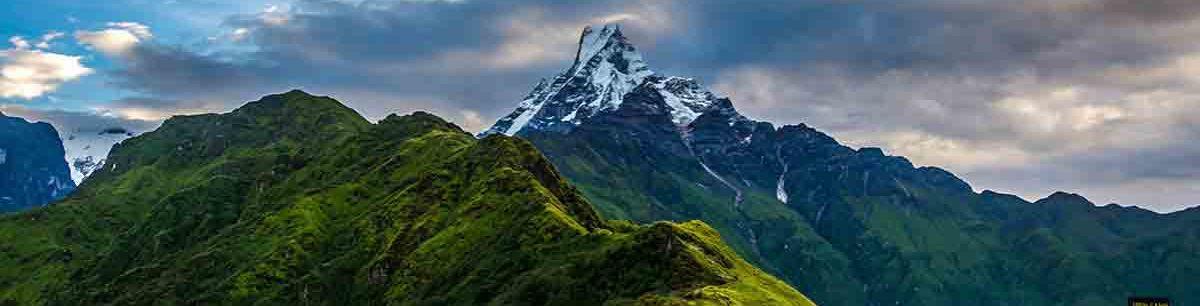
Climbing Lobuche Peak: 7 Brutal Challenges You Shouldn’t Underestimate

Climbing Lobuche Peak is one of the most thrilling and rewarding mountaineering experiences in Nepal’s Everest region. Standing at an impressive 6,119 meters, this Himalayan giant attracts trekkers and climbers looking to step beyond trekking into real alpine climbing. While often categorized as a “trekking peak,” Lobuche Peak is far from easy. It combines high altitude, technical terrain, and unpredictable weather—making it a serious challenge even for experienced adventurers.

Many climbers underestimate Lobuche Peak, assuming it is similar to other trekking peaks like Island Peak or Mera Peak. However, the reality is quite different. The climb tests not only your physical endurance but also your technical skills, mental strength, and ability to adapt to extreme environments.

In this article, we’ll explore the 7 brutal challenges of climbing Lobuche Peak that you should never underestimate—and how to prepare for each one.


 Extreme High Altitude and Thin Air

The first and most significant challenge of climbing Lobuche Peak is its altitude. At over 6,100 meters, oxygen levels are roughly half of what they are at sea level, making even simple movements exhausting.

At such heights, your body struggles to function normally. Breathing becomes difficult, your heart rate increases, and fatigue sets in quickly. Even basic tasks like putting on gloves or drinking water can feel like a major effort.

Altitude sickness is a real danger here. Symptoms such as headaches, nausea, dizziness, and shortness of breath can escalate into life-threatening conditions if ignored.

How to prepare:

  • Follow a proper acclimatization schedule
  • Stay hydrated and maintain a slow pace
  • Listen to your body and descend if symptoms worsen

 Technical Climbing Sections

Despite being labeled a trekking peak, Lobuche involves technical climbing—especially near the summit. Climbers must navigate steep snow and ice slopes, often at angles of 45–50 degrees.

The final section before the summit includes a challenging ice wall where fixed ropes are used for safety. This requires knowledge of equipment like crampons, ice axes, harnesses, and jumars.

For beginners, this can be intimidating and physically demanding. Without proper technique, even a small mistake can be dangerous.

How to prepare:

  • Take a basic mountaineering course
  • Practice using climbing gear before the expedition
  • Always follow your guide’s instructions

 Long and Exhausting Summit Day

Summit day on Lobuche Peak is not just challenging—it’s brutal. Climbers typically start around midnight and spend 8–10 hours ascending and descending.

The climb from high camp to the summit involves a significant elevation gain, and every step feels heavier due to the altitude. By the time you reach the summit ridge, exhaustion can be overwhelming.

Descending is equally dangerous because fatigue increases the risk of slips and mistakes.

How to prepare:

  • Build strong cardiovascular endurance
  • Train with long hikes carrying a backpack
  • Focus on stamina rather than just strength

 Steep and Rocky Terrain

The route to Lobuche Peak is filled with steep, rocky, and uneven terrain. From the approach to base camp to the climb toward high camp, the trail demands careful footing and balance.

Loose rocks, moraine paths, and glacier crossings make the journey physically taxing. Even before the technical climbing begins, the trek itself can drain your energy.

How to prepare:

  • Train on uneven and rocky trails
  • Improve balance and leg strength
  • Use trekking poles for stability

 Harsh Weather Conditions

The Himalayan weather is unpredictable and often extreme. Temperatures on Lobuche Peak can drop to -20°C or lower, with wind chills making it feel even colder.

Strong winds, sudden snowstorms, and rapidly changing conditions can turn a manageable climb into a dangerous situation. Exposure to cold can lead to frostbite and hypothermia.

How to prepare:

  • Pack high-quality cold-weather gear
  • Monitor weather forecasts closely
  • Be flexible with your schedule

 Mental and Psychological Challenges

Climbing Lobuche Peak is not just a physical test—it’s a mental battle. The exposure on narrow ridges, steep drops, and the constant risk of falling can create intense fear and anxiety.

Fatigue, cold, and altitude can also affect your decision-making and motivation. Many climbers struggle with self-doubt, especially during the final push to the summit.

How to prepare:

  • Build mental resilience through training
  • Stay focused and calm under pressure
  • Break the climb into small, manageable goals

 Risk of Altitude-Related Illness and Injuries

Beyond general altitude sickness, Lobuche Peak poses risks of severe conditions like HAPE (High Altitude Pulmonary Edema) and HACE (High Altitude Cerebral Edema).

Additionally, the combination of ice, snow, and rock increases the risk of slips, falls, and injuries. Glacier sections may also contain hidden crevasses, adding another layer of danger.

How to prepare:

  • Carry a first aid kit and essential medications
  • Travel with experienced guides
  • Ensure proper insurance and emergency plans

Why Lobuche Peak Is More Challenging Than It Looks

Lobuche Peak is often misunderstood as an “easy Himalayan climb.” In reality, it is graded PD to AD in alpine difficulty, meaning it requires both physical endurance and technical ability.

Unlike simple trekking peaks, Lobuche combines:

  • High altitude exposure
  • Technical climbing sections
  • Harsh environmental conditions

This combination makes it one of the most demanding trekking peaks in Nepal.


Essential Tips for a Successful Lobuche Peak Climb

To overcome these brutal challenges, preparation is key. Here are some essential tips:

1. Physical Training

Focus on cardio, strength, and endurance training for at least 2–3 months before your climb.

2. Gain Prior Experience

Climb smaller peaks or complete high-altitude treks like Everest Base Camp to build confidence.

3. Acclimatize Properly

Never rush your ascent. Proper acclimatization can make the difference between success and failure.

4. Use Professional Guides

Experienced guides provide safety, technical support, and local knowledge.

5. Invest in Quality Gear

Good equipment is essential for safety and comfort in extreme conditions.


Final Thoughts

Climbing Lobuche Peak is an unforgettable adventure that offers breathtaking views of Everest, Lhotse, Nuptse, and Ama Dablam. But behind its beauty lies a series of brutal challenges that demand respect, preparation, and determination.

From the thin air at extreme altitude to the steep technical sections and unpredictable weather, Lobuche Peak pushes climbers to their limits. It is not just a climb—it’s a test of endurance, skill, and mental strength.

If you approach it with the right mindset and preparation, Lobuche Peak can be one of the most rewarding achievements of your life.

Quick Inquiry Form

FAQs: About Lobuche Peak Climbing

After Island Peak, Lobuche East Peak is the second most conspicuous peak to pierce the Himalayan mountaineering experience. However, as it is a technically challenging trekking mountain, it demands good climbing skills and you must come prepared to climb. The Lobuche Climb is a difficult climb that should not be taken lightly. You should be familiar with the use of crampons and ropes in order to stay safe on the mountain.

Contact Us For Lobuche Peak Climbing Package

Lobuche Peak Climbing

With two significant peaks, Lobuche East (6,119m) and Lobuche West (6,114m), joined by a knife-edge ridge, Lobuche, which stands at 6,119m, is situated along the most well-traveled trekking route in Nepal. The most well-known trekking peak is the Lobuche Peak Climb, which is situated above the Lobuche village in the Khumbu region close to Mount Everest. For climbers, the summit is not technically challenging: it is graded as PD+. It provides unparalleled views of Mount Everest because it is the nearest “Trekking Peak” to the mountain. The mountain is a short detour from this well-known trip and is located just west of the main Everest Base Camp route. Everest climbers frequently ascend Lobuche Peak as a practice summit before attempting the highest peak in the world

Contact Us For Lobuche Peak Climbing Package

Lobuche Peak Climbing: Route Overview

The Lobuche Peak Climbing Route begins with a quick 30-minute flight from Kathmandu to Lukla. Trekkers will travel through forested hills, rocky terrain, and the foothills of mountains covered in snow. The following day, we begin our walk to Phakding and Namche Bazaar. We travel through lush flora while taking in the surrounding mountains before arriving at Namche Bazaar, the area’s main shopping district. We hike from Namche to Tengboche to see the historic Tengboche monastery. After there, the trail leads to Dingboche, where we can acclimatize to avoid altitude sickness before continuing on to Lobuche over the Kongma La Pass (5536m).

Contact Us For Lobuche Peak Climbing Package

Lobuche Peak Route Map

When to go to Lobuche Peak: Best Season

The best times to climb the Lobuche peak are from March to May (spring season) and from September to November (autumn season), when climbing conditions are at their most optimal. Nevertheless, because the spring has more recently fallen snow than the autumn, climbers prefer to climb in the autumn more often than the spring. It is far more difficult to clear the trail in the spring than in the fall. On the other hand, the autumn has always been a peak climbing and hiking season with high success rates. The majority of the time, the weather is pleasant, with a clear blue sky and warm temperatures.

Contact Us For Lobuche Peak Climbing Package

Exercise to prepare for Lobuche Peak climbing

Climbing is a wonderful full-body workout that improves flexibility, balance, strength, and endurance. Climbing is therefore the greatest approach to become ready for mountaineering. Similar to rock climbing, ice climbing requires solid understanding for Lobuche Peak Climbing. Rock climbing is a terrific workout for ascending Lobuche Peak because it mostly engages the muscles in your hands and feet. In contrast, ice climbing will improve your understanding of how to use equipment and tools and the fundamental climbing techniques. The main focus of this curriculum is learning how to use equipment such as an ice axe, crampons, lightweight mountaineering harness, carabiners, and other necessary gear.

Contact Us For Lobuche Peak Climbing Package

Lobuche Peak Climbing: Accommodation

The package price includes all of the lodging included in the itinerary. For your comfort and protection, we have selected 2 or 3 star hotels in the cities. Upon your request, the hotels can be upgraded to more upscale ones. Our guides will select the best accessible lodge of the hamlet when walking or climbing in the Mountain based on their prior experiences. You might have to share a room during the busiest trekking seasons, such as the spring and fall, because some settlements only have a small number of lodges. For the days spent climbing, a cozy two-person tent with a mattress and a four-season sleeping bag will be provided.

Contact Us For Lobuche Peak Climbing Package

Lobuche Peak Climbing: Cost

The cost of climbing Lobuche Peak varies on the route taken and the amenities found along the way. But according to the 16-day Lobuche Peak Climbing Itinerary, the average price starts at USD $2350 per person. This price covers everything from lodging to travel.

Contact Us For Lobuche Peak Climbing Package

Lobuche Peak Climbing: Required Permits

The mandatory permits we need are the Khumbu Pasang Lhamu Rural Entrance Permit, the Sagarmatha National Park Permit (SNP), the Lobuche East Peak Climbing, and the Garbage Deposit Fee.

  • Khumbu permit costs NPR 2000 (Foreigners), NPR 1000 (SAARC)
  • SNP permit costs NPR 3000 (Foreigners), NPR 1500 (SAARC)

Lobuche East Peak cost as per different seasons:

  • Spring (March-May): US$ 250 per person
  • Autumn (September-November): US$ 125 per person
  • Summer (June-August) & Winter (December-February): US$ 70/person

Garbage Deposit Fee costs US$ 500 (Refundable)

The following documents are required for Lobuche Peak Climbing Permit:

  • Passport-sized photos
  • Photocopy of Passport
  • Nepali currency (NPR)
  • Application forms
  • Travel Insurance 

Contact Us For Lobuche Peak Climbing Package

Lobuche Peak Climbing Itinerary

Day 01: Arrival Kathmandu – Altitude: 1,350m/4,428ft.

Day 02: Fly to Lukla – Altitude: 2,800m/9,184ft | Trek to Phakding – Altitude: 2,652m/8,700ft | Flight: 30 min | Trek: 3-4 hrs
Meal: BLD

Day 03: Namche Bazaar – Altitude: 3,440m/11,283ft | Trek:5-6 hours.
Meal: BLD

Day 04: Namche Bazaar – Acclimatization.
Meal: BLD

Day 05: Namche Bazaar to Tengboche – Altitude: 3,870m/12,694ft | Trek: 5- 6 hours.
Meal: BLD

Day 06: Dingboche – Altitude: 4,360 m/14,300 ft | Trek: 5-6 hours.
Meal: BLD

Day 07: Dingboche: Acclimatization.
Meal: BLD

Day 08: Lobuche – Altitude: 4940 m/16,207 ft | Trek: 5-6 hours.
Meal: BLD

Day 09: Lobuche lower base camp 4865 m.
Meal: BLD

Day 10: Lobuche to High Camp – Altitude: 5,400m/17,712ft | Trek: 3-4 hours.
Meal: BLD

Day 11: Summit Day – Altitude: 6119m/20,070 ft and back to High Camp | Trek: 8-10 hours.
Meal: BLD

Day 12: Pangboche – Altitude: 3930m /12900 ft | Trek: 8-9 hours.
Meal: BLD

Day 13: Namche Bazaar | Trek: 4-5 hours.
Meal: BLD

Day 14: Lukla | Trek: 6-7 hours.
Meal: BLD

Day 15: Fly to Kathmandu.
Meal: B

Day 16: Final departure

Contact Us For Lobuche Peak Climbing Package

Lobuche Peak Climbing FAQs

How hard is Lobuche Peak?

The trail from Lobuche village to the summit is extremely steep and rocky. As a result, the climb to Lobuche Base Camp is exhausting. However, you must trek for 8-10 hours on the day of the summit. Climbing the steep stone terraces and snowy slopes above base camp is difficult.

How tall is lobuche?

Lobuche Peal is 6,119 m above sea level.

Where is Lobuche?

Lobuche (also Lobuje) is a small village in Nepal’s Khumbu region near Mount Everest. When attempting an ascent of Everest via the traditional southeast route, it is one of the last overnight stops with lodging on the “path to base camp,” a journey that climbers make on their approach to Everest Base Camp (South).

What is the best month to climb Lobuche Peak?

The best time to climb Lobuche Peak is Spring (March-May) and Autumn (September- November).

Can you see Everest from Lobuche?

Lobuche Peak, at 6,119 meters (20,075 feet) above sea level, provides a breathtaking sight. The Everest Region can be seen from the peak of Lobuche, which offers amazing panoramic views.

How long does it take to climb Lobuche?

Peak Climbing session is of about 8-9 hrs. however the total itinerary takes about 16-18 days.

How much does it cost to climb Lobuche peak?

It costs USD 2350 per person to climb the Lobuche East Peak for 16 days. The price covers the price of lodging, meals, and other services like high altitude tents, tenting while camping, and other items as listed in the Includes section

Feel Free To Contact Us