
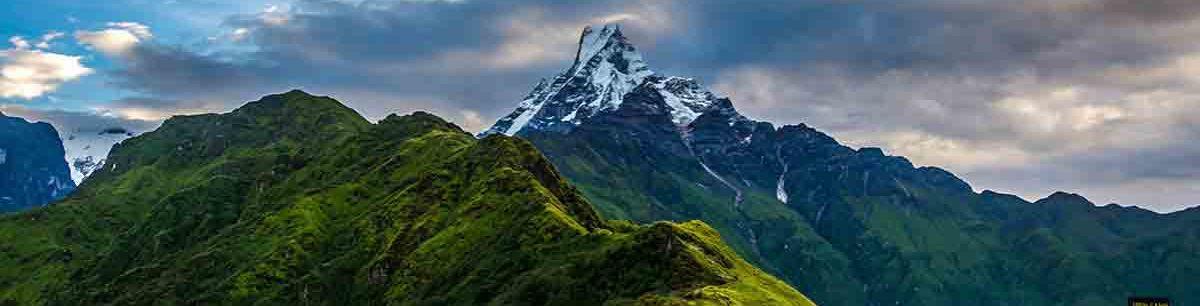

Climbing Lobuche Peak is one of the most thrilling and rewarding mountaineering experiences in Nepal’s Everest region. Standing at an impressive 6,119 meters, this Himalayan giant attracts trekkers and climbers looking to step beyond trekking into real alpine climbing. While often categorized as a “trekking peak,” Lobuche Peak is far from easy. It combines high altitude, technical terrain, and unpredictable weather—making it a serious challenge even for experienced adventurers.
Many climbers underestimate Lobuche Peak, assuming it is similar to other trekking peaks like Island Peak or Mera Peak. However, the reality is quite different. The climb tests not only your physical endurance but also your technical skills, mental strength, and ability to adapt to extreme environments.
In this article, we’ll explore the 7 brutal challenges of climbing Lobuche Peak that you should never underestimate—and how to prepare for each one.
Extreme High Altitude and Thin Air
The first and most significant challenge of climbing Lobuche Peak is its altitude. At over 6,100 meters, oxygen levels are roughly half of what they are at sea level, making even simple movements exhausting.
At such heights, your body struggles to function normally. Breathing becomes difficult, your heart rate increases, and fatigue sets in quickly. Even basic tasks like putting on gloves or drinking water can feel like a major effort.
Altitude sickness is a real danger here. Symptoms such as headaches, nausea, dizziness, and shortness of breath can escalate into life-threatening conditions if ignored.
How to prepare:
- Follow a proper acclimatization schedule
- Stay hydrated and maintain a slow pace
- Listen to your body and descend if symptoms worsen
Technical Climbing Sections
Despite being labeled a trekking peak, Lobuche involves technical climbing—especially near the summit. Climbers must navigate steep snow and ice slopes, often at angles of 45–50 degrees.
The final section before the summit includes a challenging ice wall where fixed ropes are used for safety. This requires knowledge of equipment like crampons, ice axes, harnesses, and jumars.
For beginners, this can be intimidating and physically demanding. Without proper technique, even a small mistake can be dangerous.
How to prepare:
- Take a basic mountaineering course
- Practice using climbing gear before the expedition
- Always follow your guide’s instructions
Long and Exhausting Summit Day
Summit day on Lobuche Peak is not just challenging—it’s brutal. Climbers typically start around midnight and spend 8–10 hours ascending and descending.
The climb from high camp to the summit involves a significant elevation gain, and every step feels heavier due to the altitude. By the time you reach the summit ridge, exhaustion can be overwhelming.
Descending is equally dangerous because fatigue increases the risk of slips and mistakes.
How to prepare:
- Build strong cardiovascular endurance
- Train with long hikes carrying a backpack
- Focus on stamina rather than just strength
Steep and Rocky Terrain
The route to Lobuche Peak is filled with steep, rocky, and uneven terrain. From the approach to base camp to the climb toward high camp, the trail demands careful footing and balance.
Loose rocks, moraine paths, and glacier crossings make the journey physically taxing. Even before the technical climbing begins, the trek itself can drain your energy.
How to prepare:
- Train on uneven and rocky trails
- Improve balance and leg strength
- Use trekking poles for stability
Harsh Weather Conditions
The Himalayan weather is unpredictable and often extreme. Temperatures on Lobuche Peak can drop to -20°C or lower, with wind chills making it feel even colder.
Strong winds, sudden snowstorms, and rapidly changing conditions can turn a manageable climb into a dangerous situation. Exposure to cold can lead to frostbite and hypothermia.
How to prepare:
- Pack high-quality cold-weather gear
- Monitor weather forecasts closely
- Be flexible with your schedule
Mental and Psychological Challenges
Climbing Lobuche Peak is not just a physical test—it’s a mental battle. The exposure on narrow ridges, steep drops, and the constant risk of falling can create intense fear and anxiety.
Fatigue, cold, and altitude can also affect your decision-making and motivation. Many climbers struggle with self-doubt, especially during the final push to the summit.
How to prepare:
- Build mental resilience through training
- Stay focused and calm under pressure
- Break the climb into small, manageable goals
Risk of Altitude-Related Illness and Injuries
Beyond general altitude sickness, Lobuche Peak poses risks of severe conditions like HAPE (High Altitude Pulmonary Edema) and HACE (High Altitude Cerebral Edema).
Additionally, the combination of ice, snow, and rock increases the risk of slips, falls, and injuries. Glacier sections may also contain hidden crevasses, adding another layer of danger.
How to prepare:
- Carry a first aid kit and essential medications
- Travel with experienced guides
- Ensure proper insurance and emergency plans
Why Lobuche Peak Is More Challenging Than It Looks
Lobuche Peak is often misunderstood as an “easy Himalayan climb.” In reality, it is graded PD to AD in alpine difficulty, meaning it requires both physical endurance and technical ability.
Unlike simple trekking peaks, Lobuche combines:
- High altitude exposure
- Technical climbing sections
- Harsh environmental conditions
This combination makes it one of the most demanding trekking peaks in Nepal.
Essential Tips for a Successful Lobuche Peak Climb
To overcome these brutal challenges, preparation is key. Here are some essential tips:
1. Physical Training
Focus on cardio, strength, and endurance training for at least 2–3 months before your climb.
2. Gain Prior Experience
Climb smaller peaks or complete high-altitude treks like Everest Base Camp to build confidence.
3. Acclimatize Properly
Never rush your ascent. Proper acclimatization can make the difference between success and failure.
4. Use Professional Guides
Experienced guides provide safety, technical support, and local knowledge.
5. Invest in Quality Gear
Good equipment is essential for safety and comfort in extreme conditions.
Final Thoughts
Climbing Lobuche Peak is an unforgettable adventure that offers breathtaking views of Everest, Lhotse, Nuptse, and Ama Dablam. But behind its beauty lies a series of brutal challenges that demand respect, preparation, and determination.
From the thin air at extreme altitude to the steep technical sections and unpredictable weather, Lobuche Peak pushes climbers to their limits. It is not just a climb—it’s a test of endurance, skill, and mental strength.
If you approach it with the right mindset and preparation, Lobuche Peak can be one of the most rewarding achievements of your life.