
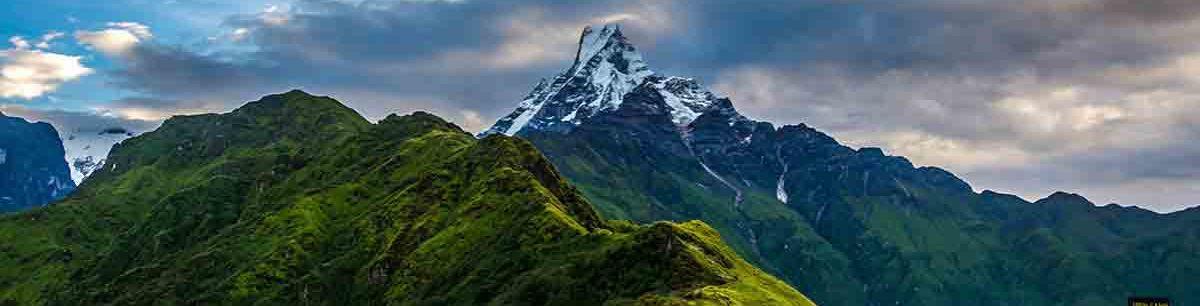

The Kailash Mansarovar Yatra is one of the most sacred and challenging pilgrimages in the world. Every year, thousands of devotees from India and around the globe undertake this spiritual journey to Mount Kailash and Lake Mansarovar, considered the abodes of divinity in Hinduism, Buddhism, Jainism, and Bon. For pilgrims, the Yatra is not just a travel experience—it is a profound spiritual quest promising blessings, purification, and self-transformation.
Planning this journey in 2026 requires careful preparation. Changes in travel regulations, updated permit processes, and logistics make advance planning essential. This guide explains how to plan a successful Kailash Mansarovar Yatra in 2026, covering route options, travel requirements, physical preparation, budget considerations, and spiritual guidance.
Why the Kailash Mansarovar Yatra Is Special
Mount Kailash is considered sacred across multiple religions:
- Hinduism: Abode of Lord Shiva
- Buddhism: Home of Demchok (Chakrasamvara)
- Jainism: Site where Rishabhadeva attained liberation
- Bon: Center of spiritual universe and meditation
Lake Mansarovar, nearby, is believed to cleanse sins and grant spiritual merit. A journey to this region combines awe-inspiring natural beauty—snow-capped peaks, glaciers, and pristine lakes—with a deep spiritual purpose.
Understanding the Routes to Kailash Mansarovar in 2026
There are three main routes for the Yatra:
The Lipulekh Pass Route (India to Tibet)
- The most popular option for Indian pilgrims
- Passes through Uttarakhand (India) → Lipulekh → Tibet → Kailash
- Approximate duration: 14–16 days
- Suitable for moderate to experienced trekkers
Advantages:
- Shorter overland distance from India
- Well-established infrastructure
- Managed by Indian government Yatra organizers
Considerations:
- Altitude reaches 5,200 m at Lipulekh
- Requires physical preparation for long treks and high-altitude conditions
Nathu La Pass Route (Sikkim → Tibet)
- Alternative route primarily for Sikkim pilgrims
- Duration: 16–18 days
- Scenic Himalayan landscapes and Tibetan culture
Advantages:
- Lesser crowd compared to Lipulekh route
- Offers cultural immersion in Tibetan monasteries
Considerations:
- Fewer medical and logistical facilities
- Requires additional permits
Kathmandu to Nepal–Tibet Route
- Popular for international travelers
- Travel from Kathmandu → Nepalgunj → Tibet → Kailash
- Duration: 18–22 days including acclimatization
Advantages:
- International accessibility
- Opportunity to visit Mount Everest region or Lumbini before or after the Yatra
Considerations:
- Longer journey
- Requires additional travel documents and permits
Key Travel Requirements for 2026
To undertake the Kailash Mansarovar Yatra safely and legally, travelers must follow government regulations:
- Entry Permits:
- Indian citizens require the official Kailash Mansarovar Yatra permit issued by the Ministry of External Affairs.
- International pilgrims need a Tibet Travel Permit (TTB) issued through an authorized travel agency.
- Visa Requirements:
- Indian citizens: No visa required for Tibet; only permit necessary
- International travelers: Chinese visa required for Tibet, processed via travel agencies
- Travel Insurance:
- Mandatory for high-altitude medical coverage
- Must include emergency evacuation
- Medical Clearance:
- Required for age limits (typically 18–75)
- Must be medically fit to trek at high altitude
Physical Preparation and Health Considerations
The Kailash Mansarovar Yatra involves trekking at altitudes above 5,000 meters, crossing mountain passes, and enduring extreme weather. Preparation is crucial.
Fitness Preparation
- Cardiovascular training: running, cycling, brisk walking
- Strength training: legs, core, back
- Hiking with backpacks at moderate elevation
Acclimatization Tips
- Schedule acclimatization days at Darchen, Saga, or Nyalam
- Ascend slowly to prevent Acute Mountain Sickness (AMS)
- Hydrate frequently and eat light meals
Essential Health Items
- Oxygen cylinders or concentrators (optional but recommended)
- Altitude sickness medication (consult doctor)
- First aid kit and trekking poles
When to Undertake the Yatra in 2026
The best months for the Kailash Mansarovar Yatra are May to September, depending on route and weather:
- Spring (May–June): Mild temperatures, fewer landslides, ideal for pilgrims
- Monsoon Season (July–August): Risk of landslides; less popular
- Autumn (September): Clear skies, excellent mountain visibility
Winter months (November–March) are typically not recommended due to heavy snowfall and extreme cold.
Accommodation and Logistics
Accommodation along the Yatra is basic, primarily guesthouses, tents, and dharamshalas. Modern amenities may be limited in remote areas, especially at Darchen or near Lake Mansarovar.
Packing Essentials
- Warm clothing and layered outfits
- Sturdy trekking boots and gaiters
- Sleeping bags suitable for sub-zero temperatures
- Portable water purification and snacks
Food and Water
- Meals generally include simple vegetarian dishes
- Carry energy bars, dry fruits, and electrolyte powders
- Water bottles must be filtered or boiled
Spiritual Practices During the Yatra
The Yatra is as much about spiritual reflection as physical trekking:
- Parikrama (Circumambulation): Circumambulate Mount Kailash clockwise (approximately 52 km), usually in 3 days
- Prayers and Meditation: Daily spiritual rituals at monasteries and sacred sites
- Bathing in Lake Mansarovar: Considered purifying and spiritually rewarding
- Offering Ceremonies: Light butter lamps, chant mantras, and make symbolic offerings
Participating in these practices deepens the pilgrim’s connection to the sacred landscape.
Budget Planning for Kailash Mansarovar Yatra 2026
Costs vary depending on route, duration, and service level:
| Expense | Approximate Cost (INR / USD) |
| Yatra Permit | ₹35,000–₹45,000 (~$450–$550) for Indian pilgrims |
| Tibet Travel Permit (International) | $200–$300 |
| Flights (Kathmandu / Delhi to Nepalgunj / Lhasa) | ₹15,000–₹35,000 (~$180–$420) |
| Accommodation & Meals | ₹500–₹2,500/day (~$6–$30) |
| Trekking Assistance (Guide/Porter) | ₹1,500–₹3,500/day (~$18–$45) |
| Miscellaneous (gear, medical, insurance) | ₹10,000–₹20,000 (~$120–$250) |
Average cost for a 15–18 day Yatra:
- Budget pilgrims: ₹1.5–₹2.0 lakhs (~$1,800–$2,400)
- Mid-range: ₹2.5–₹3.5 lakhs (~$3,000–$4,200)
- Luxury packages: ₹4.0 lakhs+ (~$4,800+)
Tips for a Successful Yatra
- Book Early: Permits and flights fill quickly, especially in peak season.
- Travel With Trusted Agencies: Authorized tour operators handle permits, guides, and logistics.
- Carry Cash: ATMs are scarce; currency exchange is limited in remote areas.
- Respect Local Customs: Offer prayers, remove shoes in monasteries, follow environmental guidelines.
- Prepare for Emergencies: Know evacuation routes and carry essential medication.
- Group Travel Benefits: Travel in groups for safety, shared guidance, and porter support.
The Transformative Experience of Kailash Mansarovar
Completing the Kailash Mansarovar Yatra is physically challenging, yet many pilgrims describe it as life-changing. Visitors often report:
- Mental clarity and spiritual awakening
- Increased resilience and patience
- Sense of humility and connectedness with nature
- Strengthened devotion and faith
The combination of majestic mountains, sacred sites, and serene landscapes creates an unparalleled spiritual journey.
Conclusion: Planning Your 2026 Kailash Mansarovar Yatra
A successful Kailash Mansarovar Yatra in 2026 requires preparation, awareness, and intention. From choosing the right route—Lipulekh, Nathu La, or Nepal-Tibet—to securing permits, preparing physically, and understanding the cultural and spiritual significance, every step matters.
This pilgrimage is more than a trek—it is a journey into the heart of devotion, resilience, and inner transformation. With careful planning and respect for local traditions, your 2026 Yatra can be safe, fulfilling, and spiritually enriching.
Nepal and Tibet await those ready to walk the path of the gods and witness the grandeur of Mount Kailash and Lake Mansarovar. Plan wisely, journey humbly, and embrace the blessings that await on this sacred path.
