
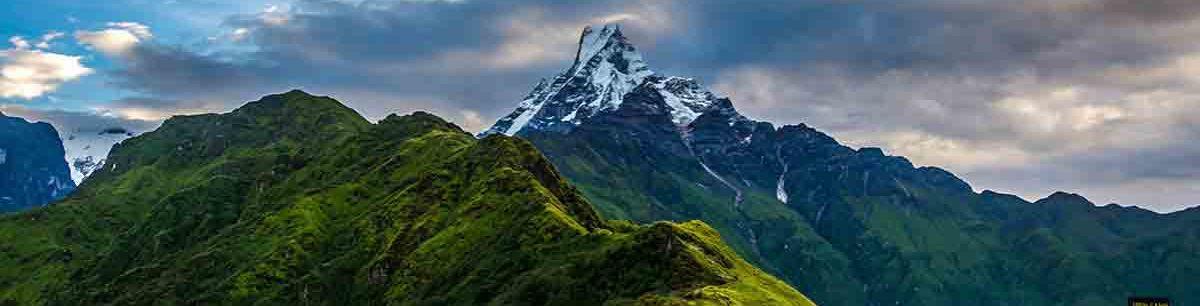

Island Peak (6,189 m), also known as Imja Tse, is one of Nepal’s most popular trekking peaks and a powerful milestone for climbers transitioning from high-altitude trekking to technical mountaineering. In recent years, it has also become an increasingly sought-after objective for solo female travelers seeking independence, personal challenge, and empowerment in the Himalayas.
This comprehensive guide is designed specifically for women planning a solo journey to Island Peak. It covers safety, preparation, permits, logistics, training, cultural considerations, and practical advice to help you approach the climb with confidence and clarity.
Why Island Peak Is Ideal for Solo Female Climbers
Island Peak offers a rare balance between accessibility and genuine mountaineering challenge. Located in the Everest region, the route benefits from well-established trekking infrastructure, experienced local guides, and a steady flow of climbers during peak seasons.
For solo female travelers, Island Peak provides several advantages:
- Established and safe trekking routes with teahouses and lodges
- Strong support network of certified Sherpa guides and climbing crews
- Moderate technical difficulty, suitable for first-time peak climbers
- Cultural exposure to Sherpa communities and Himalayan life
- Flexibility to join small climbing teams while traveling independently
Many women choose Island Peak because it allows independent travel while still offering professional support where necessary, particularly above base camp.
Is It Safe for Solo Female Travelers?
Safety is the most common and valid concern for women traveling alone in the Himalayas. Overall, Nepal—especially the Everest region—is considered safe for solo female travelers, provided sensible precautions are taken.
Trekking and Cultural Safety
The Khumbu region is accustomed to international visitors, including solo women. Teahouse owners, guides, and porters are generally respectful and supportive. Violent crime against tourists is extremely rare in this area.
Key safety observations:
- Teahouse trekking routes are busy during climbing seasons
- Local communities are conservative but hospitable
- Harassment is uncommon, especially compared to many global destinations
Mountain Safety
The primary risks are not social but environmental:
- Altitude sickness
- Weather changes
- Glacier travel hazards
- Physical fatigue
These risks apply equally to all climbers and are best managed through proper acclimatization, training, and hiring a licensed guide for the summit push.
Do You Need a Guide as a Solo Female Climber?
While trekking to Island Peak Base Camp can be done independently by experienced trekkers, a guide is strongly recommended—and effectively mandatory—for the climbing section.
Reasons to hire a guide include:
- Safe navigation of glaciers and crevasse zones
- Rope fixing and use of fixed lines
- Weather and route decision-making
- Emergency response capability
- Cultural and logistical support
Many solo female travelers choose to trek independently to Chhukung and then join a guided Island Peak climbing group for the ascent. This hybrid approach balances independence with safety.
Physical Fitness and Training Requirements
Island Peak is not just a trek; it is a high-altitude climb requiring stamina, strength, and mental resilience.
Recommended Training (3–6 Months Prior)
- Cardiovascular endurance (hiking, stair climbing, cycling)
- Leg and core strength training
- Practice hikes with a loaded backpack
- Basic mountaineering skills if possible
- Mental conditioning for cold, altitude, and long summit days
Technical Skills
While advanced climbing experience is not mandatory, familiarity with the following is beneficial:
- Using crampons
- Walking with an ice axe
- Ascending fixed ropes with a jumar
- Descending using a figure-eight or ATC device
Most reputable operators provide pre-climb training at base camp.
Best Time for Solo Female Travel to Island Peak
Timing plays a critical role in safety and overall experience.
Spring (April–May)
- Most popular season
- Stable weather and warmer temperatures
- Crowded but highly supportive environment
Autumn (September–November)
- Clear skies and excellent visibility
- Cooler temperatures than spring
- Slightly fewer climbers
Seasons to Avoid
- Monsoon (June–August): heavy rain, poor visibility
- Winter (December–February): extreme cold and high winds
For solo female climbers, peak seasons are recommended due to increased trail activity and logistical support.
Permits and Documentation
To climb Island Peak, you will need the following permits:
- Sagarmatha National Park Entry Permit
- Khumbu Pasang Lhamu Rural Municipality Permit
- Island Peak Climbing Permit issued by the Nepal Mountaineering Association (NMA)
These permits are typically arranged by your trekking or climbing agency, reducing administrative burden for solo travelers.
Packing List Tailored for Solo Female Climbers
Packing smartly is essential, especially when traveling independently.
Clothing and Gear
- High-quality down jacket and insulated pants
- Waterproof shell jacket and trousers
- Thermal base layers
- Mountaineering boots compatible with crampons
- Gloves (liner, insulated, and shell layers)
Personal Essentials
- Female hygiene products (limited availability on trail)
- Personal medication and first-aid kit
- Headlamp with spare batteries
- Power bank or solar charger
Safety and Comfort
- Sleeping bag rated to -20°C
- UV-protection sunglasses
- Sunscreen and lip balm
- Trekking poles
Most technical gear can be rented in Kathmandu if you prefer not to carry everything.
Accommodation and Food on the Route
The Island Peak route follows the classic Everest Base Camp trail up to Dingboche before diverting toward Chhukung.
Teahouse Accommodation
- Simple but comfortable lodges
- Shared rooms with twin beds
- Common dining areas
- Female travelers often receive private rooms when available
Food
- Dal bhat (rice, lentils, vegetables)
- Pasta, noodles, soups, and eggs
- Vegetarian meals are widely available and recommended at altitude
Maintaining nutrition and hydration is critical for altitude adaptation.
Cultural Awareness for Solo Female Travelers
Nepalese culture is respectful and modest, particularly in rural areas.
Helpful cultural tips:
- Dress modestly in villages
- Avoid public displays of affection
- Ask before taking photos of people
- Use polite greetings such as “Namaste”
Respecting local customs enhances safety and builds positive interactions.
Mental Strength and Solo Travel Confidence
Climbing Island Peak solo is as much a mental journey as a physical one. Moments of doubt are natural, especially at altitude.
Strategies to stay mentally strong:
- Set realistic expectations
- Listen to your body
- Communicate openly with your guide
- Focus on progress, not speed
- Remember your reason for climbing
Many solo female climbers describe the summit of Island Peak as a life-changing moment of clarity and empowerment.
Cost Breakdown for Solo Female Island Peak Travel
Costs vary depending on services and season.
Typical expenses include:
- Trekking and climbing package: USD 2,200–3,500
- Personal gear rental: USD 150–300
- Tips for guide and porter
- International and domestic flights
Joining a small group for the climbing section can significantly reduce costs while maintaining safety.
Final Thoughts: Is Island Peak Worth It for Solo Female Travelers?
Absolutely. Solo female travel to Island Peak is not only feasible but deeply rewarding. With proper planning, the right mindset, and professional support where needed, Island Peak offers a safe, challenging, and transformative Himalayan experience.
For independent women seeking more than a trek—for those looking to test resilience, build confidence, and stand atop a Himalayan summit—Island Peak is an exceptional choice.