
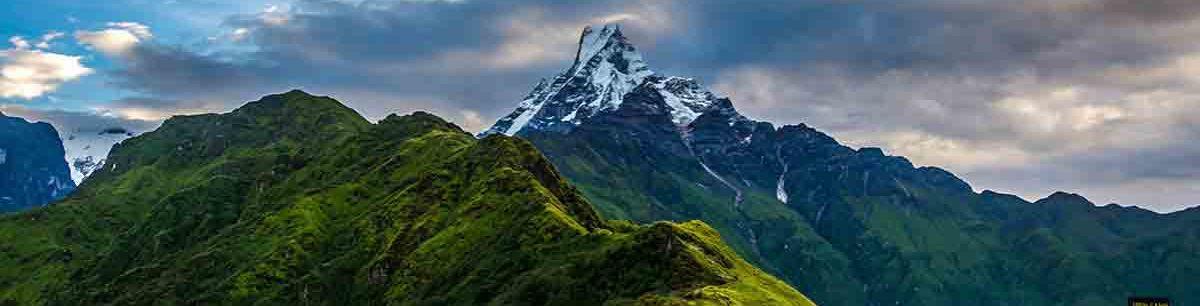

Honey hunting in Nepal is one of the world’s last surviving high-risk ancestral traditions. Practiced for centuries by indigenous communities in the Himalayan foothills, this extreme activity involves harvesting wild honey from towering cliffs using handmade rope ladders, smoke, and extraordinary courage. As interest in authentic adventure travel continues to rise, honey hunting in Nepal 2026 is gaining global attention among explorers, photographers, and cultural travelers.
This complete guide explains everything you need to know—history, locations, best season, safety, cost, and how travelers can responsibly witness this rare experience.
What Is Honey Hunting in Nepal?
Honey hunting in Nepal is the traditional method of collecting wild honey produced by Apis laboriosa, the world’s largest honeybee species. These giant bees build enormous hives on sheer Himalayan cliffs, often hundreds of meters above river valleys.
Unlike modern beekeeping, Nepalese honey hunting is:
- Performed without protective gear
- Conducted on vertical cliffs
- Guided by spiritual rituals
- Passed down through generations
As a result, it remains one of the most dangerous forms of food harvesting on Earth.
Cultural and Historical Significance
The Gurung and Magar Communities
The practice is primarily carried out by the Gurung and Magar ethnic groups of central and western Nepal. For these communities, honey hunting is not merely an occupation—it is a sacred cultural event.
Before the hunt begins, elders perform rituals to appease forest spirits and mountain deities. Therefore, honey hunting represents a deep connection between humans, nature, and spirituality.
A Tradition Under Threat
However, modernization, migration, and environmental change are putting this tradition at risk. Consequently, controlled tourism in 2026 plays a critical role in preserving honey hunting while providing income to local communities.
Where Does Honey Hunting Take Place in Nepal?
Some of the most famous honey hunting regions include:
1. Annapurna Foothills
- Near Lamjung and Kaski districts
- Most accessible and well-documented area
- Ideal for guided cultural tours
2. Manaslu Region
- Remote and less commercialized
- Authentic tribal participation
- Best for serious adventure travelers
3. Bhairabsthan & Rolpa
- Rugged terrain
- Rarely visited by tourists
- Strong shamanic traditions
Each location offers a different level of accessibility, risk, and cultural immersion.
Best Time for Honey Hunting in Nepal 2026
The best season for honey hunting in Nepal is:
✅ Spring (April–May)
- Primary honey harvesting season
- High cliff activity
- Mild weather conditions
⚠️ Autumn (September–October)
- Secondary harvest
- Less intense but still impressive
- Clear mountain views
Winter and monsoon seasons are avoided due to safety concerns and lack of bee activity.
Why Is Nepal Honey Hunting So Dangerous?
Honey hunting is extremely risky due to several factors:
- Vertical cliffs with no safety harnesses
- Aggressive giant Himalayan bees
- Exposure to smoke and falling debris
- Rope ladders made from natural fibers
Despite these dangers, experienced hunters rely on skill, teamwork, and ancestral knowledge rather than modern equipment.
Mad Honey: Nepal’s Most Famous Harvest
What Is Mad Honey?
A portion of the harvest includes red or mad honey, produced from rhododendron nectar. This honey contains natural psychoactive compounds and has been traditionally used for:
- Medicinal purposes
- Pain relief
- Spiritual rituals
Important Note for Travelers
Although mad honey is legal in Nepal, consumption should be minimal and supervised. Overconsumption can cause dizziness, nausea, and low blood pressure.
Can Tourists Join a Honey Hunting Trip in Nepal?
Observation vs. Participation
In 2026, tourists are not permitted to climb cliffs or harvest honey. However, travelers can:
- Observe honey hunting from safe viewpoints
- Participate in rituals and preparation
- Photograph and document the event
- Learn directly from the hunters
This approach ensures safety while respecting cultural integrity.
Cost of a Honey Hunting Trip in Nepal (2026)
Average costs depend on region, duration, and services included:
| Package Type | Duration | Estimated Cost |
| Basic Cultural Visit | 2–3 days | USD 300–600 |
| Guided Honey Hunting Tour | 4–6 days | USD 800–1,500 |
| Photography Expedition | 7–10 days | USD 1,800–3,000 |
Costs typically include guides, permits, accommodation, meals, and community contributions.
Safety Guidelines for Travelers
Although tourists remain observers, safety is still essential.
Key Safety Tips
- Always follow local guides
- Maintain distance from cliff edges
- Wear protective clothing
- Avoid bee-attracting scents
- Respect instructions during rituals
Most importantly, never attempt to climb or interfere with the harvest.
Ethical and Responsible Tourism
Responsible honey hunting tourism in Nepal focuses on:
- Fair payment to local communities
- Cultural respect and consent
- Environmental protection
- Small group sizes
By choosing ethical operators, travelers help preserve this endangered tradition.
Photography and Filmmaking Opportunities
Honey hunting is one of Nepal’s most photogenic cultural events. However, permission is required before filming or photographing individuals.
Best Tips for Photographers
- Use telephoto lenses
- Avoid flash photography
- Capture rituals, not just action
- Share content respectfully
Many documentary filmmakers consider honey hunting among the most visually dramatic cultural practices in the Himalayas.
How Honey Hunting Supports Local Communities
Tourism income from honey hunting trips helps communities by:
- Funding education
- Supporting healthcare
- Preserving cultural knowledge
- Reducing out-migration
Therefore, visiting responsibly in 2026 contributes directly to sustainable rural development.
Why Honey Hunting in Nepal 2026 Is Worth Experiencing
In an era of mass tourism, honey hunting remains raw, real, and deeply human. It offers:
- A rare glimpse into ancient survival practices
- Genuine cultural immersion
- Extreme adventure without artificial elements
- A powerful connection to nature
For travelers seeking authenticity, honey hunting in Nepal 2026 stands apart from conventional trekking or sightseeing experiences.
Frequently Asked Questions (FAQ)
Is honey hunting safe for tourists?
Yes, when observed under professional guidance and from designated safe zones.
Can I buy wild honey locally?
Yes, communities sell sustainably harvested honey directly to visitors.
Is mad honey legal?
Yes, but consumption should be limited and guided.
Do I need permits?
Most trips include community permissions arranged by tour operators.
Final Thoughts
Honey hunting in Nepal is not a spectacle—it is a living heritage. As 2026 approaches, responsible travelers have a unique opportunity to witness one of humanity’s most daring traditions while contributing to its survival.
If you are searching for an experience that combines adventure, culture, and authenticity, few journeys compare to honey hunting in Nepal.