
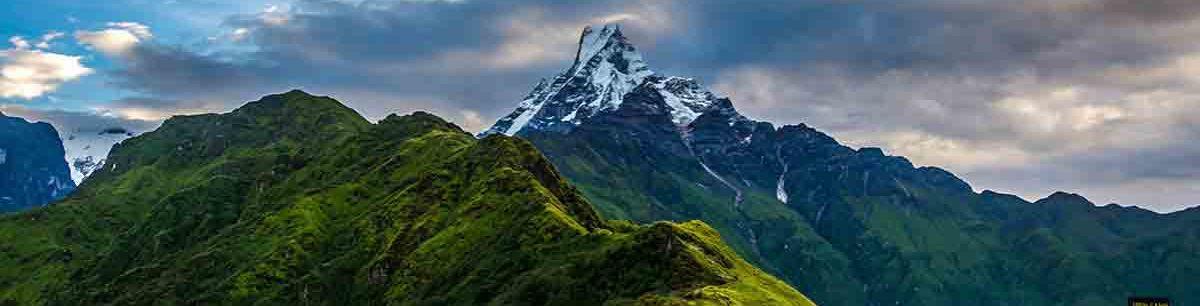

Exploring Nepal’s art, architecture, and sacred sculptures is an unforgettable journey into one of the world’s richest living cultural landscapes. While Nepal is globally known for Mount Everest and Himalayan trekking, its artistic and architectural heritage offers international tourists a deeper, more meaningful travel experience rooted in spirituality, craftsmanship, and centuries-old tradition.
From intricately carved wooden temples and royal palace courtyards to monumental stupas and finely cast bronze deities, Nepal presents a rare fusion of Hindu and Buddhist artistic expression. These sacred monuments are not relics preserved behind glass—they remain active centers of worship, community gatherings, and vibrant festivals. For international travelers seeking authentic cultural tourism in Nepal, understanding its architectural styles and sacred iconography enhances both appreciation and connection.
This guide provides a comprehensive overview of Nepal’s historic cities, temple architecture, religious symbolism, and sculptural mastery—helping visitors experience Nepal not just as a destination, but as a living gallery of sacred art and design
Why Nepal’s Art and Architecture Attract International Tourists
Nepal stands at the crossroads of Hindu and Buddhist civilizations. For centuries, artisans, monks, and royal patrons have shaped cities into sacred landscapes where religion, craftsmanship, and daily life intertwine.
International tourists are particularly drawn to Nepal because:
- It hosts multiple UNESCO World Heritage Sites.
- Sacred monuments are still active places of worship.
- Medieval urban planning remains intact in heritage cities.
- Traditional craftsmanship continues through family lineages.
- Art and religion coexist in every public square.
Unlike many countries where heritage is confined to museums, Nepal’s architecture and sculptures function within living traditions.
Kathmandu Valley: The Cultural Epicenter of Nepal
The Kathmandu Valley is the heart of Nepal’s artistic and architectural legacy. Within a relatively small geographical area, travelers encounter palace complexes, pagoda temples, Buddhist stupas, stone sculptures, and monastic courtyards.
Kathmandu
Kathmandu serves as the primary gateway for international tourists. Its historic core, Kathmandu Durbar Square, reflects centuries of royal patronage and Newar craftsmanship.
Architectural Characteristics:
- Multi-tiered pagoda temples
- Intricately carved wooden windows
- Brick-paved courtyards
- Stone guardian sculptures
- Palace complexes such as Hanuman Dhoka
The pagoda style, widely believed to have originated in Nepal before spreading across Asia, dominates much of the valley’s temple architecture.
Kathmandu’s heritage spaces remain active, especially during festivals, when chariots, masked dancers, and sacred images transform public squares into open-air ritual theaters.
Bhaktapur
Bhaktapur is often described as Nepal’s best-preserved medieval city. Walking through its narrow brick lanes feels like stepping into a historical manuscript written in stone and wood.
Key Highlights:
- Nyatapola Temple, a five-tiered pagoda masterpiece
- 55-Window Palace with detailed wooden carvings
- Pottery Square, where traditional craftsmanship thrives
- Stone statues guarding temple staircases
Bhaktapur exemplifies Newar urban design—organized around central squares (Durbar Squares), with temples forming the social and spiritual nucleus of city life.
For international tourists interested in architectural symmetry, structural engineering of ancient temples, and decorative carving traditions, Bhaktapur offers unmatched authenticity.
Patan
Patan, also known as Lalitpur (City of Fine Arts), is widely considered Nepal’s artistic capital.
Unlike Kathmandu’s dense royal core or Bhaktapur’s preserved medieval ambiance, Patan is especially renowned for its sculptural and metal casting traditions.
Cultural Features:
- Krishna Mandir (stone shikhara-style temple)
- Golden Temple (Hiranya Varna Mahavihar)
- Patan Durbar Square’s harmonious temple complex
- Traditional bahal (monastic courtyards)
Patan Museum provides one of South Asia’s finest collections of sacred metal sculptures, explaining iconography, symbolism, and artistic techniques in detail—ideal for international tourists seeking scholarly insight.
Sacred Buddhist Architecture in Nepal
Buddhism has profoundly influenced Nepal’s artistic development. Monasteries, stupas, and prayer structures dominate the spiritual skyline.
Boudhanath Stupa
Boudhanath is one of the largest spherical stupas in the world and a major center of Tibetan Buddhism.
Architectural Elements:
- Massive white dome symbolizing the cosmos
- Harmika with Buddha’s all-seeing eyes
- Spire representing stages of enlightenment
- Surrounding prayer wheels and monasteries
International tourists often participate in “kora,” the ritual circumambulation performed clockwise around the stupa, enhancing spiritual engagement.
Swayambhunath
Swayambhunath, perched on a hilltop, blends Hindu and Buddhist symbolism.
Distinctive Features:
- Ancient stupa structure
- Stone carvings and shrines
- Monasteries surrounding the main dome
- Panoramic views of Kathmandu Valley
Its layered symbolism reflects Nepal’s religious harmony and architectural diversity.
Sacred Hindu Architecture and Ritual Spaces
Hindu temples in Nepal reflect both indigenous and Indian subcontinental influences.
Pashupatinath Temple
Pashupatinath Temple is one of the most sacred Shiva temples in the Hindu world.
Architectural and Cultural Highlights:
- Two-tiered pagoda roof with golden finish
- Silver-plated temple doors
- Sacred lingam representing Shiva
- Cremation ghats along the Bagmati River
Although non-Hindus cannot enter the inner sanctum, international tourists can explore the expansive complex and observe rituals from designated areas.
The temple complex demonstrates how architecture and spirituality merge in daily life.
Traditional Architectural Styles in Nepal
Understanding architectural typology enhances appreciation for Nepal’s built heritage.
Pagoda Style
- Multi-layered roofs
- Broad projecting eaves
- Carved wooden struts
- Brick foundations
This style originated in Nepal and influenced East Asian temple architecture.
Shikhara Style
- Vertical tower-like structure
- Stone construction
- Inspired by North Indian temple design
Krishna Mandir in Patan exemplifies this form.
Stupa Architecture
- Hemispherical dome
- Square harmika
- Central spire with symbolic tiers
Stupas represent Buddhist cosmology and spiritual ascent.
Sacred Sculptures of Nepal: Craft, Iconography, and Symbolism
Nepal is internationally respected for its bronze and copper alloy sculptures.
Common Deities Depicted:
- Shiva in meditative and dancing forms
- Vishnu reclining on serpent Ananta
- Buddha in dhyana (meditation) posture
- Avalokiteshvara (Bodhisattva of compassion)
- Durga slaying Mahishasura
Nepali artisans follow precise iconographic guidelines derived from ancient scriptures, ensuring symbolic accuracy in proportion, gesture (mudra), and expression.
The Lost-Wax Casting Tradition
The lost-wax technique (cire perdue) remains central to metal sculpture production in Patan.
Process Overview:
- Creation of a wax model
- Clay mold formation
- Melting and draining wax
- Pouring molten metal
- Finishing and polishing
This centuries-old technique ensures high precision and durability, making Nepali sculptures highly valued in international art markets and museums.
Festivals as Living Art Exhibitions
Nepal’s art and architecture are most vibrant during festivals.
Major cultural celebrations include:
- Indra Jatra (Kathmandu)
- Bisket Jatra (Bhaktapur)
- Rato Machhindranath Jatra (Patan)
During these events:
- Chariots are intricately decorated.
- Sacred masks are displayed.
- Statues are paraded through city streets.
- Traditional music and dance accompany rituals.
International tourists visiting during festival seasons witness art in dynamic motion rather than static display.
Museums for Cultural Understanding
For structured learning, international tourists can explore:
- Patan Museum (metal sculptures and iconography)
- National Museum of Nepal (historical artifacts)
- Taragaon Museum (architectural documentation)
These institutions provide contextual knowledge essential for appreciating Nepal’s sacred heritage.
Responsible Cultural Tourism in Nepal
Sustainable tourism is vital for preserving Nepal’s art and architecture.
International visitors should:
- Dress modestly in religious sites.
- Remove shoes before entering temples.
- Avoid touching sacred sculptures.
- Support local artisans by purchasing authentic crafts.
- Hire licensed cultural guides for deeper interpretation.
Post-earthquake restoration efforts have rebuilt many heritage monuments, and tourism revenue continues to support conservation initiatives.
Suggested Cultural Itinerary for International Tourists
4–6 Day Cultural Focus Plan:
Day 1: Kathmandu Durbar Square and Swayambhunath
Day 2: Patan Durbar Square and Museum
Day 3: Bhaktapur Durbar Square
Day 4: Boudhanath and Pashupatinath
Optional Extension: Lumbini (Birthplace of Buddha)
This itinerary allows travelers to experience architectural diversity, sacred sculptures, and living religious traditions within a manageable timeframe.
The Global Importance of Nepal’s Artistic Heritage
Nepal’s art is not confined to history; it is a living, evolving tradition. Artisans continue carving wood, casting metal statues, painting paubha artworks, and restoring temples using traditional methods.
Monks chant in monasteries. Priests conduct daily rituals. Devotees circumambulate stupas. Sculptures remain sacred objects rather than museum artifacts.
For international tourists, exploring Nepal’s art, architecture, and sacred sculptures is an immersive journey into a civilization where spirituality and craftsmanship are inseparable.
Conclusion
Exploring Nepal’s art, architecture, and sacred sculptures offers international tourists a rare opportunity to engage with one of the world’s most culturally concentrated regions. From pagoda temples and stone shrines to monumental stupas and bronze deities, Nepal’s heritage landscape is both visually stunning and spiritually profound.
Whether you are a cultural traveler, historian, photographer, or spiritual seeker, Nepal invites you to explore its sacred artistry—where architecture tells stories, sculptures embody devotion, and history lives within every courtyard.
Nepal is not merely a trekking destination; it is a living gallery of sacred design and timeless craftsmanship waiting to be discovered.