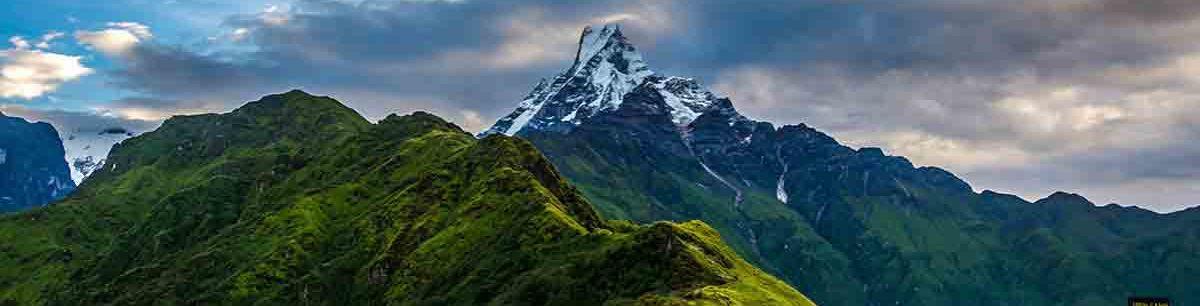
How to Plan an Incredible Family Trip to Nepal in 2025/2026: A Complete Guide

Nepal is a land of towering mountains, vibrant culture, wildlife safaris, ancient temples, and welcoming people—a destination that offers something for every traveler. While it’s famed for adrenaline-filled adventures, Nepal is also one of the most enriching and diverse countries for a family vacation. Planning a family trip to Nepal for 2025 or 2026 can be the start of a journey your loved ones will never forget.

Whether you’re traveling with toddlers, teenagers, or a mix of all ages, this guide will help you organize an unforgettable trip. From choosing the right destinations to understanding logistics, safety tips, and family-friendly activities, here’s everything you need to know.

Why Nepal is Perfect for a Family Vacation

Nepal blends natural beauty, cultural experiences, and interactive learning in a safe and relatively affordable package. Your children can marvel at Mount Everest, visit UNESCO World Heritage Sites, ride elephants in the jungle, take part in cooking classes, or experience a peaceful stay in rural villages.

Other reasons why Nepal is family-friendly:

  • English is widely spoken in tourist areas.
  • Nepalese culture is naturally welcoming to children.
  • There’s a wide range of accommodation, from basic guesthouses to luxury resorts.

Best Time to Visit Nepal for Families

The best seasons are:

  • Spring (March–May): Pleasant temperatures, blooming rhododendrons, and major festivals like Holi and Nepali New Year.
  • Autumn (September–November): Clear skies, cool evenings, and important cultural events like Dashain and Tihar (in October/November).

Avoid:

  • Monsoon season (June–August): Heavy rains, slippery roads, and leeches in the hills.
  • Winter (December–February): Can be chilly, especially in the mountains and at night.

Entry Requirements and Travel Documents

Visa:

Most travelers can get a visa on arrival at Kathmandu’s airport or apply online beforehand. Costs range from:

  • 15 days: $30 USD
  • 30 days: $50 USD
  • 90 days: $125 USD

Ensure passports are valid for at least 6 months from your date of entry.

Health and Safety Tips

Vaccinations:

Recommended vaccines include:

  • Hepatitis A & B
  • Typhoid
  • Tetanus
  • Measles-Mumps-Rubella (MMR)
  • Polio

If trekking at altitude, consult your doctor about altitude sickness prevention, such as acetazolamide (Diamox).

Food & Water:

  • Stick to bottled or filtered water.
  • Eat cooked food and avoid unwashed fruits or vegetables.
  • Carry hand sanitizer and wet wipes.

Safety Notes:

  • Nepal is politically stable and generally very safe.
  • Petty theft is rare, but use money belts and lock valuables in your hotel.
  • Roads can be bumpy—book private transfers for comfort and safety.

Family-Friendly Places to Visit in Nepal

1. Kathmandu Valley

Duration: 3–4 days

Nepal’s bustling capital is chaotic but captivating. It’s home to seven UNESCO World Heritage Sites and is great for cultural immersion.

Top Family Activities:

  • Visit Swayambhunath (Monkey Temple)—kids love the playful monkeys and hilltop views.
  • Explore Patan Durbar Square and try a traditional cooking class.
  • Watch a live puppet show or visit The Natural History Museum in Swayambhu.

Where to Stay:

  • Dwarika’s Hotel (luxury)
  • Traditional Comfort (mid-range)
  • Hotel Heranya (budget-friendly)

2. Pokhara

Duration: 4–5 days

Pokhara is Nepal’s adventure capital, but it’s also serene and scenic—ideal for families with children of all ages.

Highlights:

  • Boating on Phewa Lake
  • Visit The International Mountain Museum
  • Paragliding for teens (age 10+)
  • Caves and waterfalls like Gupteshwor Mahadev and Devi’s Fall
  • Cable car ride to Sarangkot for sunrise over the Annapurna range

Where to Stay:

  • Temple Tree Resort (family-friendly)
  • Bar Peepal Resort (great views and pool)
  • Hotel Middle Path (excellent location)

3. Chitwan National Park

Duration: 2–3 days

This UNESCO World Heritage site is home to rhinos, tigers, elephants, and crocodiles. It’s perfect for a short wildlife break with the kids.

Top Experiences:

  • Jeep safaris through the jungle
  • Tharu cultural dance performances
  • Elephant bathing (ethical interactions only)
  • Canoe rides on the Rapti River

Where to Stay:

  • Meghauli Serai (Taj Group) – luxury with a riverside setting
  • Barahi Jungle Lodge – eco-friendly and family-oriented
  • Green Park Resort – great mid-range option

4. Nagarkot or Dhulikhel

Duration: 1–2 days

Located just 1–2 hours from Kathmandu, these hill stations are peaceful getaways with spectacular Himalayan views. Ideal for rest before or after a long journey.

Activities:

  • Sunrise hike to viewpoints
  • Easy village walks with older children
  • Visit local farms and schools

Where to Stay:

  • Mystic Mountain Resort (Nagarkot)
  • Dhulikhel Lodge Resort

5. Bandipur

Duration: 1–2 days

A beautifully preserved hilltop village between Kathmandu and Pokhara—car-free and peaceful, with old Newari architecture.

Great for:

  • Experiencing rural life
  • Light hikes and picnics
  • Interacting with local children

Suggested 12-Day Family Itinerary (Sample)

Day 1–3: Arrive in Kathmandu – explore temples, markets, and family activities

Day 4–7: Fly to Pokhara – lakes, mountain views, light trekking, caves

Day 8–10: Drive to Chitwan – jungle safari and wildlife activities

Day 11: Return to Kathmandu via flight or private transport

Day 12: Depart Nepal

Trekking with Kids – Is It Possible?

Absolutely! Choose short, low-altitude treks that are scenic and accessible.

Best Treks for Families:

  • Ghandruk Loop (3–4 days) – Annapurna region
  • Australian Camp Trek (2–3 days) – Easy and beautiful
  • Shivapuri Hike (1 day) – Close to Kathmandu
  • Poon Hill (5 days) – Suitable for older children (8+)

Make sure to:

  • Take it slow and stay hydrated
  • Hire a guide/porter to help carry your bags and assist with safety
  • Avoid treks above 3,000m with small children due to altitude risks

Budget Planning: What to Expect

Nepal is incredibly budget-friendly, but you can scale up for luxury.

Average Daily Costs (Mid-Range Family of 4):

  • Accommodation: $60–120/night
  • Meals: $25–50/day
  • Transport: $30–50/day
  • Activities/Guides: $50–100/day

Estimated Cost for 12-Day Trip: $2,500–$4,500 depending on the level of comfort.

Travel Tips for Families

  • Pack light but strategically: Layers, sunscreen, medications, reusable water bottles.
  • Bring entertainment: Coloring books, tablets, games for downtime and drives.
  • Respect local culture: Teach children about temple etiquette—shoes off, no loud voices.
  • Wi-Fi and SIMs: Hotels offer Wi-Fi; SIM cards (Ncell, NTC) are cheap and useful.

Final Thoughts

Planning a family trip to Nepal in 2025 or 2026 means introducing your loved ones to a world of mountain majesty, ancient temples, and friendly culture. With thoughtful preparation, your family will enjoy an inspiring, safe, and adventure-filled journey.

From boating in Pokhara to wildlife spotting in Chitwan and learning about Hindu-Buddhist traditions in Kathmandu, Nepal’s blend of experiences can enrich young minds and create unforgettable family memories.

So start researching, pack those bags, and get ready for the journey of a lifetime in the heart of the Himalayas!

10 Best Luxury Travel Destinations in Nepal for 2025

Nepal—long known as a backpacker’s paradise—has shed its early reputation, revealing a new facet: high-end luxury travel. In recent years, exclusive resorts, spa retreats, boutique lodges, and immersive wilderness lodges have blossomed across the country. Whether you’re craving Himalayan panoramas, jungle safaris, cultural heritage, peaceful hill stations, or desert-like Tibetan plateaus, Nepal’s luxury circuit now offers all this—and more. Here’s a comprehensive overview of ten top-tier destinations worth experiencing in 2025.

Shinta Mani Mustang – Upper Mustang

Nestled in the once-isolated Upper Mustang, Shinta Mani Mustang offers a world-first luxury experience in a stark Tibetan plateau reminiscent of Ladakh. This 29-suite mountain lodge combines sleek minimalist design, local textiles, personalized butler service, and wellness amenities—including treatments and Tibetan healing consultations at the SoRig Spa

Highlights:

  • Remote “forbidden kingdom” cultural excursions and hikes
  • Tailored dining experiences (mountain lunches, homestay lunches)
  • Traditional Tibetan medicine and spa rituals

Why visit in 2025? Growing global recognition—New York Times ranked Mustang among top 50 destinations for 2024—makes it a sought-after luxury frontier .

Meghauli Serai, A Taj Safari Lodge – Chitwan

Set on the banks of the Rapti River, this Taj property is a luxury jewel amid Chitwan National Park. Its 30 opulent villas—each with private plunge pools and sweeping river views—deliver personalized safari experiences in style

Highlights:

  • Bespoke wildlife drives, canoe safaris, elephant interactions
  • Gourmet dining, bush dinners, and spa under canopy skies
  • Effortless access: a quick 20-minute flight from Kathmandu

Dwarika’s Hotel – Kathmandu

A heritage masterpiece, Dwarika’s is a living museum of Newari culture. Crafted from salvaged 15th–18th century woodwork, it spans courtyards and heritage suites

Highlights:

  • UNESCO-awarded restoration, PATA gold-award heritage property
  • Authentic Nepali cuisine at Krishnarpan and Toran restaurants
  • A cultural oasis: courtyard serenity, spa, yoga, and pool

The Pavilions Himalayas – Near Pokhara

Eco-luxury meets Himalayan grandeur at this boutique resort nestled above Pokhara with Annapurna views

Highlights:

  • Private villas with infinity pools and organic farm-to-table dining
  • Holistic spa, yoga pavilion, wellness programming
  • Immersive community walks and birdwatching

Tiger Mountain Pokhara Lodge – Pokhara Foothills

Perched above the Pokhara Valley, this environmentally responsive lodge offers panoramic views merged with high-end comfort

Highlights:

  • Expansive valley vistas from your private veranda
  • Sustainable built: local stone, wood, eco-sensibility
  • Used as basecamp for Annapurna treks and sunrise hikes

Hotel Everest View – Syangboche, Everest Region

This legendary “world’s highest hotel” (3,880 m) overlooks Everest and peaks from every room. It holds a special place in luxury-altitude travel

Highlights:

  • Helicopter landings straight to the restaurant
  • Only 12 exclusive rooms all offering sunrise over Everest
  • Strawbalming in the wilderness: land for breakfast, trek for accommodation

Meghauli Serai’s companion Lodge – Barahi Jungle Lodge

Also in Chitwan, Barahi Jungle Lodge offers a refined wilderness experience from rustic-chic cottages

Highlights:

  • Bamboo-and-wood architecture over Rapti River
  • Cultural nights with Tharu dance and fire shows
  • Spa treatments and wellness programming in jungle surroundings

Nagarkot & Dhulikhel Hill Resorts

These Eastern Kathmandu Valley hilltop retreats offer Himalayan sunrise views in serene luxury

Dusit Thani Dhulikhel

A contemporary hill resort adjacent to Dhulikhel’s lush forested ridges.

Highlights:

  • Spa, yoga pavilion, Nepali and international dining
  • Mountain-view terraces in a breezy retreat

Nagarkot Wellness Resorts

Including Hotel Mystic Mountain & similar properties offering spa escapes and peak views

Highlights:

  • Sunrise over the Himalayan arc (Everest, Langtang, Annapurna)
  • Holistic wellness retreats & spa

Hotel Pokhara Grande – Lakeside Elegance

A five-star urban sanctuary by Phewa Lake—ideal for combining lakeside luxury and Himalayan treks

Highlights:

  • Spacious suites, multi-cuisine restaurants, banquet facilities
  • Easy access to boating, World Peace Pagoda, and lakeside strolling

Hyatt Regency / Hotel Shanker – Kathmandu

Blending palace-era elegance with modern amenities in the capital’s heart

Hotel Shanker

A restored neoclassical palace-turned-hotel next to Narayanhity Palace, with 80 rooms and art-filled interiors

Hyatt Regency

A five-star sprawling resort near Boudhanath, emphasizing Newar-inspired architecture, a landscaped spa, pool, and dining

🧭 Bonus: Exclusive Luxury Experiences of 2025

Annapurna Cable Car – Serangkot Views

Launched in 2022, this gondola (2.4 km) dangles you above Pokhara valley with effortless mountain vistas

🚁 Helicopter Pilgrimages & Panoramic Flights

Luxury heli circuits to Everest Base Camp or Muktinath promise ultimate comfort and alpine perspective— a fresh 2025 trend

🌿 Spa & Wellness Journeys

Top-tier resorts now offer Himalayan Ayurveda, Tibetan healing, yoga, meditation, hot-stone therapy—as seen at Pavilions, Dusit Thani, Hyatt, and Pokhara’s Ananda Himalayas

📝 Choosing the Right Luxury Experience

Desire  Destination & Experience

  • Remote & rugged luxury        Shinta Mani Mustang, Hotel Everest View
  • Jungle safaris in style  Meghauli Serai, Barahi Lodge, Tiger Tops
  • Himalayan spa & eco-retreat  Pavilions Himalayas, Tiger Mountain Pokhara
  • Hilltop wellness escapes         Dusit Thani Dhulikhel, Nagarkot resorts
  • Urban heritage & culture        Dwarika’s, Shanker, Hyatt Kathmandu
  • Lake, leisure & lakeside charm           Hotel Pokhara Grande
  • Spectacular Gondola views     Annapurna Cable Car experience

✨ Why Luxury Travel in Nepal is Trending

  • Newfound global recognition: As Bhutan restricts travelers, Nepal fills the upscale Himalayan niche
  • Conservation-forward investments: Boutique lodges, zoos, and wilderness camps respect local ecology and heritage.
  • Wellness tourism boom: A surge in spa, yoga, Tibetan healing—Nepal offers serene recovery after adventure
  • High-end access: Helicopter transfers and cable cars simplify travel to remote vistas and pilgrimage sites.

💼 Travel Tips & Best Booking Practices

Book early, especially for lodges in Mustang and Everest—spaces are limited.

  • Plan for acclimatization: high-altitude properties often require buffer days.
  • Pack accordingly: thermal layers, insect repellent, good trekking boots, and sun protection.
  • Support local culture: many lodges integrate community guides and heritage-led tours.
  • Verify inclusions: spa packages, gourmet meals, cultural performances are sometimes extra.

Conclusion

Nepal’s luxury landscape in 2025 harmoniously blends raw Himalayan beauty with refined infrastructure, hospitality, and culture. From Upper Mustang’s exclusive boutique lodge to heritage-rich city stays, serene hilltop wellness retreats, and roaring jungles, there’s something for every luxury seeker.

This is the year to elevate your Nepal experience: swap dorms for private villas, DIY treks for guided heli-tours, and constant remoteness for sustainable indulgence—Nepal’s new chapter of luxury awaits.

How to Choose the Right Travel Adventure Company

Choosing the right travel adventure company is a crucial step in planning a successful and memorable adventure trip. Whether you are seeking a challenging mountain trek, a wildlife safari, or an underwater exploration, the company you select will significantly impact your safety, enjoyment, and overall experience. With many operators available, it can be overwhelming to identify the best fit for your adventure goals. This article provides a comprehensive guide on how to select the ideal travel adventure company by examining key factors such as expertise, safety, reputation, customization, and sustainability.

Define Your Adventure Goals

Before beginning your search, clearly define what you want from your adventure. Are you looking for a high-altitude trek, cultural immersion, wildlife viewing, or extreme sports? Knowing your preferences and physical fitness level will help narrow down companies that specialize in your desired activities. Some companies focus on trekking and mountaineering, while others excel in safaris or eco-tourism. Matching your goals with a company’s expertise ensures a better-aligned experience and increases the likelihood of a fulfilling trip.

Evaluate Expertise and Experience

Experience is paramount in adventure travel. Choose companies with years of proven success in organizing trips similar to your interests. Experienced operators understand the unique challenges of their destinations and have developed effective strategies to manage risks and logistics. For example, Himalayan Glacier has been leading treks and expeditions for over two decades, specializing in high-altitude trekking and mountaineering. Such longevity often indicates reliability and deep local knowledge.

Verify Government Registration and Legitimacy

Ensure the company is officially registered with the relevant tourism authorities. Unregistered or freelance operators may lack the necessary permits, legal backing, and professional standards, which can compromise your safety and the quality of your experience. Legitimate companies adhere to regulations and provide transparent documentation, which is essential for peace of mind during your adventure.

Assess Safety Protocols and Emergency Preparedness

Adventure travel inherently involves risks, but reputable companies prioritize safety above all else. Confirm that the company employs certified and trained guides who are skilled in first aid and emergency response. The company should have clear risk management plans, including emergency evacuation procedures, adequate oxygen supplies for high-altitude trips, satellite communication, and trained rescue teams. Regular safety drills and equipment checks are signs of a responsible operator.

Research Success Rates and Track Record

Investigate the company’s past expedition success rates and client outcomes. A high success rate reflects competence and effective planning. Reading reviews and testimonials on platforms such as TripAdvisor, Google Reviews, and Trustpilot can provide insights into the company’s reliability and customer satisfaction. Positive feedback regarding guides, safety, and service quality is a strong indicator of a trustworthy operator.

Consider Transparency and Avoid Pressure Sales

Beware of companies offering unrealistically low prices or pressuring you to book quickly. Such offers often come at the expense of safety, quality, and inclusions. Ensure the travel package clearly states what is included—permits, meals, accommodations, guide services, and emergency support—to avoid hidden costs. Transparent pricing and honest communication are hallmarks of a reputable company.

Look for Customization and Flexibility

A good adventure travel company should offer flexible itineraries tailored to your fitness level, interests, and preferences. Whether you want a family-friendly trip, a solo expedition, or a luxury experience, the company should accommodate your needs. Flexibility is also important for adapting to unforeseen circumstances during the trip, enhancing your overall enjoyment.

Evaluate Environmental Responsibility and Ethical Practices

Sustainable tourism is increasingly vital in adventure travel. Choose companies committed to minimizing their environmental impact, supporting local communities, and practicing responsible tourism. This includes following Leave No Trace principles, ensuring fair wages for staff, and contributing to conservation efforts. Ethical operators enrich your experience by fostering genuine connections with local cultures and preserving natural habitats.

Check Group Size and Dynamics

Consider the typical group size and demographic the company manages. Some travelers prefer small, intimate groups for a more personalized experience, while others enjoy larger groups for social interaction. Understanding the group dynamics can help you select a company that matches your social preferences and comfort level.

Assess Communication and Customer Service

Effective communication before and during your trip is essential. Choose a company that is responsive to inquiries, transparent about costs, and provides detailed information about the itinerary and safety measures. Excellent customer service ensures that your concerns are addressed promptly, contributing to a smooth and enjoyable experience.

Seek Personal Recommendations and Community Feedback

Personal recommendations from friends, family, or fellow adventurers can provide valuable insights and trustworthy referrals. Additionally, engaging with online forums, social media groups, and adventure travel blogs can offer honest opinions and experiences that help you make an informed decision.

By carefully considering these factors—defining your goals, verifying expertise and legitimacy, prioritizing safety, checking reputation, ensuring transparency, valuing customization, supporting sustainability, and assessing communication—you can confidently choose the right travel adventure company. This thoughtful approach will help you embark on an adventure that is not only thrilling and memorable but also safe, ethical, and tailored to your unique desires.

Summary Checklist: How to Choose the Right Travel Adventure Company

  • Define your adventure goals and preferences
  • Choose companies with proven expertise and experience
  • Verify government registration and legal legitimacy
  • Confirm safety protocols, trained guides, and emergency plans
  • Research success rates and read customer reviews
  • Avoid unrealistic pricing and pressure sales tactics
  • Look for itinerary customization and flexibility
  • Select companies committed to sustainable and ethical tourism
  • Consider group size and social dynamics
  • Evaluate communication responsiveness and customer service
  • Seek personal recommendations and community feedback

Following these guidelines will help ensure your next adventure is a rewarding and safe journey with the right travel adventure company by your side.

Best Time to Visit Mount Kailash: A Comprehensive Guide

Mount Kailash, the majestic and sacred peak located in the remote reaches of western Tibet, holds immense spiritual and geographical significance. Revered in Hinduism, Buddhism, Jainism, and the Bon religion, this pyramid-shaped mountain is believed to be the abode of Lord Shiva, the center of the universe, and the site of ultimate liberation. Every year, thousands of pilgrims and trekkers attempt the Kailash Kora — a 52-kilometer circumambulation — for religious merit and the experience of a lifetime.

Given its extreme altitude, remote location, and climatic variability, timing your visit to Mount Kailash is crucial for a safe and fulfilling journey. In this article, we explore in detail the best time to visit Mount Kailash, climate considerations, season-wise breakdowns, pilgrimage timings, travel restrictions, and essential travel tips.

Climate and Geographic Overview

Mount Kailash stands at 6,638 meters (21,778 feet) above sea level, surrounded by high-altitude plateaus, arid landscapes, and the serene Lake Mansarovar. The region falls in the Trans-Himalayan zone, characterized by a cold desert climate.

General Climate:

  • Temperature Range: -15°C to 20°C
  • Altitude: Above 4,500 meters for most of the Kora
  • Precipitation: Sparse, but possible snow or rain showers, especially in summer

The mountain itself is never climbed, due to its religious sanctity, but the trek around it — usually completed in 3 days — is physically demanding. The oxygen level is roughly 50% of that at sea level, making acclimatization and timing even more important.

Best Time to Visit: Late April to Mid-October

The optimal time to visit Mount Kailash is between late April and mid-October. During this window, the weather is relatively stable, trails are accessible, and visibility is high. However, within this period, there are further distinctions in terms of climate comfort, religious significance, and travel feasibility.

Let’s explore the key months in detail.

Month-by-Month Breakdown

April to Early May: Beginning of the Season

  • Temperature: -5°C to 10°C
  • Landscape: Snow still lingers in higher elevations; ice may cover parts of the trail.

Pros:

  • Fewer crowds
  • Clear skies for photography

Cons:

  • Cold nights
  • Risk of altitude sickness higher due to low temperatures

This period marks the beginning of the trekking season. It’s ideal for seasoned trekkers and pilgrims who prefer solitude and scenic snow-clad peaks.

Mid-May to June: Ideal Conditions Begin

  • Temperature: 0°C to 15°C
  • Weather: Warmer days, snow begins to melt

Pros:

  • Comfortable daytime temperatures
  • Good trail conditions
  • Increasing religious activity

This is when the number of pilgrims starts to rise. The Mount Kailash Kora becomes more accessible, and the Lake Mansarovar area is generally ice-free, offering stunning reflections of the sacred peak.

July to Mid-September: Monsoon and Peak Pilgrimage Time

  • Temperature: 5°C to 18°C
  • Weather: Occasional rain showers; cloud cover at times

Pros:

  • Lush surroundings and blooming alpine flora
  • Major religious festivals like Saga Dawa
  • Easier road access due to snowmelt

Cons:

  • Risk of landslides on roads from Nepal
  • Cloudy skies may obstruct views

Despite being the monsoon season, the Mount Kailash region receives less rainfall compared to other Himalayan areas. However, travel from Nepal (via Simikot or Kathmandu) may face disruptions due to landslides or flight delays.

Saga Dawa Festival (Usually in May or June):

This Buddhist festival commemorates the birth, enlightenment, and death of Lord Buddha. It draws thousands of pilgrims to Mount Kailash, making it a spiritually rich — yet crowded — time to visit. Experiencing the chanting, prayer flags, and spiritual energy is unforgettable.

Mid-September to Mid-October: Last Best Window

  • Temperature: -2°C to 12°C
  • Weather: Crisp air, clear skies, colorful autumn landscapes

Pros:

  • Best visibility
  • Fewer tourists after summer
  • Excellent for photography and meditation

This period is ideal for travelers seeking peace and scenic beauty. The post-monsoon clarity offers unmatched views of the mountain and Lake Mansarovar. Trails are dry and safe.

Late October to March: Off-Season

  • Temperature: -15°C to 5°C
  • Weather: Extremely cold, snow-covered trails

Cons:

  • Harsh weather
  • Closed guesthouses and limited food supply
  • Road blocks and potential snowstorms

Due to extreme cold and inaccessibility, travel during this period is strongly discouraged unless part of a specialized winter expedition. The area becomes largely deserted.

Religious and Cultural Timings

Aside from weather, many visitors time their journeys to coincide with important religious events.

Key Pilgrimage Events:

  • Saga Dawa (May/June): Most important Buddhist festival; large gatherings, chanting, prayer offerings
  • Full Moon Days: Many pilgrims aim to complete the Kora during a full moon for spiritual merit
  • Shiva Ratri (February): Though not an ideal time climatically, it holds significance for Hindu pilgrims

Many Indian and Tibetan pilgrims prefer traveling during the lunar months according to the Hindu and Tibetan Buddhist calendars, adding a spiritual dimension to the journey.

Accessibility and Permits

Entry Routes:

  • Via Nepal (Kathmandu to Tibet via Lhasa or Simikot)
  • Via India (Lipulekh Pass, Uttarakhand – through the Indian government-organized Yatra)
  • Via Mainland China (Chengdu, Lhasa)

Each route has different optimal times:

  • Simikot route (Nepal) is sensitive to monsoon rains (avoid July-August)
  • Lhasa route is more stable, year-round, but still best between May and October

Permit Requirements:

  • Tibet Travel Permit
  • Alien Travel Permit
  • Military Permit (for sensitive border areas)

Chinese Visa

These are typically arranged by travel agencies, especially those based in Lhasa or Kathmandu. Independent travel to Mount Kailash is not allowed; you must join an organized tour.

Accommodations and Facilities

Basic guesthouses and tented camps are available along the Kora and in nearby towns like Darchen, the starting point of the trek. These are functional only during the trekking season (May to October). During off-season, most facilities shut down, and self-sufficiency becomes necessary.

Expect minimal amenities — no showers, shared toilets, and limited electricity. However, spiritual serenity and the beauty of the Himalayas compensate for the discomfort.

Health and Safety Considerations

Altitude Sickness:

  • Start acclimatizing from Lhasa or Simikot
  • Spend 2-3 days at Lake Mansarovar or Darchen before starting the Kora
  • Hydrate, avoid alcohol, and consider medication like acetazolamide (Diamox)

Weather Preparedness:

  • Layered clothing (down jackets, windproof outer shell)
  • Sunglasses and sunscreen (UV is intense at altitude)
  • Sleeping bag (even in guesthouses)

Final Thoughts: When Should YOU Go?

The best time to visit Mount Kailash depends on your personal priorities:

Priority Best Time

  • Best Weather & Visibility        Late May to Early July / September
  • Spiritual Experience    Saga Dawa Festival (May/June)
  • Fewer Crowds April or Late September
  • Ideal Photography      September to early October
  • Avoid Rain/Mud          May, September

For most travelers, late May to mid-June or early September strikes the perfect balance between accessibility, weather, and spiritual atmosphere.

Conclusion

Visiting Mount Kailash is not just a journey through high-altitude wilderness — it’s a profound inner experience. Whether you’re a spiritual seeker, adventure traveler, or cultural explorer, the time you choose to embark on this sacred pilgrimage will shape your entire experience. With proper planning, acclimatization, and an open heart, the journey to Mount Kailash can be the most unforgettable and transformative voyage of your life.

Climbing Three Passes in Nepal: An Ultimate Adventure in the Everest Region

Nepal, a land of diverse landscapes, towering peaks, and rich cultural heritage, offers some of the world’s most extraordinary trekking and climbing experiences. The Everest region is home to numerous famous treks, but one stands out for its combination of technical challenges, stunning landscapes, and the opportunity to explore several remote parts of the region: the Three Passes Trek. As the name suggests, this trek involves crossing three significant mountain passes: Kongma La, Cho La, and Renjo La. It is a challenging yet rewarding experience that offers trekkers and mountaineers an intimate exploration of the Everest region beyond the popular base camps. In this article, we will dive into the details of the Three Passes Trek, discussing its route, the challenges faced, its highlights, and what to expect on this epic journey.

Overview of the Three Passes Trek

The Three Passes Trek is a high-altitude trek that traverses the Everest region, taking trekkers over three formidable mountain passes, each situated above 5,000 meters. The trek provides the opportunity to enjoy panoramic views of some of the world’s highest peaks, including Mount Everest, Lhotse, Makalu, Cho Oyu, and Ama Dablam. Along the way, trekkers pass through beautiful Sherpa villages, dense forests, glacial lakes, and remote monasteries. The combination of diverse landscapes, challenging ascents, and cultural experiences makes the trek an unforgettable journey for avid mountaineers and adventurers.

The Three Passes Trek typically takes between 18 to 21 days to complete, depending on the route taken, rest days, and acclimatization periods. The trek begins in Lukla, the gateway to the Khumbu region, and passes through the villages of Namche Bazaar, Tengboche, Dingboche, Lobuche, and Gokyo, before ascending to the three passes and completing the loop back to Lukla.

The Three Passes: Kongma La, Cho La, and Renjo La

Kongma La (5,535 meters / 18,159 feet): Kongma La is the first pass on the trek and one of the most technically demanding. Located between Lobuche and Chukhung, it involves a steep ascent and a strenuous descent on both sides. The pass offers jaw-dropping views of Makalu, Lhotse, and other high peaks. The path leading to Kongma La is rocky and exposed, with some sections requiring careful navigation, especially in the winter when snow and ice can make the trail even more treacherous. The views from the top are worth the effort, as trekkers are treated to sweeping panoramas of the Khumbu Himalayas.

Cho La (5,420 meters / 17,782 feet): Cho La is the second pass and is located between the villages of Dzongla and Gokyo. Unlike Kongma La, Cho La is often more popular among trekkers, as it leads to the famous Gokyo Lakes and the Gokyo Ri summit, a less-crowded alternative to Everest Base Camp. While the pass is somewhat less technical than Kongma La, it still requires a good level of fitness and preparation. The pass is known for its steep, icy slopes, which can be slippery, especially during the winter months. Trekkers must also be cautious of the risk of altitude sickness as they gain elevation quickly.

Renjo La (5,340 meters / 17,520 feet): Renjo La is the final pass on the Three Passes Trek and connects the Gokyo valley with the Thame valley. It is considered the least difficult of the three passes but still presents challenges, especially for those not accustomed to high-altitude trekking. The Renjo La pass offers magnificent views of Everest, Lhotse, and the surrounding peaks. The descent from the pass is steep but manageable, and the trek continues to the peaceful village of Thame before heading back to Lukla.

Key Highlights of the Three Passes Trek

The Three Passes Trek is filled with breathtaking views, cultural experiences, and a variety of natural landscapes. Below are some of the most remarkable highlights along the route:

1. Everest and the Khumbu Peaks

Throughout the trek, trekkers are treated to close-up views of some of the world’s most iconic mountains. Everest, Lhotse, Makalu, Cho Oyu, and other mighty peaks are visible from various vantage points. The sight of these colossal mountains dominating the landscape is one of the most awe-inspiring aspects of the trek.

2. Gokyo Lakes and Gokyo Ri

One of the standout features of the Three Passes Trek is the Gokyo Valley, which is home to the mesmerizing Gokyo Lakes. These turquoise glacial lakes are considered sacred by the locals and offer a stunning visual contrast against the surrounding snow-capped mountains. From Gokyo, trekkers can hike up to Gokyo Ri, a viewpoint that offers panoramic views of Mount Everest, Cho Oyu, Makalu, and other peaks. The hike to Gokyo Ri is a highlight for many trekkers, as it provides a less crowded alternative to the more famous Everest Base Camp.

3. Sherpa Villages and Buddhist Monasteries

Along the trek, trekkers pass through several Sherpa villages, including Namche Bazaar, Dingboche, and Thame. These villages offer a glimpse into the daily lives of the Sherpa people, who have lived in the region for centuries. The houses, monasteries, and prayer flags dotting the landscape create a vibrant and unique cultural atmosphere. Trekking through these villages offers an opportunity to learn about the Sherpa culture, visit Buddhist monasteries, and experience the warm hospitality of the locals.

4. Challenging Terrain and High-Altitude Trekking

The Three Passes Trek is not for the faint-hearted. The high-altitude terrain, combined with the rugged and rocky paths, makes it a physically demanding journey. Trekking over three high mountain passes, each above 5,000 meters, requires proper acclimatization to prevent altitude sickness and ensure safe passage. The trail is also often steep, with long ascents and descents, which will test the endurance of even experienced trekkers.

5. Solitude and Remoteness

One of the major draws of the Three Passes Trek is the relative solitude compared to the more popular Everest Base Camp trek. While the Everest Base Camp trek can be crowded, especially during peak seasons, the Three Passes Trek offers a quieter, more remote experience. The trek takes you to less-visited areas, allowing trekkers to experience the beauty and tranquility of the Everest region in a more peaceful and untouched setting.

Preparing for the Three Passes Trek

Given the nature of the trek, proper preparation is key to a safe and successful journey. Here are a few important considerations:

1. Fitness Level

The Three Passes Trek is physically demanding, so it’s important to be in good shape. Prepare for the trek by incorporating cardio and strength training into your fitness routine. Hiking on steep, high-altitude trails requires good stamina and leg strength.

2. Acclimatization

Because the Three Passes Trek reaches altitudes of over 5,000 meters, acclimatization is critical to prevent altitude sickness. It’s recommended to spend extra days in places like Namche Bazaar and Dingboche to allow your body time to adjust to the thinner air. Trekking at a slow and steady pace is also important to avoid overexertion.

3. Gear and Equipment

Proper gear is essential for the Three Passes Trek. The weather can change rapidly in the Himalayas, so be prepared for cold temperatures, rain, and snow. Essential gear includes waterproof trekking boots, a warm sleeping bag, layered clothing for insulation, a good-quality backpack, trekking poles, and a durable down jacket. A personal first aid kit, a headlamp, and a good camera for capturing the stunning landscapes are also must-haves.

4. Guides and Porters

Though the Three Passes Trek can be done independently, many trekkers choose to hire a guide or porter to assist with navigation and carrying heavy loads. Local guides are well-versed in the trail and can provide insights into the culture, geography, and wildlife along the way. Porters can help reduce the physical strain by carrying your main luggage, allowing you to focus on the trek itself.

Conclusion

The Three Passes Trek is one of the most rewarding trekking experiences in Nepal. It offers trekkers the opportunity to cross three high-altitude passes, witness breathtaking Himalayan views, and experience the unique culture of the Sherpa people. While the trek is physically demanding and requires proper preparation, the rewards—stunning scenery, solitude, and a deep sense of accomplishment—are well worth the effort. Whether you are an experienced mountaineer looking for a challenge or a passionate trekker seeking to explore the Everest region off the beaten path, the Three Passes Trek is an adventure you will never forget.