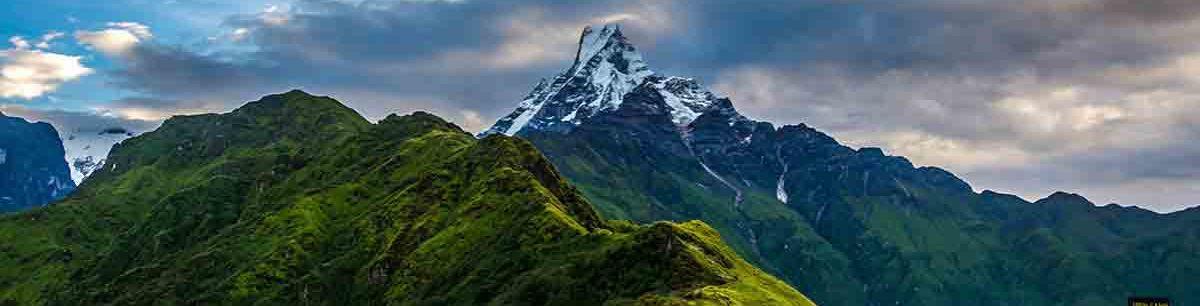
Everything You Need to Know Before Trekking Manaslu

Trekking in Nepal is one of the most enriching travel experiences in the world, and among its many legendary routes, the Manaslu Circuit Trek stands out for its pristine landscapes, cultural authenticity, and off-the-beaten-path allure. Named after Mount Manaslu, the eighth-highest mountain in the world at 8,163 meters, this trek offers a perfect balance of breathtaking scenery, remote village life, and Himalayan adventure.

If you’re considering the Manaslu Trek, this comprehensive guide covers all the essential things you need to know—from permits and best seasons to trekking highlights, difficulty, logistics, and what makes it one of Nepal’s best-kept secrets.


Why Choose the Manaslu Trek?

While the Everest and Annapurna regions attract tens of thousands of trekkers annually, the Manaslu Circuit offers a more peaceful and unspoiled alternative. Opened to trekkers only in the early 1990s, it still retains a sense of isolation and authenticity that’s hard to find elsewhere in the Himalayas.

What Makes It Special?

  • Less crowded than Annapurna and Everest regions
  • Remote villages and rich Tibetan-influenced culture
  • Epic mountain scenery, glaciers, and river valleys
  • Larke La Pass (5,106 m) – one of the most beautiful Himalayan passes
  • Opportunities to observe diverse ecosystems and wildlife
  • Traverses the Manaslu Conservation Area, rich in biodiversity

Trek Overview

FeatureDetails
Duration14–18 days (typical itinerary)
Highest PointLarke La Pass – 5,106 meters (16,752 ft)
Trek DistanceApprox. 177 km (110 miles)
Starting PointSoti Khola (or Arughat)
Ending PointDharapani (connects with Annapurna trail)
Difficulty LevelModerate to challenging
Best Time to TrekMarch–May & September–November
Accommodation TypeTeahouses (basic lodges)
Permits RequiredYes – Restricted Area Permit + others

Permits You Need

The Manaslu region is classified as a Restricted Area by the Government of Nepal, meaning that independent trekking is not allowed. You must be part of a registered group and accompanied by a licensed guide.

Required Permits:

  1. Manaslu Restricted Area Permit (RAP)
    • Cost: $100 for the first 7 days (Sept–Nov), $15 per day after
    • Lower rates from Dec–Aug
  2. Manaslu Conservation Area Permit (MCAP) – NPR 3,000 (~$25)
  3. Annapurna Conservation Area Permit (ACAP) – NPR 3,000 (~$25)
  4. TIMS Card is not required if you have a RAP

Permits can be obtained through a registered trekking agency, and solo trekking is not permitted in the Manaslu region due to safety concerns.


Best Time to Trek the Manaslu Circuit

The ideal seasons for the Manaslu trek are:

1. Autumn (September–November)

  • Most popular and stable trekking season
  • Clear skies, mild temperatures, and great mountain visibility
  • Festive season in Nepal—Dashain and Tihar fall during this time

2. Spring (March–May)

  • Blooming rhododendrons and wildflowers
  • Longer days and warmer weather
  • Good mountain visibility, though occasional haze

Avoid:

  • Monsoon (June–August) – Heavy rain, landslides, and leeches
  • Winter (December–February) – Snowfall can close Larke Pass

Trekking Itinerary (Standard 14-16 Days)

Here’s a popular 14-day itinerary. It can be extended or shortened depending on your pace and acclimatization needs.

Day 1: Drive from Kathmandu to Soti Khola (700m)

  • 7–8 hour jeep or bus ride
  • Overnight stay in a teahouse

Day 2–4: Trek through Machha Khola → Jagat → Deng

  • River crossings, waterfalls, and terrace farming
  • Enter the restricted area at Jagat
  • Deng offers views of Shringi Himal

Day 5–6: Deng to Namrung → Lho

  • Climb through pine and rhododendron forests
  • First panoramic views of Mount Manaslu from Lho
  • Lho is a beautiful Tibetan village with a large monastery

Day 7–8: Lho to Samagaun (3,530m)

  • Rest and acclimatization day at Samagaun
  • Side trip: Manaslu Base Camp or Pungyen Gompa

Day 9: Samagaun to Samdo (3,860m)

  • Short, gradual climb
  • Samdo is the last permanent settlement before the pass
  • Close to the Tibetan border

Day 10: Acclimatization in Samdo or hike to Dharamsala (Larke Phedi)

Day 11: Cross Larke La Pass (5,106m) to Bimthang (3,590m)

  • Long, challenging day with early morning start
  • Stunning panoramic views from the pass
  • Descend to Bimthang for overnight rest

Day 12–13: Trek to Dharapani via Tilje → Drive to Besi Sahar or Kathmandu

  • Reconnects with the Annapurna Circuit trail
  • Jeep or bus from Dharapani or Besi Sahar back to Kathmandu

Top Sights and Highlights

Mount Manaslu (8,163 m)

Visible from various points, this majestic peak dominates the landscape and inspires awe.

Ribung and Pungyen Gompa

Ancient Buddhist monasteries offering cultural insight and panoramic views of the Manaslu range.

Larke La Pass (5,106 m)

The high point of the trek and a physically demanding but incredibly rewarding climb with sweeping views of Himlung Himal, Cheo Himal, and more.

Remote Tibetan Villages (Samagaun, Lho, Samdo)

Experience local hospitality, Tibetan-style architecture, prayer wheels, and mani walls.

Wildlife and Biodiversity

  • Snow leopards (rarely seen)
  • Himalayan tahr, blue sheep, marmots, eagles
  • Varied flora—pine, birch, rhododendron, medicinal herbs

Food and Accommodation on the Trek

Accommodation:

  • Teahouses are available in most villages
  • Basic rooms with shared bathrooms
  • Heating usually available only in the dining hall

Food:

  • Dal Bhat (lentils & rice) – staple meal
  • Momos, noodles, pasta, Tibetan bread, fried rice
  • Expect rising prices and reduced menus at higher elevations
  • Bring snacks, protein bars, or instant coffee for variety

What to Pack

Essentials:

  • Sturdy hiking boots
  • Thermal layers, waterproof jacket
  • Sleeping bag (0°C to -10°C comfort rating)
  • Trekking poles
  • Headlamp, water purifier/tablets
  • Sunscreen, sunglasses, lip balm
  • Personal medications and basic first-aid
  • Extra cash (no ATMs on the trail)

Pack light but smart—porters (if hired) typically carry up to 15 kg.


Guide and Porter Info

  • Licensed guide is mandatory for the restricted area
  • Hiring a porter is optional but helpful
  • Many agencies offer guide + porter packages
  • Ensure your guide is experienced and fluent in English

Hiring locals not only enhances your safety but also contributes to the local economy.


Responsible Trekking Tips

  • Respect local customs—ask before taking photos of people or religious sites
  • Avoid plastic bottles—bring a reusable water bottle with purification options
  • Leave no trace—carry your waste out of the conservation area
  • Support local teahouses and businesses
  • Be mindful of altitude—acclimatize properly and don’t rush the itinerary

Alternative Routes & Extensions

  • Tsum Valley Extension: Add 5–7 days to explore this secluded valley with sacred monasteries and Tibetan heritage
  • Combine with Annapurna Circuit: After reaching Dharapani, continue the Annapurna trail westward

Final Thoughts: Is the Manaslu Trek Right for You?

If you’re looking for a Himalayan trek that offers solitude, cultural immersion, and dramatic mountain scenery without the crowds, the Manaslu Circuit is an outstanding choice. It demands good fitness, some experience with altitude, and a sense of adventure—but the rewards are truly unforgettable.

From ancient Buddhist villages to panoramic glacier views, and from deep gorges to high passes, the Manaslu region is a raw and authentic slice of Nepal. Plan well, trek responsibly, and you’ll come away with memories that last a lifetime.

The Ultimate Guide to Spicy Nepali Food: What to Eat and Where to Find It

Nestled in the lap of the Himalayas, Nepal is renowned for its towering peaks, ancient temples, and rich culture. But beyond the scenic beauty and spiritual legacy, Nepal offers another lesser-known yet compelling attraction: its diverse and flavor-packed food scene. Nepali cuisine, though often overshadowed by its Indian and Tibetan neighbors, boasts a unique identity built on local ingredients, seasonal produce, and a bold use of spices.

This guide takes you on a flavorful journey through Nepal’s spicy food culture, from street-side delights to home-cooked meals, regional specialties, and culinary customs that define the Nepalese way of eating.


The Flavor Profile of Nepali Cuisine

At its heart, Nepali cuisine is a celebration of balance. Most dishes bring together spicy, sour, salty, and savory notes in a way that’s both comforting and invigorating. Spices play a central role, but they are used thoughtfully, often to enhance rather than overpower the dish.

Key Spices and Ingredients

Some of the most commonly used spices in Nepali cooking include:

  • Turmeric (Besar): Used in almost every curry and lentil dish.
  • Cumin (Jeera): Ground or whole, it adds a nutty and earthy flavor.
  • Coriander (Dhaniya): Fresh or dried, for a lemony zing.
  • Fenugreek (Methi): Bitter, aromatic, and often used in tadkas (tempered oil).
  • Mustard seeds (Tori): Essential in pickles and certain curries.
  • Chili (Khursani): Both dried and fresh, to deliver heat and fire.
  • Szechuan pepper (Timur): A regional spice with a citrusy, tongue-tingling kick, commonly used in the hills.

Add to this an abundant use of garlic, ginger, onions, and tomatoes, and you have a cuisine with layers of complexity.


The National Dish: Dal Bhat Tarkari

No discussion of Nepali food is complete without mentioning the iconic Dal Bhat Tarkari, a daily staple across the country. It consists of:

  • Dal: Lentil soup, usually made from split yellow or black lentils and seasoned with turmeric, garlic, cumin, and chili.
  • Bhat: Steamed rice.
  • Tarkari: A side of spiced vegetables, varying seasonally—potatoes, cauliflower, green beans, mustard greens.
  • Achar: Spicy pickles made from fermented radishes, tomatoes, or cucumber, often laced with mustard oil and chili.

Dal Bhat is more than a meal—it’s a ritual. For many Nepalis, it’s eaten twice a day, and the composition of the plate reflects local customs, regional ingredients, and individual creativity.


Regional Variations in Nepali Cuisine

Nepal’s topography ranges from low-lying plains (Terai) to mid-hills and the high Himalayas, creating a patchwork of culinary micro-cultures. Each region brings something unique to the table.

Terai Cuisine: Rich and Fiery

In the southern plains bordering India, the Terai region shares culinary ties with North India but adds its own spin. Food here tends to be spicier and oilier, often served with puris or parathas instead of rice.

Popular Dishes:

  • Ghonghi (Snail Curry): A spicy delicacy among the Tharu people.
  • Sidhara: Fermented fish cakes, pungent and intensely flavorful.
  • Bhuteko Bhaat: Fried rice with green chilies and mustard oil.

The Terai is also known for its love of pickles and chutneys made from raw mango, chili, and mustard seeds—perfect condiments for spice-lovers.

Hill Cuisine: Balanced and Herbal

The mid-hills, where the majority of the population lives, offer a cuisine that blends spice with subtlety. The diet here is more grain- and vegetable-heavy, with seasonal produce playing a big role.

Highlights:

  • Gundruk: Fermented leafy greens, often made into soups or achar. Pungent and tangy, it’s a source of probiotics and depth in local meals.
  • Kinema: A fermented soybean dish common in the eastern hills—smelly but delicious.
  • Aloo Tama: A curry made of potatoes and bamboo shoots, rich in umami.

Chilies are used, but in moderation, often alongside timur (Szechuan pepper) for its unique zing.

Himalayan Cuisine: Hearty and Warming

In the high mountains, food needs to provide warmth and energy. Here, the cuisine leans on yak meat, dairy, potatoes, and barley, with influences from Tibetan cooking.

Must-Try Dishes:

  • Thukpa: Noodle soup with meat or vegetables, seasoned with chilies, garlic, and herbs.
  • Momo: The beloved dumpling, steamed or fried, filled with spiced meat or vegetables, and served with a spicy tomato-sesame chutney.
  • Shyakpa: A thick stew with flat noodles and hearty chunks of meat or vegetables.

Chili pastes and hot sauces are commonly available to dial up the heat.


Street Food and Snacks: A Spicy Affair

Nepal’s street food scene is a delight for spice enthusiasts. Small stalls and carts dish out tangy, fiery, and crunchy bites that are both affordable and addictive.

Some Local Favorites:

  • Chatamari: Often dubbed ‘Nepali pizza,’ this Newari rice-flour pancake is topped with spiced meat, eggs, and vegetables.
  • Sekuwa: Skewered and grilled meat marinated in a fiery blend of spices, garlic, and mustard oil.
  • Samosa and Pakoda: Fried snacks stuffed with potatoes, peas, or lentils, served with green or tamarind chutneys.
  • Pani Puri (also known as Golgappa): Hollow crisps filled with spicy water, mashed potatoes, and chutney.
  • Chowmein: Stir-fried noodles made Nepali-style with chilies, soy sauce, and a hint of vinegar.

Vendors often offer varying levels of heat—be bold and ask for “piro” (spicy) if you’re feeling adventurous.


Pickles and Ferments: The Soul of Nepali Meals

No Nepali meal is complete without achar—the traditional pickles. These are not your average preserved vegetables. Nepali achars are lively, spicy, and sometimes fermented, adding depth and excitement to even the simplest dishes.

Common Types of Achar:

  • Tomato-Timur Achar: Spicy, tangy chutney with roasted tomatoes, garlic, and Szechuan pepper.
  • Radish Achar: Often fermented and mixed with mustard oil and chili.
  • Green Mango Achar: Sour and spicy, found mainly in the southern plains.
  • Lapsi (Nepali hog plum) Achar: A sweet and sour chutney made with local fruit.

Most families have their own recipes, often passed down through generations.


Nepali Spicy Beverages and Soups

While spices dominate the solid food scene, they also find their way into drinks and broths.

  • Jhol: A spicy broth served with momos, made from tomatoes, garlic, sesame, and chili.
  • Masala Chiya: Spiced milk tea brewed with cardamom, ginger, and sometimes cloves.
  • Tongba: A warm millet-based alcoholic drink from eastern Nepal, where you pour hot water over fermented grains and sip through a bamboo straw.

These drinks reflect how Nepalis use spice not only for flavor but also for warmth and wellness, especially in colder months.


Tips for Food Lovers Visiting Nepal

  1. Mind the Spice Levels: If you’re sensitive to spice, ask for “mild” or say “piro china” (not spicy). Otherwise, embrace the heat!
  2. Eat Local: Try small family-run eateries (known as bhattis) or local daalbhat joints. You’ll get an authentic taste at low prices.
  3. Don’t Skip the Pickles: Ask for achar even if it’s not on the plate—it can transform the whole meal.
  4. Try a Home-Cooked Meal: Platforms like community homestays or food tours offer the chance to eat traditional meals with locals.
  5. Be Adventurous: Try the unusual—yak cheese, snail curry, fermented greens—you might discover a new favorite.

Conclusion: More Than Just Spice

Nepal’s food culture is as diverse as its landscapes. While spice is a defining characteristic, it’s never used recklessly. Instead, it complements and enhances the natural flavors of grains, vegetables, and meats. Whether you’re biting into a fiery momo, sipping a garlicky soup in the mountains, or savoring dal bhat with tangy achars, the spicy food of Nepal is a gateway to its culture, history, and everyday life.

So if you’re planning to visit Nepal, come hungry—and don’t be afraid to sweat a little. The spice is worth it.

Souvenirs to Buy from a Nepal Tour: A Complete Guide to Unique Treasures

Nepal is a land of diverse cultures, ancient traditions, spiritual depth, and awe-inspiring landscapes. When visiting this Himalayan gem, bringing back a piece of its charm in the form of souvenirs can be one of the most fulfilling parts of your journey. Whether you’re wandering through the bustling streets of Thamel in Kathmandu, exploring the serene alleys of Bhaktapur, or relaxing by the lakeside markets in Pokhara, Nepal offers a rich variety of authentic and meaningful items perfect for keepsakes and gifts.

This article presents a comprehensive guide to the best souvenirs to buy in Nepal, including cultural significance, where to find them, and tips for ethical shopping.

1. Pashmina Shawls and Scarves

Why Buy:

Pashmina, also known as cashmere, is one of Nepal’s most prized exports. Made from the wool of Himalayan mountain goats (locally called Chyangra), pashmina shawls are incredibly soft, warm, and lightweight.

Types:

  • 100% Pure Pashmina – Expensive but luxurious
  • Blended Pashmina (Pashmina-Silk mix) – Affordable and still high quality

Where to Buy:

  • Thamel (Kathmandu): Countless boutiques
  • Lalitpur and Pokhara: Artisanal stores with certified labeling

Price Range:

  • Blended pashmina scarves: NPR 1000–3000
  • Pure pashmina shawls: NPR 5000 and above

Tip: Look for the “Chyangra Pashmina” trademark for authenticity.

2. Singing Bowls

Why Buy:

Singing bowls, traditionally used in Tibetan Buddhist meditation and healing, produce soothing, harmonic sounds. They’re believed to promote relaxation, balance chakras, and aid in sound therapy.

Materials:

  • Hand-hammered bronze (traditional)
  • Machine-made brass (cheaper, more decorative)

Where to Buy:

  • Thamel and Boudhanath (Kathmandu)
  • Lakeside Pokhara
  • Specialty shops in Patan

Price Range:

  • Small machine-made bowls: NPR 1000–2500
  • Large hand-hammered bowls: NPR 5000–20,000+

Tip: Test different bowls to find one with a sound that resonates with you. The larger and thicker the bowl, the deeper the tone.

3. Handmade Paper (Lokta Paper) Products

Why Buy:

Made from the bark of the Lokta bush found in the Himalayan forests, Lokta paper is eco-friendly, durable, and uniquely textured. It’s used to make beautiful journals, lamp shades, photo albums, and gift wrap.

Cultural Significance:

Used historically for religious scriptures and government documents in Nepal.

Where to Buy:

  • Paper factories in Bhaktapur and Patan
  • Stationery and craft stores in Kathmandu

Price Range:

  • Journals: NPR 300–1000
  • Lamps and wall art: NPR 1000–4000

4. Thangka Paintings

Why Buy:

Thangkas are intricate Buddhist scroll paintings, often depicting deities, mandalas, or scenes from the life of the Buddha. These sacred artworks are created using natural pigments and hold deep spiritual value.

Types:

  • Printed Thangkas (inexpensive)
  • Hand-painted Thangkas (authentic and expensive)

Where to Buy:

Boudhanath and Patan: Authentic Thangka schools and art galleries

Price Range:

  • Prints: NPR 500–1500
  • Hand-painted: NPR 5000–100,000+ (based on size and detail)

Tip: Make sure the artist signs the painting. Ask if the work follows traditional iconography and materials.

5. Prayer Flags and Wheels

Why Buy:

Prayer flags are colored cloth strips printed with sacred mantras, intended to spread goodwill and compassion when the wind blows. Prayer wheels, when spun, release prayers into the universe.

Cultural Insight:

  • Colors represent five elements: blue (sky), white (air), red (fire), green (water), yellow (earth)
  • Best hung outdoors or near a meditation space

Where to Buy:

  • Boudhanath, Swayambhunath
  • Souvenir markets in Kathmandu and Pokhara

Price Range:

  • Small prayer flags: NPR 100–300
  • Large sets or wheels: NPR 1000–3000

6. Traditional Nepali Clothing

Why Buy:

Take home a piece of Nepalese tradition with Dhaka fabric garments, topis (Nepali caps), and saris or kurtas for women.

Cultural Use:

  • Dhaka topi is worn during formal events and festivals
  • Many Nepali men wear Daura Suruwal, the national dress, on special occasions

Where to Buy:

Asan Bazaar, Patan, and local tailoring shops

Price Range:

  • Dhaka topi: NPR 300–1000
  • Hand-stitched kurtas or daura suruwal sets: NPR 2000–6000

7. Statues and Metal Crafts

Why Buy:

Nepalese artisans, especially the Newars of Patan, are masters in metalwork, particularly of bronze and copper statues of Hindu and Buddhist deities.

What to Look For:

  • Lost-wax (cire-perdue) technique crafted statues
  • Intricate, antique-finish deities like Buddha, Tara, or Shiva

Where to Buy:

  • Patan Durbar Square area (metalwork workshops)
  • Basantapur and Thamel markets

Price Range:

  • Small brass statues: NPR 1000–5000
  • Larger, artisan-crafted statues: NPR 10,000+

8. Handcrafted Jewelry

Why Buy:

Nepal is known for its ethnic, tribal, and silver jewelry adorned with turquoise, lapis lazuli, coral, and amber. Each piece often has spiritual meaning or is inspired by Tibetan designs.

Popular Items:

  • Silver rings, bracelets, pendants with mantras
  • Turquoise necklaces (often worn by Sherpa women)

Where to Buy:

  • Patan, Thamel, Bhaktapur
  • Fair-trade stores and co-ops

Price Range:

  • Simple earrings: NPR 300–1000
  • Handmade silver and stone necklaces: NPR 3000–10,000+

9. Wood Carvings

Why Buy:

Nepalese woodworkers have centuries-old traditions of creating intricate designs, especially seen in temple doors and window frames.

Best For:

  • Decorative wall hangings
  • Miniature temple replicas
  • Traditional Newari window frames

Where to Buy:

Bhaktapur and Patan wood-carving shops

Price Range:

  • Small carvings: NPR 500–2000
  • Larger works: NPR 5000–30,000+

10. Tea and Spices

Why Buy:

Nepal produces some of the world’s finest orthodox teas, particularly from the Ilam and Terai regions. Spices such as timur (Szechuan pepper), cardamom, ginger, and turmeric are aromatic and high-quality.

Where to Buy:

  • Asan Bazaar, Kathmandu
  • Local supermarkets and tea shops in Pokhara

Price Range:

  • Pack of tea: NPR 300–800
  • Spice sets: NPR 200–500

Tip: Choose vacuum-sealed packages for freshness and easy transport.

11. Musical Instruments

Why Buy:

Bring home the sound of Nepal with traditional instruments like the madal (drum), sarangi (stringed instrument), or bansuri (bamboo flute).

Where to Buy:

  • Patan and Bhaktapur for handmade instruments
  • Music stores in Kathmandu and Pokhara

Price Range:

  • Flutes: NPR 200–500
  • Madals or sarangis: NPR 1000–3000

12. Books and Literature

Why Buy:

Nepal’s literary scene is growing, with many great titles on trekking, Buddhism, Himalayan culture, and fiction by local authors.

Recommended:

  • “Into Thin Air” by Jon Krakauer
  • “The Snow Leopard” by Peter Matthiessen
  • Books by Nepali authors like Samrat Upadhyay or Manjushree Thapa

Where to Buy:

Support Local Artisans: Choose cooperatives or fair-trade shops over mass-market tourist stalls.

  • Pilgrims Book House (Thamel)
  • Mandala Book Point (Lalitpur)

Ethical Shopping Tips

  • Avoid Wildlife Products: Never buy souvenirs made from endangered species (e.g., ivory, tiger skin).
  • Negotiate Politely: Bargaining is common, but be respectful.
  • Check for Authenticity: Especially with Thangkas, pashmina, and statues.

Conclusion

Shopping in Nepal isn’t just about picking up trinkets—it’s an opportunity to connect with the country’s heritage, support local communities, and bring meaningful memories back home. Whether you’re a culture enthusiast, a spiritual seeker, or an art lover, Nepal’s souvenir markets offer something for everyone.

Make sure your chosen mementos reflect the beauty, spirituality, and craftsmanship of this extraordinary country. Happy travels—and happy treasure hunting!

How to Plan an Incredible Family Trip to Nepal in 2025/2026: A Complete Guide

Nepal is a land of towering mountains, vibrant culture, wildlife safaris, ancient temples, and welcoming people—a destination that offers something for every traveler. While it’s famed for adrenaline-filled adventures, Nepal is also one of the most enriching and diverse countries for a family vacation. Planning a family trip to Nepal for 2025 or 2026 can be the start of a journey your loved ones will never forget.

Whether you’re traveling with toddlers, teenagers, or a mix of all ages, this guide will help you organize an unforgettable trip. From choosing the right destinations to understanding logistics, safety tips, and family-friendly activities, here’s everything you need to know.

Why Nepal is Perfect for a Family Vacation

Nepal blends natural beauty, cultural experiences, and interactive learning in a safe and relatively affordable package. Your children can marvel at Mount Everest, visit UNESCO World Heritage Sites, ride elephants in the jungle, take part in cooking classes, or experience a peaceful stay in rural villages.

Other reasons why Nepal is family-friendly:

  • English is widely spoken in tourist areas.
  • Nepalese culture is naturally welcoming to children.
  • There’s a wide range of accommodation, from basic guesthouses to luxury resorts.

Best Time to Visit Nepal for Families

The best seasons are:

  • Spring (March–May): Pleasant temperatures, blooming rhododendrons, and major festivals like Holi and Nepali New Year.
  • Autumn (September–November): Clear skies, cool evenings, and important cultural events like Dashain and Tihar (in October/November).

Avoid:

  • Monsoon season (June–August): Heavy rains, slippery roads, and leeches in the hills.
  • Winter (December–February): Can be chilly, especially in the mountains and at night.

Entry Requirements and Travel Documents

Visa:

Most travelers can get a visa on arrival at Kathmandu’s airport or apply online beforehand. Costs range from:

  • 15 days: $30 USD
  • 30 days: $50 USD
  • 90 days: $125 USD

Ensure passports are valid for at least 6 months from your date of entry.

Health and Safety Tips

Vaccinations:

Recommended vaccines include:

  • Hepatitis A & B
  • Typhoid
  • Tetanus
  • Measles-Mumps-Rubella (MMR)
  • Polio

If trekking at altitude, consult your doctor about altitude sickness prevention, such as acetazolamide (Diamox).

Food & Water:

  • Stick to bottled or filtered water.
  • Eat cooked food and avoid unwashed fruits or vegetables.
  • Carry hand sanitizer and wet wipes.

Safety Notes:

  • Nepal is politically stable and generally very safe.
  • Petty theft is rare, but use money belts and lock valuables in your hotel.
  • Roads can be bumpy—book private transfers for comfort and safety.

Family-Friendly Places to Visit in Nepal

1. Kathmandu Valley

Duration: 3–4 days

Nepal’s bustling capital is chaotic but captivating. It’s home to seven UNESCO World Heritage Sites and is great for cultural immersion.

Top Family Activities:

  • Visit Swayambhunath (Monkey Temple)—kids love the playful monkeys and hilltop views.
  • Explore Patan Durbar Square and try a traditional cooking class.
  • Watch a live puppet show or visit The Natural History Museum in Swayambhu.

Where to Stay:

  • Dwarika’s Hotel (luxury)
  • Traditional Comfort (mid-range)
  • Hotel Heranya (budget-friendly)

2. Pokhara

Duration: 4–5 days

Pokhara is Nepal’s adventure capital, but it’s also serene and scenic—ideal for families with children of all ages.

Highlights:

  • Boating on Phewa Lake
  • Visit The International Mountain Museum
  • Paragliding for teens (age 10+)
  • Caves and waterfalls like Gupteshwor Mahadev and Devi’s Fall
  • Cable car ride to Sarangkot for sunrise over the Annapurna range

Where to Stay:

  • Temple Tree Resort (family-friendly)
  • Bar Peepal Resort (great views and pool)
  • Hotel Middle Path (excellent location)

3. Chitwan National Park

Duration: 2–3 days

This UNESCO World Heritage site is home to rhinos, tigers, elephants, and crocodiles. It’s perfect for a short wildlife break with the kids.

Top Experiences:

  • Jeep safaris through the jungle
  • Tharu cultural dance performances
  • Elephant bathing (ethical interactions only)
  • Canoe rides on the Rapti River

Where to Stay:

  • Meghauli Serai (Taj Group) – luxury with a riverside setting
  • Barahi Jungle Lodge – eco-friendly and family-oriented
  • Green Park Resort – great mid-range option

4. Nagarkot or Dhulikhel

Duration: 1–2 days

Located just 1–2 hours from Kathmandu, these hill stations are peaceful getaways with spectacular Himalayan views. Ideal for rest before or after a long journey.

Activities:

  • Sunrise hike to viewpoints
  • Easy village walks with older children
  • Visit local farms and schools

Where to Stay:

  • Mystic Mountain Resort (Nagarkot)
  • Dhulikhel Lodge Resort

5. Bandipur

Duration: 1–2 days

A beautifully preserved hilltop village between Kathmandu and Pokhara—car-free and peaceful, with old Newari architecture.

Great for:

  • Experiencing rural life
  • Light hikes and picnics
  • Interacting with local children

Suggested 12-Day Family Itinerary (Sample)

Day 1–3: Arrive in Kathmandu – explore temples, markets, and family activities

Day 4–7: Fly to Pokhara – lakes, mountain views, light trekking, caves

Day 8–10: Drive to Chitwan – jungle safari and wildlife activities

Day 11: Return to Kathmandu via flight or private transport

Day 12: Depart Nepal

Trekking with Kids – Is It Possible?

Absolutely! Choose short, low-altitude treks that are scenic and accessible.

Best Treks for Families:

  • Ghandruk Loop (3–4 days) – Annapurna region
  • Australian Camp Trek (2–3 days) – Easy and beautiful
  • Shivapuri Hike (1 day) – Close to Kathmandu
  • Poon Hill (5 days) – Suitable for older children (8+)

Make sure to:

  • Take it slow and stay hydrated
  • Hire a guide/porter to help carry your bags and assist with safety
  • Avoid treks above 3,000m with small children due to altitude risks

Budget Planning: What to Expect

Nepal is incredibly budget-friendly, but you can scale up for luxury.

Average Daily Costs (Mid-Range Family of 4):

  • Accommodation: $60–120/night
  • Meals: $25–50/day
  • Transport: $30–50/day
  • Activities/Guides: $50–100/day

Estimated Cost for 12-Day Trip: $2,500–$4,500 depending on the level of comfort.

Travel Tips for Families

  • Pack light but strategically: Layers, sunscreen, medications, reusable water bottles.
  • Bring entertainment: Coloring books, tablets, games for downtime and drives.
  • Respect local culture: Teach children about temple etiquette—shoes off, no loud voices.
  • Wi-Fi and SIMs: Hotels offer Wi-Fi; SIM cards (Ncell, NTC) are cheap and useful.

Final Thoughts

Planning a family trip to Nepal in 2025 or 2026 means introducing your loved ones to a world of mountain majesty, ancient temples, and friendly culture. With thoughtful preparation, your family will enjoy an inspiring, safe, and adventure-filled journey.

From boating in Pokhara to wildlife spotting in Chitwan and learning about Hindu-Buddhist traditions in Kathmandu, Nepal’s blend of experiences can enrich young minds and create unforgettable family memories.

So start researching, pack those bags, and get ready for the journey of a lifetime in the heart of the Himalayas!

10 Best Luxury Travel Destinations in Nepal for 2025

Nepal—long known as a backpacker’s paradise—has shed its early reputation, revealing a new facet: high-end luxury travel. In recent years, exclusive resorts, spa retreats, boutique lodges, and immersive wilderness lodges have blossomed across the country. Whether you’re craving Himalayan panoramas, jungle safaris, cultural heritage, peaceful hill stations, or desert-like Tibetan plateaus, Nepal’s luxury circuit now offers all this—and more. Here’s a comprehensive overview of ten top-tier destinations worth experiencing in 2025.

Shinta Mani Mustang – Upper Mustang

Nestled in the once-isolated Upper Mustang, Shinta Mani Mustang offers a world-first luxury experience in a stark Tibetan plateau reminiscent of Ladakh. This 29-suite mountain lodge combines sleek minimalist design, local textiles, personalized butler service, and wellness amenities—including treatments and Tibetan healing consultations at the SoRig Spa

Highlights:

  • Remote “forbidden kingdom” cultural excursions and hikes
  • Tailored dining experiences (mountain lunches, homestay lunches)
  • Traditional Tibetan medicine and spa rituals

Why visit in 2025? Growing global recognition—New York Times ranked Mustang among top 50 destinations for 2024—makes it a sought-after luxury frontier .

Meghauli Serai, A Taj Safari Lodge – Chitwan

Set on the banks of the Rapti River, this Taj property is a luxury jewel amid Chitwan National Park. Its 30 opulent villas—each with private plunge pools and sweeping river views—deliver personalized safari experiences in style

Highlights:

  • Bespoke wildlife drives, canoe safaris, elephant interactions
  • Gourmet dining, bush dinners, and spa under canopy skies
  • Effortless access: a quick 20-minute flight from Kathmandu

Dwarika’s Hotel – Kathmandu

A heritage masterpiece, Dwarika’s is a living museum of Newari culture. Crafted from salvaged 15th–18th century woodwork, it spans courtyards and heritage suites

Highlights:

  • UNESCO-awarded restoration, PATA gold-award heritage property
  • Authentic Nepali cuisine at Krishnarpan and Toran restaurants
  • A cultural oasis: courtyard serenity, spa, yoga, and pool

The Pavilions Himalayas – Near Pokhara

Eco-luxury meets Himalayan grandeur at this boutique resort nestled above Pokhara with Annapurna views

Highlights:

  • Private villas with infinity pools and organic farm-to-table dining
  • Holistic spa, yoga pavilion, wellness programming
  • Immersive community walks and birdwatching

Tiger Mountain Pokhara Lodge – Pokhara Foothills

Perched above the Pokhara Valley, this environmentally responsive lodge offers panoramic views merged with high-end comfort

Highlights:

  • Expansive valley vistas from your private veranda
  • Sustainable built: local stone, wood, eco-sensibility
  • Used as basecamp for Annapurna treks and sunrise hikes

Hotel Everest View – Syangboche, Everest Region

This legendary “world’s highest hotel” (3,880 m) overlooks Everest and peaks from every room. It holds a special place in luxury-altitude travel

Highlights:

  • Helicopter landings straight to the restaurant
  • Only 12 exclusive rooms all offering sunrise over Everest
  • Strawbalming in the wilderness: land for breakfast, trek for accommodation

Meghauli Serai’s companion Lodge – Barahi Jungle Lodge

Also in Chitwan, Barahi Jungle Lodge offers a refined wilderness experience from rustic-chic cottages

Highlights:

  • Bamboo-and-wood architecture over Rapti River
  • Cultural nights with Tharu dance and fire shows
  • Spa treatments and wellness programming in jungle surroundings

Nagarkot & Dhulikhel Hill Resorts

These Eastern Kathmandu Valley hilltop retreats offer Himalayan sunrise views in serene luxury

Dusit Thani Dhulikhel

A contemporary hill resort adjacent to Dhulikhel’s lush forested ridges.

Highlights:

  • Spa, yoga pavilion, Nepali and international dining
  • Mountain-view terraces in a breezy retreat

Nagarkot Wellness Resorts

Including Hotel Mystic Mountain & similar properties offering spa escapes and peak views

Highlights:

  • Sunrise over the Himalayan arc (Everest, Langtang, Annapurna)
  • Holistic wellness retreats & spa

Hotel Pokhara Grande – Lakeside Elegance

A five-star urban sanctuary by Phewa Lake—ideal for combining lakeside luxury and Himalayan treks

Highlights:

  • Spacious suites, multi-cuisine restaurants, banquet facilities
  • Easy access to boating, World Peace Pagoda, and lakeside strolling

Hyatt Regency / Hotel Shanker – Kathmandu

Blending palace-era elegance with modern amenities in the capital’s heart

Hotel Shanker

A restored neoclassical palace-turned-hotel next to Narayanhity Palace, with 80 rooms and art-filled interiors

Hyatt Regency

A five-star sprawling resort near Boudhanath, emphasizing Newar-inspired architecture, a landscaped spa, pool, and dining

🧭 Bonus: Exclusive Luxury Experiences of 2025

Annapurna Cable Car – Serangkot Views

Launched in 2022, this gondola (2.4 km) dangles you above Pokhara valley with effortless mountain vistas

🚁 Helicopter Pilgrimages & Panoramic Flights

Luxury heli circuits to Everest Base Camp or Muktinath promise ultimate comfort and alpine perspective— a fresh 2025 trend

🌿 Spa & Wellness Journeys

Top-tier resorts now offer Himalayan Ayurveda, Tibetan healing, yoga, meditation, hot-stone therapy—as seen at Pavilions, Dusit Thani, Hyatt, and Pokhara’s Ananda Himalayas

📝 Choosing the Right Luxury Experience

Desire  Destination & Experience

  • Remote & rugged luxury        Shinta Mani Mustang, Hotel Everest View
  • Jungle safaris in style  Meghauli Serai, Barahi Lodge, Tiger Tops
  • Himalayan spa & eco-retreat  Pavilions Himalayas, Tiger Mountain Pokhara
  • Hilltop wellness escapes         Dusit Thani Dhulikhel, Nagarkot resorts
  • Urban heritage & culture        Dwarika’s, Shanker, Hyatt Kathmandu
  • Lake, leisure & lakeside charm           Hotel Pokhara Grande
  • Spectacular Gondola views     Annapurna Cable Car experience

✨ Why Luxury Travel in Nepal is Trending

  • Newfound global recognition: As Bhutan restricts travelers, Nepal fills the upscale Himalayan niche
  • Conservation-forward investments: Boutique lodges, zoos, and wilderness camps respect local ecology and heritage.
  • Wellness tourism boom: A surge in spa, yoga, Tibetan healing—Nepal offers serene recovery after adventure
  • High-end access: Helicopter transfers and cable cars simplify travel to remote vistas and pilgrimage sites.

💼 Travel Tips & Best Booking Practices

Book early, especially for lodges in Mustang and Everest—spaces are limited.

  • Plan for acclimatization: high-altitude properties often require buffer days.
  • Pack accordingly: thermal layers, insect repellent, good trekking boots, and sun protection.
  • Support local culture: many lodges integrate community guides and heritage-led tours.
  • Verify inclusions: spa packages, gourmet meals, cultural performances are sometimes extra.

Conclusion

Nepal’s luxury landscape in 2025 harmoniously blends raw Himalayan beauty with refined infrastructure, hospitality, and culture. From Upper Mustang’s exclusive boutique lodge to heritage-rich city stays, serene hilltop wellness retreats, and roaring jungles, there’s something for every luxury seeker.

This is the year to elevate your Nepal experience: swap dorms for private villas, DIY treks for guided heli-tours, and constant remoteness for sustainable indulgence—Nepal’s new chapter of luxury awaits.