
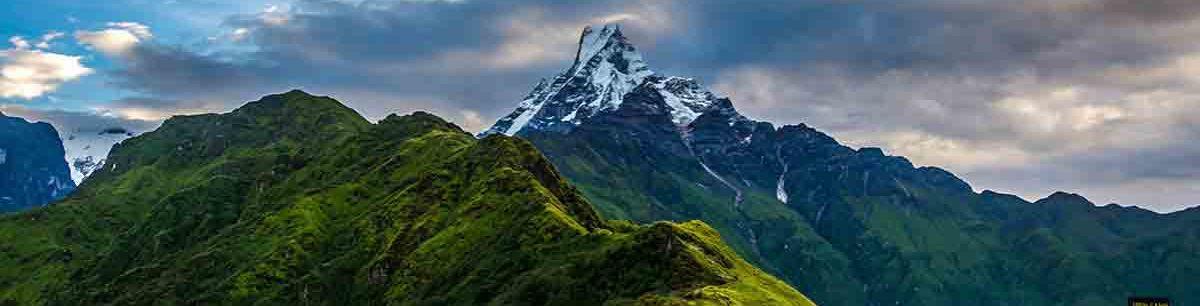

Mera Peak is one of Nepal’s most iconic trekking peaks. Each year, climbers from around the world attempt it. Many wonder: Can beginners climb Mera Peak successfully? The short answer is yes — but only with the right preparation, training, acclimatization strategies, and logistical planning. In this guide, we will cover all aspects of Mera Peak for beginners in 2026/27, including difficulty, training tips, equipment lists, acclimatization schedules, and success strategies.
Mera Peak stands at 6,476 meters (21,247 feet) above sea level. It is classified as a trekking peak by the Nepal Mountaineering Association (NMA). For many climbers, especially those new to high‐altitude mountaineering, Mera Peak represents both a challenge and a realistic first summit.
This article aims to answer your most important questions:
- What is the difficulty level of Mera Peak for beginners?
- How should you train?
- What should you expect on the route?
- How can you maximize your chance of success in 2026?
What Makes Mera Peak Ideal for Beginners?
Trekking Peak Classification
Mera Peak is a part of the NMA’s trekking peak category. These peaks are considered more achievable for climbers without prior expedition experience. They often require:
- Moderate technical climbing skills
- Rope techniques
- Fixed line navigation
- Glacier travel
However, they do not normally demand advanced skills like ice climbing steep walls or complex glacier navigation found on higher mountaineering objectives.
This accessibility makes Mera Peak for beginners in 2026/27 a realistic goal, provided you prepare thoroughly.
Spectacular Himalayan Scenery
The route to Mera Peak offers incredible views. Climbers see five of the world’s 14 highest mountains, including Mount Everest, Lhotse, Makalu, Cho Oyu, and Kangchenjunga. These views are motivating and add to the overall experience.
Gradual Altitude Gain
The Mera Peak itinerary generally includes gradual altitude gain. This is vital for:
- Proper acclimatization
- Minimizing altitude sickness
- Increasing your chance of summit success
The standard trek starts in Lukla and progresses through traditional Sherpa villages and high alpine landscapes before moving onto glacier and ice terrain near the summit.
Understanding the Difficulty of Mera Peak
To realistically assess Mera Peak for beginners in 2026/27, you must understand the challenges involved.
Altitude and Acclimatization
Mera Peak’s altitude (6,476 m) places it firmly in the high‐altitude category. At these heights, oxygen levels are significantly lower than at sea level. Common effects include:
- Headaches
- Nausea
- Fatigue
- Shortness of breath
Proper acclimatization is not optional — it is essential. A structured acclimatization schedule drastically improves your chance of summit success and safety.
Glacier and Snow Travel
While Mera Peak does not require highly technical ice climbing, the final ascent involves:
- Glacier crossings
- Snow slopes up to 40–45 degrees
- Use of crampons and ice axes
Beginners will need training in:
- Walking on snow and ice
- Using crampons
- Self‐arrest techniques with an ice axe
Basic Rope Skills
You must be comfortable with:
- Walking on fixed rope sections
- Using a harness
- Applying ascenders (jumars)
- Descending with belay devices
These skills are standard for many trekking peaks and are usually taught by guide teams before the climb.
Training Program for “Mera Peak for Beginners in 2026/27”
To succeed on Mera Peak, consistent and structured training is crucial. Your training program should begin at least 12 to 16 weeks before departure.
Cardiovascular Conditioning
Mera Peak demands high endurance. Cardiovascular training enhances:
- Lung capacity
- Heart efficiency
- Fatigue resistance
Recommended activities:
- Long-distance hiking with a loaded backpack
- Stair climbing with weighted pack
- Cycling
- Running (especially hills or intervals)
A target training goal:
- 4–6 days per week
- Sessions between 60–120 minutes
Strength Training
You should focus on muscles used during climbing:
- Quadriceps
- Hamstrings
- Glutes
- Core muscles
- Shoulders and upper back
Sample strength exercises:
- Squats and lunges (weighted)
- Step-ups
- Deadlifts
- Planks and core work
Perform strength training at least 2–3 times per week.
Technical Climbing Skills
A beginner should learn and practice:
- Ice axe self-arrest
- Crampon walking
- Fixed line climbing
- Rope handling skills
Enroll in a basic mountaineering course if possible. Many outdoor schools offer weekend clinics that cover all essential techniques.
High-Altitude Simulation
If you live at low altitude, consider:
- Hiking at higher elevations during training
- Using altitude simulation devices or masks (note: these are aids but not substitutes for acclimatization)
Training at altitude helps your body adapt sooner.
Typical Itinerary for Mera Peak in 2026/27
Although itineraries vary by operator, a standard trekking and climbing schedule lasts 18–23 days.
Example itinerary highlights:
- Arrival in Kathmandu
- Fly to Lukla
- Trek through villages to Khare
- Acclimatization hikes
- Move up to High Camp
- Summit attempt
- Return trek and departure
Strategic rest days and acclimatization hikes are built in to:
- Reduce the risk of altitude sickness
- Improve physical adaptation
- Build confidence before moving higher
Essential Gear for Mera Peak Climbers
Your gear list should balance weight with performance. Below is a recommended breakdown:
Clothing
- Insulated mountaineering jacket
- Base layers (moisture-wicking)
- Softshell pants
- Down pants for high camp
- Thermal underwear
- Lightweight trekking shirts
Footwear
- Mountaineering boots (double boots recommended)
- Gaiters
- Wool trekking socks
Technical Gear
- Crampons compatible with boots
- Ice axe
- Climbing harness
- Helmet
- Carabiners and personal hardware
Camping and Trekking
- Sleeping bag (rated to at least -20°C)
- Trekking poles
- Headlamp with extra batteries
- High-calorie snacks and hydration system
Safety and Communication
- First aid kit
- Satellite phone or radio (often provided by operators)
- Sunscreen and high-altitude lip balm
This gear list is comprehensive, focusing on both comfort and safety during your journey.
Acclimatization: The Key to Success
Acclimatization is the process by which your body adjusts to lower oxygen levels at altitude. A good acclimatization schedule includes:
- Gradual ascent
- Rest days every 300–500 m elevation gain
- Active recovery hikes
- Hydration and proper nutrition
Signs of good acclimatization include:
- Stable appetite
- Good sleep quality
- Minimal fatigue
Warning signs that require action:
- Severe headache not relieved by medication
- Loss of coordination (ataxia)
- Persistent nausea or vomiting
- Shortness of breath at rest
If severe symptoms occur, descending immediately is mandatory.
Nutrition and Hydration Strategies
Good nutrition dramatically affects your performance on Mera Peak. You should focus on:
- High-carbohydrate meals (energy source)
- Adequate protein (muscle repair)
- Electrolytes (hydration balance)
Daily hydration goals:
- At least 4–6 liters of water per day
- Even more on summit push days
Hydration helps with acclimatization and reduces the risk of altitude sickness.
Common Challenges for Beginners and How to Overcome Them
1. Altitude Sickness
Solution: Take ascent slow, hydrate, rest often, use medication like acetazolamide only under medical guidance.
2. Cold Weather
Solution: Layering clothing, high-quality sleeping bag, warm gloves, and head protection.
3. Technical Sections
Solution: Practice skills before the trek; follow guide instructions; never rush fixed lines.
4. Mental Stress
Solution: Prepare mentally through visualization, rest, and positive affirmations. Staying with a group helps maintain morale.
Hiring a Guide and Support Team
A qualified guide increases your chance of success. A good guide will:
- Lead safe acclimatization hikes
- Manage rope work on technical sections
- Monitor your health and well-being
- Ensure logistics run smoothly
Most beginners should climb with a reputable operator. This is especially important for factors like:
- Permits
- Camp setup
- Load carrying
- Weather forecasts
Best Time to Climb Mera Peak in 2026/27
The best seasons generally are:
- Spring (March–May)
- Autumn (September–November)
These periods offer more stable weather, clearer skies, and manageable temperatures. Winter and monsoon seasons are far more challenging and not recommended for beginners.
Summit Day: What to Expect
Summit day on Mera Peak is long and physically demanding. Expect:
- Early start (02:00–03:00)
- Extremely cold temperatures
- Steep snow slopes
- Final fixed rope sections
The final push can take 6–10 hours. Staying calm, pacing yourself, and using your mountaineering skills will make the difference between summiting and turning back.
Post-Climb Recovery and Health Considerations
After summiting:
- Allow time to descend safely
- Rest fully in lower camps
- Rehydrate and refuel immediately
- Monitor for delayed altitude effects
Most climbers feel exhilarated, but long climbs can temporarily suppress immune response. Eat well and rest when back in Kathmandu.
Conclusion: Realistic Expectations for Mera Peak for Beginners in 2026/27
Mera Peak for beginners in 2026/27 is an achievable objective with the right approach. Success demands:
- Structured training
- Proper acclimatization
- Quality gear
- Strong mental resilience
- Professional support from guides
This peak offers a perfect blend of challenge and beauty for first-time high-altitude climbers. With dedication and planning, you can stand on the summit and enjoy one of the world’s great mountain experiences.
