
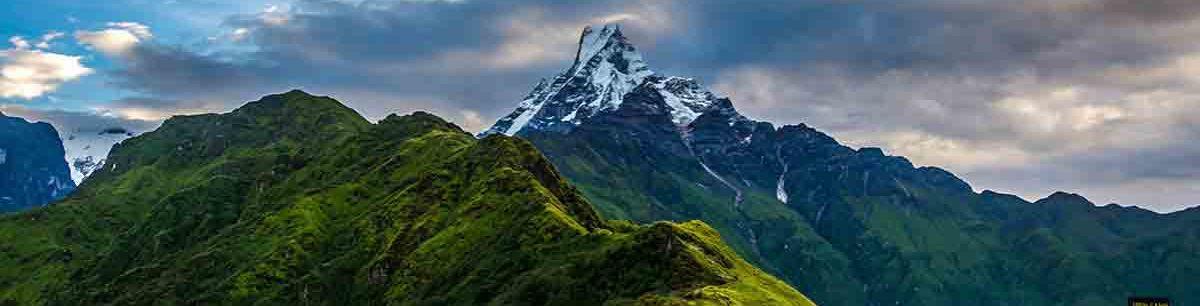

Mera Peak climbing is often described as one of the most achievable 6,000-meter mountaineering objectives in Nepal. Standing at 6,476 meters, Mera Peak attracts trekkers and aspiring climbers from around the world who want to experience high-altitude mountaineering without extreme technical difficulty. However, while the climb is considered non-technical, it should never be underestimated.
In fact, many first-time climbers make avoidable mistakes that can turn a rewarding adventure into a challenging or even dangerous experience. Therefore, understanding the most common Mera Peak climbing mistakes—and learning how to avoid them—is essential for a safe, successful, and enjoyable ascent.
This detailed guide highlights the 10 most common mistakes first-time climbers make on Mera Peak and provides practical, experience-based solutions. Moreover, the article is designed to help you prepare smarter, acclimatize better, and climb more confidently, whether you are planning a guided or private expedition.
Mistake 1: Underestimating Mera Peak Climbing Difficulty
One of the most frequent Mera Peak climbing mistakes is assuming that the climb is easy simply because it is labeled as “non-technical.” While it is true that Mera Peak does not require advanced rock or ice climbing skills, the altitude alone presents serious challenges.
At nearly 6,500 meters, oxygen levels are significantly reduced. Consequently, even basic movements become physically demanding. Additionally, summit day can last 10–12 hours in cold, windy conditions.
How to avoid this mistake:
First and foremost, treat Mera Peak as a high-altitude mountaineering expedition, not just a trek. Train accordingly, both physically and mentally. Furthermore, respect the mountain by allowing adequate time for acclimatization and recovery.
Mistake 2: Poor Acclimatization Planning
Inadequate acclimatization is one of the leading causes of failed Mera Peak climbs. Many first-time climbers rush the itinerary in an attempt to save time or reduce costs. As a result, they expose themselves to altitude sickness, exhaustion, or forced descent.
Proper acclimatization allows your body to adjust gradually to reduced oxygen levels. Without it, symptoms such as headaches, nausea, dizziness, and loss of appetite can escalate quickly.
How to avoid this mistake:
Choose an itinerary that includes multiple acclimatization days, particularly above 4,500 meters. Additionally, follow the principle of “climb high, sleep low” whenever possible. Most importantly, listen to your body and communicate symptoms early.
Mistake 3: Insufficient Physical Preparation
Another common mistake in Mera Peak climbing is inadequate physical training before the expedition. Although the climb does not involve technical rock climbing, it demands sustained endurance, leg strength, and cardiovascular fitness.
Long trekking days, heavy boots, crampons, and cold temperatures can quickly overwhelm climbers who are not properly conditioned.
How to avoid this mistake:
Begin training at least three to four months before your climb. Focus on aerobic activities such as hiking, running, cycling, and stair climbing. In addition, incorporate strength training for legs, core, and back. If possible, practice hiking with a loaded backpack to simulate real conditions.
Mistake 4: Choosing the Wrong Season for Mera Peak Climbing
Timing plays a crucial role in the success of any Himalayan expedition. Some first-time climbers choose unsuitable seasons, assuming that Mera Peak is climbable year-round. Unfortunately, this can lead to poor weather, limited visibility, and unsafe conditions.
The best seasons for Mera Peak climbing are spring (March to May) and autumn (September to November). During these periods, weather conditions are generally more stable, and temperatures are manageable.
How to avoid this mistake:
Plan your climb during the recommended seasons. Moreover, monitor weather forecasts closely and allow flexibility in your itinerary for unexpected delays.
Mistake 5: Inadequate Gear and Equipment
Improper or low-quality gear is a significant contributor to discomfort and failure on Mera Peak. First-time climbers often underestimate the cold or rely on unsuitable trekking equipment.
Essential items such as insulated boots, proper down jackets, sleeping bags, and mountaineering hardware are critical for safety at high altitude.
How to avoid this mistake:
Invest in high-quality, tested mountaineering gear. Alternatively, rent equipment in Kathmandu from reputable suppliers. Additionally, ensure that all gear is properly fitted and tested before the climb.
Mistake 6: Ignoring Nutrition and Hydration
At high altitude, appetite often decreases, yet the body requires more energy than usual. Many climbers fail to eat and drink enough during the trek and summit push, leading to fatigue and poor performance.
Dehydration, in particular, can worsen altitude sickness symptoms and reduce overall stamina.
How to avoid this mistake:
Make a conscious effort to eat balanced meals rich in carbohydrates. Furthermore, drink at least 3–4 liters of fluid per day. Warm drinks, soups, and electrolyte solutions are especially beneficial in cold conditions.
Mistake 7: Lack of Basic Mountaineering Skills
Although Mera Peak is considered an introductory mountaineering peak, it still requires fundamental skills such as using crampons, walking with an ice axe, and moving safely on glaciers.
First-time climbers sometimes rely entirely on guides without understanding basic techniques. Consequently, this increases risk during summit day and glacier crossings.
How to avoid this mistake:
Choose an expedition that includes pre-climb training at base camp. Learn essential skills such as rope travel, ladder crossing, and self-arrest. Even basic familiarity can significantly improve confidence and safety.
Mistake 8: Overpacking or Under-packing
Packing mistakes are surprisingly common on Mera Peak expeditions. Some climbers carry excessive gear, making trekking days unnecessarily exhausting. Others bring too little, leaving them unprepared for extreme cold or emergencies.
How to avoid this mistake:
Follow a detailed Mera Peak packing list provided by experienced operators. Pack efficiently, focusing on layered clothing and multipurpose items. Additionally, ensure porters are not overloaded beyond ethical limits.
Mistake 9: Choosing the Cheapest Operator Without Research
Cost is an important factor, but selecting the cheapest Mera Peak climbing package without proper research can lead to compromised safety, poor logistics, and inexperienced staff.
Low-cost operators may cut corners on acclimatization days, guide experience, or emergency preparedness.
How to avoid this mistake:
Research operators thoroughly. Look for licensed companies with experienced guides, positive reviews, and transparent itineraries. Furthermore, confirm that emergency protocols and insurance coverage are included.
Mistake 10: Ignoring Early Warning Signs
Perhaps the most dangerous mistake first-time climbers make is ignoring symptoms of altitude sickness or extreme fatigue. Pushing through severe symptoms can result in serious medical emergencies.
How to avoid this mistake:
Always prioritize health over the summit. Inform your guide immediately if you experience persistent headaches, nausea, confusion, or breathing difficulties. Remember, a successful Mera Peak climb is one where everyone returns safely.
Final Thoughts: Climb Smarter, Not Harder
Mera Peak climbing offers an incredible opportunity to experience Himalayan mountaineering while enjoying breathtaking views of Everest, Makalu, and Kanchenjunga. However, success depends largely on preparation, awareness, and decision-making.
By understanding these common Mera Peak climbing mistakes and applying the recommended solutions, first-time climbers can significantly improve their chances of a safe and rewarding ascent. Ultimately, patience, preparation, and respect for the mountain are the true keys to standing on the summit of Mera Peak.
With the right mindset and planning, your first Mera Peak climbing experience can become a lifelong memory—and a strong foundation for future high-altitude adventures.
