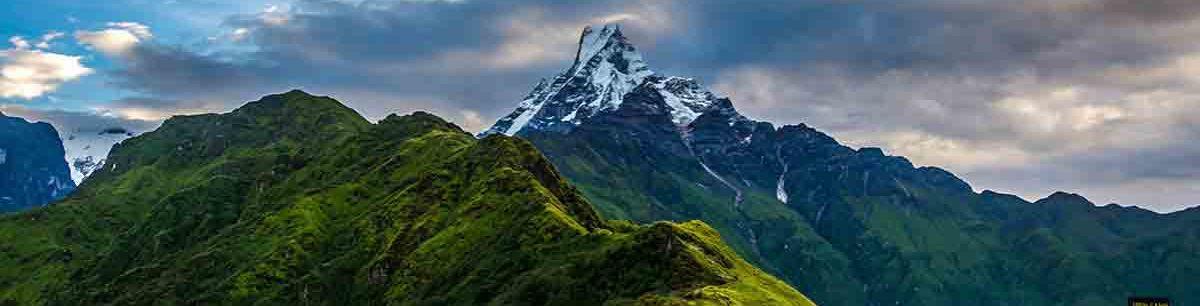
Planning a Successful Kailash Mansarovar Yatra in 2026: Complete Guide for Pilgrims

The Kailash Mansarovar Yatra is one of the most sacred and challenging pilgrimages in the world. Every year, thousands of devotees from India and around the globe undertake this spiritual journey to Mount Kailash and Lake Mansarovar, considered the abodes of divinity in Hinduism, Buddhism, Jainism, and Bon. For pilgrims, the Yatra is not just a travel experience—it is a profound spiritual quest promising blessings, purification, and self-transformation.

Planning this journey in 2026 requires careful preparation. Changes in travel regulations, updated permit processes, and logistics make advance planning essential. This guide explains how to plan a successful Kailash Mansarovar Yatra in 2026, covering route options, travel requirements, physical preparation, budget considerations, and spiritual guidance.


Why the Kailash Mansarovar Yatra Is Special

Mount Kailash is considered sacred across multiple religions:

  • Hinduism: Abode of Lord Shiva
  • Buddhism: Home of Demchok (Chakrasamvara)
  • Jainism: Site where Rishabhadeva attained liberation
  • Bon: Center of spiritual universe and meditation

Lake Mansarovar, nearby, is believed to cleanse sins and grant spiritual merit. A journey to this region combines awe-inspiring natural beauty—snow-capped peaks, glaciers, and pristine lakes—with a deep spiritual purpose.


Understanding the Routes to Kailash Mansarovar in 2026

There are three main routes for the Yatra:

The Lipulekh Pass Route (India to Tibet)

  • The most popular option for Indian pilgrims
  • Passes through Uttarakhand (India) → Lipulekh → Tibet → Kailash
  • Approximate duration: 14–16 days
  • Suitable for moderate to experienced trekkers

Advantages:

  • Shorter overland distance from India
  • Well-established infrastructure
  • Managed by Indian government Yatra organizers

Considerations:

  • Altitude reaches 5,200 m at Lipulekh
  • Requires physical preparation for long treks and high-altitude conditions

Nathu La Pass Route (Sikkim → Tibet)

  • Alternative route primarily for Sikkim pilgrims
  • Duration: 16–18 days
  • Scenic Himalayan landscapes and Tibetan culture

Advantages:

  • Lesser crowd compared to Lipulekh route
  • Offers cultural immersion in Tibetan monasteries

Considerations:

  • Fewer medical and logistical facilities
  • Requires additional permits

Kathmandu to Nepal–Tibet Route

  • Popular for international travelers
  • Travel from Kathmandu → Nepalgunj → Tibet → Kailash
  • Duration: 18–22 days including acclimatization

Advantages:

  • International accessibility
  • Opportunity to visit Mount Everest region or Lumbini before or after the Yatra

Considerations:

  • Longer journey
  • Requires additional travel documents and permits

Key Travel Requirements for 2026

To undertake the Kailash Mansarovar Yatra safely and legally, travelers must follow government regulations:

  1. Entry Permits:
    • Indian citizens require the official Kailash Mansarovar Yatra permit issued by the Ministry of External Affairs.
    • International pilgrims need a Tibet Travel Permit (TTB) issued through an authorized travel agency.
  2. Visa Requirements:
    • Indian citizens: No visa required for Tibet; only permit necessary
    • International travelers: Chinese visa required for Tibet, processed via travel agencies
  3. Travel Insurance:
    • Mandatory for high-altitude medical coverage
    • Must include emergency evacuation
  4. Medical Clearance:
    • Required for age limits (typically 18–75)
    • Must be medically fit to trek at high altitude

Physical Preparation and Health Considerations

The Kailash Mansarovar Yatra involves trekking at altitudes above 5,000 meters, crossing mountain passes, and enduring extreme weather. Preparation is crucial.

Fitness Preparation

  • Cardiovascular training: running, cycling, brisk walking
  • Strength training: legs, core, back
  • Hiking with backpacks at moderate elevation

Acclimatization Tips

  • Schedule acclimatization days at Darchen, Saga, or Nyalam
  • Ascend slowly to prevent Acute Mountain Sickness (AMS)
  • Hydrate frequently and eat light meals

Essential Health Items

  • Oxygen cylinders or concentrators (optional but recommended)
  • Altitude sickness medication (consult doctor)
  • First aid kit and trekking poles

When to Undertake the Yatra in 2026

The best months for the Kailash Mansarovar Yatra are May to September, depending on route and weather:

  • Spring (May–June): Mild temperatures, fewer landslides, ideal for pilgrims
  • Monsoon Season (July–August): Risk of landslides; less popular
  • Autumn (September): Clear skies, excellent mountain visibility

Winter months (November–March) are typically not recommended due to heavy snowfall and extreme cold.


Accommodation and Logistics

Accommodation along the Yatra is basic, primarily guesthouses, tents, and dharamshalas. Modern amenities may be limited in remote areas, especially at Darchen or near Lake Mansarovar.

Packing Essentials

  • Warm clothing and layered outfits
  • Sturdy trekking boots and gaiters
  • Sleeping bags suitable for sub-zero temperatures
  • Portable water purification and snacks

Food and Water

  • Meals generally include simple vegetarian dishes
  • Carry energy bars, dry fruits, and electrolyte powders
  • Water bottles must be filtered or boiled

Spiritual Practices During the Yatra

The Yatra is as much about spiritual reflection as physical trekking:

  • Parikrama (Circumambulation): Circumambulate Mount Kailash clockwise (approximately 52 km), usually in 3 days
  • Prayers and Meditation: Daily spiritual rituals at monasteries and sacred sites
  • Bathing in Lake Mansarovar: Considered purifying and spiritually rewarding
  • Offering Ceremonies: Light butter lamps, chant mantras, and make symbolic offerings

Participating in these practices deepens the pilgrim’s connection to the sacred landscape.


Budget Planning for Kailash Mansarovar Yatra 2026

Costs vary depending on route, duration, and service level:

ExpenseApproximate Cost (INR / USD)
Yatra Permit₹35,000–₹45,000 (~$450–$550) for Indian pilgrims
Tibet Travel Permit (International)$200–$300
Flights (Kathmandu / Delhi to Nepalgunj / Lhasa)₹15,000–₹35,000 (~$180–$420)
Accommodation & Meals₹500–₹2,500/day (~$6–$30)
Trekking Assistance (Guide/Porter)₹1,500–₹3,500/day (~$18–$45)
Miscellaneous (gear, medical, insurance)₹10,000–₹20,000 (~$120–$250)

Average cost for a 15–18 day Yatra:

  • Budget pilgrims: ₹1.5–₹2.0 lakhs (~$1,800–$2,400)
  • Mid-range: ₹2.5–₹3.5 lakhs (~$3,000–$4,200)
  • Luxury packages: ₹4.0 lakhs+ (~$4,800+)

Tips for a Successful Yatra

  1. Book Early: Permits and flights fill quickly, especially in peak season.
  2. Travel With Trusted Agencies: Authorized tour operators handle permits, guides, and logistics.
  3. Carry Cash: ATMs are scarce; currency exchange is limited in remote areas.
  4. Respect Local Customs: Offer prayers, remove shoes in monasteries, follow environmental guidelines.
  5. Prepare for Emergencies: Know evacuation routes and carry essential medication.
  6. Group Travel Benefits: Travel in groups for safety, shared guidance, and porter support.

The Transformative Experience of Kailash Mansarovar

Completing the Kailash Mansarovar Yatra is physically challenging, yet many pilgrims describe it as life-changing. Visitors often report:

  • Mental clarity and spiritual awakening
  • Increased resilience and patience
  • Sense of humility and connectedness with nature
  • Strengthened devotion and faith

The combination of majestic mountains, sacred sites, and serene landscapes creates an unparalleled spiritual journey.


Conclusion: Planning Your 2026 Kailash Mansarovar Yatra

A successful Kailash Mansarovar Yatra in 2026 requires preparation, awareness, and intention. From choosing the right route—Lipulekh, Nathu La, or Nepal-Tibet—to securing permits, preparing physically, and understanding the cultural and spiritual significance, every step matters.

This pilgrimage is more than a trek—it is a journey into the heart of devotion, resilience, and inner transformation. With careful planning and respect for local traditions, your 2026 Yatra can be safe, fulfilling, and spiritually enriching.

Nepal and Tibet await those ready to walk the path of the gods and witness the grandeur of Mount Kailash and Lake Mansarovar. Plan wisely, journey humbly, and embrace the blessings that await on this sacred path.

Kailash Mansarovar Yatra 2026 Fixed Departure Dates: Complete Guide for Pilgrims

The Kailash Mansarovar Yatra is one of the most sacred and spiritually transformative pilgrimages in Asia. Every year, thousands of devotees travel to Tibet to witness Mount Kailash, sacred to Hindus, Buddhists, Jains, and Bon followers. For 2026, fixed departure dates have been announced early to give pilgrims enough time to plan their journey well. This guide presents all Kailash Mansarovar Yatra 2026 fixed departure dates, including full moon and Saga Dawa Festival departures, along with essential planning considerations.

If you are preparing for your 2026 pilgrimage, this useful resource provides detailed information on dates, benefits of full-moon travel, route insights, weather expectations, and planning recommendations.


Why the Kailash Mansarovar Yatra Matters

Mount Kailash, standing at 6,638 meters, is described as the cosmic axis of the universe in ancient scriptures therefore this pilgrimage is believed to cleanse lifetimes of karma. Devotees also take a holy dip in Lake Mansarovar, which is said to purify the body and mind. The Kailash Kora—a 52 km circumambulation—is one of the most profound spiritual journeys on earth. Because of the trek’s complexity and high altitude, booking a reliable fixed departure date is essential.


Kailash Mansarovar Yatra Tour Fixed Departure Dates for 2026

All departure dates listed below are confirmed group departures for 2026.As a result these dates cover standard, full-moon, and festival-aligned journeys.

April 2026 Departures

  • 26th April 2026

May 2026 Departures

  • 16th May 2026
  • 25th May 2026 (Saga Dawa Festival Departure)
    Saga Dawa is one of Tibet’s most significant festivals, celebrating Buddha’s birth, enlightenment, and parinirvana.

June 2026 Departures

  • 13th June 2026
  • 26th June 2026 (Full Moon Departure)

July 2026 Departures

  • 11th July 2026
  • 25th July 2026 (Full Moon Departure)

August 2026 Departures

  • 22nd August 2026

September 2026 Departures

  • 05th September 2026
  • 19th September 2026

October 2026 Departures

  • 03rd October 2026
  • 23rd October 2026 (Full Moon Departure)

These dates offer multiple options across the 2026 pilgrimage season, ensuring flexibility for pilgrims with different schedules and spiritual preferences.


Benefits of Choosing a Fixed Departure Date

Booking a Kailash Mansarovar Yatra on a fixed departure schedule has several advantages:

1. Guaranteed Group Formation

Fixed departures ensure minimum group size,Hence making logistics smoother and cost-effective.

2. Pre-arranged Permits

Travel to Tibet requires several layers of permits. As a result fixed departures help operators organize documentation well in advance.

3. Predictable Itinerary and Safety Support

Organized group departures come with experienced guides, medical support, and reliable transport, essential for high-altitude travel.

4. Festival and Full-Moon Alignment

Many pilgrims prefer full-moon dates or festival departures like Saga Dawa for deeper spiritual experiences.


Why Choose Full-Moon Departures in 2026?

The full-moon period around Kailash and Mansarovar is considered spiritually powerful. During the full moon, the reflection of Mount Kailash on Lake Mansarovar is breathtaking. Many pilgrims also believe that performing the Kora during a full moon accelerates spiritual merit.

Full-moon dates for 2026 include:

  • 26th June 2026
  • 25th July 2026
  • 23rd October 2026

These departures are usually in highest demand, therefore early booking is recommended.


Why Saga Dawa Festival Departure Is Special (25th May 2026)

The Saga Dawa Festival is one of Tibet’s holiest celebrations. It marks:

  • Buddha’s birth
  • Buddha’s enlightenment
  • Buddha’s death (parinirvana)

During this festival, thousands of Tibetan pilgrims gather at Tarboche (Darchen) to witness the ceremonial raising of the Tarboche Prayer Flag Pole, an event symbolizing spiritual renewal. Therefore joining the Kailash Mansarovar Yatra during Saga Dawa offers a rare cultural experience combined with the spiritual power of the pilgrimage.


Best Time to Join Kailash Mansarovar Yatra in 2026

The Yatra season runs from late April to late October. Each period has unique benefits:

April–May

  • Clear skies, pleasant temperatures
  • Ideal for early-season pilgrims
  • Saga Dawa Festival in May

June–July

  • Peak travel window
  • Warmest period, easier walking conditions
  • Full-moon experiences

August–September

  • Stable weather
  • Smaller crowds compared to June–July

October

  • Crisp, clear views
  • Final window before winter conditions

Your ideal date depends on your preferred weather, spiritual alignment, and group size.


Typical Itinerary for Kailash Mansarovar Yatra 2026

Although itineraries vary, most follow this structure:

Days 1–3: Arrival and acclimatization in Kathmandu

  • Permit preparation
  • Yatra briefing
  • Sightseeing and rest

Days 4–6: Entering Tibet (Kerung/Saga route)

  • Drive through Himalayan valleys
  • Gradual altitude acclimatization

Day 7: Arrival at Lake Mansarovar

  • Holy Lake exploration
  • Rituals and meditation

Days 8–10: Kailash Kora (Circumambulation)

  • Trek to Dirapuk
  • Dolma La Pass crossing
  • Return to Darchen

Days 11–14: Return journey and departure

This structure ensures proper acclimatization and a smooth pilgrimage experience.


Preparing for Kailash Mansarovar Yatra 2026

To fully enjoy your journey, consider the following:

1. Health and Fitness Preparation

The Kora involves high-altitude trekking. Begin cardio and strength training at least three months in advance.

2. Passport and Visa Requirements

A valid passport with at least six months’ validity is mandatory. Your operator will handle Tibetan permits.

3. Clothing and Gear

Pack in layers. Weather can shift dramatically at high altitude.

4. Insurance

Select insurance that covers high-altitude evacuation and medical emergencies.

5. Early Booking

Full-moon and Saga Dawa departures fill quickly. Early reservation ensures availability and better pricing.


Why the 2026 Yatra Is Expected to Be Special

With global travel stabilizing and improved infrastructure in Tibet, the 2026 Kailash Mansarovar Yatra season is anticipated to be smoother, safer, and more accessible than previous years. New accommodations, well-coordinated logistics, and advanced safety protocols make 2026 a promising year for pilgrims.


In Conclusion

The Kailash Mansarovar Yatra 2026 fixed departure dates offer multiple options for pilgrims seeking a spiritually meaningful journey. Whether you prefer a full-moon experience, the vibrant energy of the Saga Dawa Festival, or a quieter month later in the season, there is a suitable departure for every traveler.

By planning early and choosing the right date, you ensure a safe, peaceful, and transformative pilgrimage to the sacred land of Mount Kailash and Lake Mansarovar.

Kailash Mansarovar Yatra Reopens: A Spiritual Journey of a Lifetime for Indian Pilgrims

Sacred Mount Kailash and Its Significance

The Kailash Mansarovar Yatra revolves around the majestic Mount Kailash, which rises to an altitude of 6,638 meters in the Tibet Autonomous Region of China. For Hindus, this peak is the divine abode of Lord Shiva, making it one of the holiest pilgrimage sites in the world. Buddhists honor Kailash as the cosmic center of the universe. Jains revere it as the place where their first Tirthankara attained liberation, while Bon followers consider it a source of supreme spiritual energy.

Beside the sacred mountain lies Lake Mansarovar, one of the highest freshwater lakes in the world at 4,590 meters. Pilgrims bathe in its crystal-clear waters for ritual purification and spiritual renewal. The highlight of the journey is the Kailash Parikrama, a three-day circumambulation around the mountain. Devotees believe that completing this trek cleanses sins and brings enlightenment. However, the high-altitude terrain demands physical endurance, mental resilience, and thorough preparation.


Kailash Mansarovar Yatra 2026 Resumption

After five years of suspension, the Kailash Mansarovar Yatra reopened in 2026. The halt since 2020 resulted mainly from the COVID-19 pandemic and strained India-China relations. On January 27, 2026, officials from both nations held crucial talks and agreed to restart the pilgrimage. Direct flights and reopened border checkpoints, including Kodari on the Nepal-China Friendship Highway and Kerung (Rasuwagadhi), now make the sacred journey possible again.

For Indian pilgrims, the resumption marks a historic moment. Thousands of devotees have already registered, eager to experience this once-in-a-lifetime spiritual adventure. The reopening not only revives ancient traditions but also strengthens cultural ties between regions long connected through faith.


Official Travel Routes for 2026

Nepal Route (Most Popular)

The Nepal route begins in Kathmandu, where pilgrims obtain Chinese visas and travel permits. From there, groups head to the Nepal-Tibet border at Kerung/Rasuwagadhi. After crossing into Tibet, the journey continues through Saga before reaching Lake Mansarovar. Pilgrims perform holy rituals at the lake, then proceed to Darchen, the base camp for the Parikrama.

The three-day trek circles Mount Kailash via Dirapuk, Dolma La, and Zuthulpuk passes, testing endurance yet rewarding pilgrims with unmatched spiritual energy. The return follows the same path back to Kathmandu.

China Route (Via Lhasa)

Another option begins in Lhasa, Tibet, with permits arranged by authorized operators. Pilgrims then travel overland to Mansarovar and Kailash. While this route is open for Indian pilgrims in 2026, most choose the Nepal route due to easier logistics and cultural familiarity.

Both routes require official permits, medical clearance, and registration with accredited tour operators to ensure safety and compliance.


Permit and Travel Requirements

Indian pilgrims must secure:

  • A valid Chinese visa and Tibetan Travel Permit (issued in New Delhi).
  • A Restricted Area Permit if traveling through Nepal.
  • Comprehensive insurance coverage for emergencies, including altitude sickness and medical evacuation.

Medical examinations are strongly advised before departure. Since facilities along the route are limited, pilgrims should carry personal medicines and supplies.

Acclimatization stops are mandatory to avoid altitude sickness. Cash is recommended because ATMs are unavailable in remote areas like Simikot or Hilsa. Reliable communication devices with roaming or messaging apps help maintain connectivity.


Age and Health Guidelines

Authorities have issued updated rules for 2026:

  • Mount Kailash trekking route: 10 to 70 years
  • Kailash Aerial Darshan: Open to all ages
  • Limi Lapcha Valley route: 12 to 55 years

Pilgrims with chronic heart or respiratory issues may face restrictions or require special clearance. Children under 10 and seniors over 70 are discouraged from trekking because of extreme altitude challenges. These guidelines help prevent medical emergencies and ensure a safer pilgrimage.


Challenges Pilgrims Should Expect

The Kailash Mansarovar Yatra is profoundly spiritual, but it also demands resilience. Pilgrims encounter:

  • Thin air and oxygen deficiency above 4,500 meters
  • Harsh weather conditions with sudden temperature drops
  • Basic facilities, especially on the Nepal-Tibet border route
  • Large crowds during full moon days and peak season
  • Steep and rocky trails during the Parikrama

Preparation is key. Regular exercise, breathing practice, and altitude training help build stamina. Ponies and yaks are available for those unable to trek the full circuit. Elderly pilgrims or families with children often choose these options to complete the Parikrama safely.

Packing essentials include layered clothing, sturdy footwear, medicines, cash, valid ID, and spiritual items for rituals.


Spiritual and Cultural Importance

The Kailash Mansarovar Yatra is not just a trek—it is a transformative journey. Circumambulating Mount Kailash is believed to absolve lifetimes of sins and invite divine blessings. Bathing in Lake Mansarovar represents purification of body and soul.

The pilgrimage unites Hindus, Buddhists, Jains, and Bon practitioners, reflecting the universal reverence for this Himalayan sanctuary. Many devotees undertake the Yatra as fulfillment of a vow (known as Bhakal), considering it their ultimate spiritual calling.


Final Thoughts

The reopening of the Kailash Mansarovar Yatra in 2026 has rekindled faith and devotion among Indian pilgrims. This sacred journey combines breathtaking landscapes, deep cultural connections, and immense spiritual rewards.

With proper preparation, official permits, and guidance from experienced operators, pilgrims can embark on a safe and meaningful adventure. The Yatra stands as a timeless reminder of resilience, faith, and the unbreakable bond between humanity and the divine.

Best Time to Visit Mount Kailash: A Comprehensive Guide

Mount Kailash, the majestic and sacred peak located in the remote reaches of western Tibet, holds immense spiritual and geographical significance. Revered in Hinduism, Buddhism, Jainism, and the Bon religion, this pyramid-shaped mountain is believed to be the abode of Lord Shiva, the center of the universe, and the site of ultimate liberation. Every year, thousands of pilgrims and trekkers attempt the Kailash Kora — a 52-kilometer circumambulation — for religious merit and the experience of a lifetime.

Given its extreme altitude, remote location, and climatic variability, timing your visit to Mount Kailash is crucial for a safe and fulfilling journey. In this article, we explore in detail the best time to visit Mount Kailash, climate considerations, season-wise breakdowns, pilgrimage timings, travel restrictions, and essential travel tips.

Climate and Geographic Overview

Mount Kailash stands at 6,638 meters (21,778 feet) above sea level, surrounded by high-altitude plateaus, arid landscapes, and the serene Lake Mansarovar. The region falls in the Trans-Himalayan zone, characterized by a cold desert climate.

General Climate:

  • Temperature Range: -15°C to 20°C
  • Altitude: Above 4,500 meters for most of the Kora
  • Precipitation: Sparse, but possible snow or rain showers, especially in summer

The mountain itself is never climbed, due to its religious sanctity, but the trek around it — usually completed in 3 days — is physically demanding. The oxygen level is roughly 50% of that at sea level, making acclimatization and timing even more important.

Best Time to Visit: Late April to Mid-October

The optimal time to visit Mount Kailash is between late April and mid-October. During this window, the weather is relatively stable, trails are accessible, and visibility is high. However, within this period, there are further distinctions in terms of climate comfort, religious significance, and travel feasibility.

Let’s explore the key months in detail.

Month-by-Month Breakdown

April to Early May: Beginning of the Season

  • Temperature: -5°C to 10°C
  • Landscape: Snow still lingers in higher elevations; ice may cover parts of the trail.

Pros:

  • Fewer crowds
  • Clear skies for photography

Cons:

  • Cold nights
  • Risk of altitude sickness higher due to low temperatures

This period marks the beginning of the trekking season. It’s ideal for seasoned trekkers and pilgrims who prefer solitude and scenic snow-clad peaks.

Mid-May to June: Ideal Conditions Begin

  • Temperature: 0°C to 15°C
  • Weather: Warmer days, snow begins to melt

Pros:

  • Comfortable daytime temperatures
  • Good trail conditions
  • Increasing religious activity

This is when the number of pilgrims starts to rise. The Mount Kailash Kora becomes more accessible, and the Lake Mansarovar area is generally ice-free, offering stunning reflections of the sacred peak.

July to Mid-September: Monsoon and Peak Pilgrimage Time

  • Temperature: 5°C to 18°C
  • Weather: Occasional rain showers; cloud cover at times

Pros:

  • Lush surroundings and blooming alpine flora
  • Major religious festivals like Saga Dawa
  • Easier road access due to snowmelt

Cons:

  • Risk of landslides on roads from Nepal
  • Cloudy skies may obstruct views

Despite being the monsoon season, the Mount Kailash region receives less rainfall compared to other Himalayan areas. However, travel from Nepal (via Simikot or Kathmandu) may face disruptions due to landslides or flight delays.

Saga Dawa Festival (Usually in May or June):

This Buddhist festival commemorates the birth, enlightenment, and death of Lord Buddha. It draws thousands of pilgrims to Mount Kailash, making it a spiritually rich — yet crowded — time to visit. Experiencing the chanting, prayer flags, and spiritual energy is unforgettable.

Mid-September to Mid-October: Last Best Window

  • Temperature: -2°C to 12°C
  • Weather: Crisp air, clear skies, colorful autumn landscapes

Pros:

  • Best visibility
  • Fewer tourists after summer
  • Excellent for photography and meditation

This period is ideal for travelers seeking peace and scenic beauty. The post-monsoon clarity offers unmatched views of the mountain and Lake Mansarovar. Trails are dry and safe.

Late October to March: Off-Season

  • Temperature: -15°C to 5°C
  • Weather: Extremely cold, snow-covered trails

Cons:

  • Harsh weather
  • Closed guesthouses and limited food supply
  • Road blocks and potential snowstorms

Due to extreme cold and inaccessibility, travel during this period is strongly discouraged unless part of a specialized winter expedition. The area becomes largely deserted.

Religious and Cultural Timings

Aside from weather, many visitors time their journeys to coincide with important religious events.

Key Pilgrimage Events:

  • Saga Dawa (May/June): Most important Buddhist festival; large gatherings, chanting, prayer offerings
  • Full Moon Days: Many pilgrims aim to complete the Kora during a full moon for spiritual merit
  • Shiva Ratri (February): Though not an ideal time climatically, it holds significance for Hindu pilgrims

Many Indian and Tibetan pilgrims prefer traveling during the lunar months according to the Hindu and Tibetan Buddhist calendars, adding a spiritual dimension to the journey.

Accessibility and Permits

Entry Routes:

  • Via Nepal (Kathmandu to Tibet via Lhasa or Simikot)
  • Via India (Lipulekh Pass, Uttarakhand – through the Indian government-organized Yatra)
  • Via Mainland China (Chengdu, Lhasa)

Each route has different optimal times:

  • Simikot route (Nepal) is sensitive to monsoon rains (avoid July-August)
  • Lhasa route is more stable, year-round, but still best between May and October

Permit Requirements:

  • Tibet Travel Permit
  • Alien Travel Permit
  • Military Permit (for sensitive border areas)

Chinese Visa

These are typically arranged by travel agencies, especially those based in Lhasa or Kathmandu. Independent travel to Mount Kailash is not allowed; you must join an organized tour.

Accommodations and Facilities

Basic guesthouses and tented camps are available along the Kora and in nearby towns like Darchen, the starting point of the trek. These are functional only during the trekking season (May to October). During off-season, most facilities shut down, and self-sufficiency becomes necessary.

Expect minimal amenities — no showers, shared toilets, and limited electricity. However, spiritual serenity and the beauty of the Himalayas compensate for the discomfort.

Health and Safety Considerations

Altitude Sickness:

  • Start acclimatizing from Lhasa or Simikot
  • Spend 2-3 days at Lake Mansarovar or Darchen before starting the Kora
  • Hydrate, avoid alcohol, and consider medication like acetazolamide (Diamox)

Weather Preparedness:

  • Layered clothing (down jackets, windproof outer shell)
  • Sunglasses and sunscreen (UV is intense at altitude)
  • Sleeping bag (even in guesthouses)

Final Thoughts: When Should YOU Go?

The best time to visit Mount Kailash depends on your personal priorities:

Priority Best Time

  • Best Weather & Visibility        Late May to Early July / September
  • Spiritual Experience    Saga Dawa Festival (May/June)
  • Fewer Crowds April or Late September
  • Ideal Photography      September to early October
  • Avoid Rain/Mud          May, September

For most travelers, late May to mid-June or early September strikes the perfect balance between accessibility, weather, and spiritual atmosphere.

Conclusion

Visiting Mount Kailash is not just a journey through high-altitude wilderness — it’s a profound inner experience. Whether you’re a spiritual seeker, adventure traveler, or cultural explorer, the time you choose to embark on this sacred pilgrimage will shape your entire experience. With proper planning, acclimatization, and an open heart, the journey to Mount Kailash can be the most unforgettable and transformative voyage of your life.

Embarking on the Spiritual Odyssey: The Magnificence of Kailash Mansarovar Yatra For Indians

In the heart of the Himalayas lies a sacred pilgrimage revered by millions for centuries – the Kailash Mansarovar Yatra. Embarking on this spiritual odyssey is not merely a journey of physical endurance but a profound exploration of one’s inner sanctum and spiritual quest. For Indians, this pilgrimage holds an unparalleled significance, weaving together the tapestry of ancient mythology, religious devotion, and natural wonder. In this comprehensive guide, we delve into the depths of Kailash Mansarovar Yatra, uncovering its historical, cultural, and spiritual dimensions.

Historical and Mythological Roots:

The roots of Kailash Mansarovar Yatra trace back to the annals of Hindu mythology, where Mount Kailash finds its mention as the celestial abode of Lord Shiva. According to Hindu beliefs, Mount Kailash is the axis mundi, the center of the universe, around which all cosmic forces revolve. It is here that Lord Shiva, the supreme ascetic, is said to reside in perpetual meditation, epitomizing the eternal and immutable nature of existence.

The significance of Mansarovar Lake intertwines with this mythological narrative, believed to be created by Lord Brahma, the creator of the universe. As per Hindu scriptures, a dip in the pristine waters of Mansarovar cleanses one’s sins and paves the way for spiritual liberation.

Check Kailash Mansarovar Yatra Package

Spiritual Significance:

For devout Hindus, embarking on the Kailash Mansarovar Yatra is a lifelong aspiration and a pinnacle of spiritual achievement. The journey is not merely about visiting sacred sites but undergoing a transformative inner journey, seeking communion with the divine.

The arduous trek around Mount Kailash, known as the Kailash Parikrama, is considered a test of one’s physical endurance and spiritual resolve. Pilgrims traverse rugged terrains, high mountain passes, and precarious trails, all the while immersed in prayers, chants, and meditation. The journey is as much about overcoming external obstacles as it is about conquering one’s inner demons, symbolizing the triumph of spirituality over worldly desires.

Check Kailash Mansarovar Yatra Package

Cultural Reverence and Traditions:

The Kailash Mansarovar Yatra is deeply entrenched in the cultural fabric of India, embodying the country’s rich heritage and spiritual ethos. Pilgrims hail from diverse backgrounds, yet they are united by a common thread of faith and devotion.

Throughout the journey, pilgrims partake in age-old rituals and traditions, offering prayers at sacred shrines, lighting butter lamps, and performing circumambulations around Mount Kailash. The atmosphere is charged with devotion, resonating with the melodious chants of “Om Namah Shivaya” that reverberate through the Himalayan valleys.

Check Kailash Mansarovar Yatra Package

Logistical Challenges and Preparations:

Undertaking the Kailash Mansarovar Yatra is not without its challenges. The remote location, extreme weather conditions, and rugged terrain make it a daunting expedition even for the most seasoned travelers. Proper planning, preparation, and physical fitness are imperative for a successful yatra.

Pilgrims need to acquire necessary permits, arrange for transportation, accommodation, and logistics well in advance. Additionally, acclimatization to high altitudes is crucial to prevent altitude sickness and ensure a safe journey.

Check Kailash Mansarovar Yatra Package

Contemporary Significance:

In contemporary times, the Kailash Mansarovar Yatra continues to draw pilgrims from across India and the world, transcending boundaries of religion, nationality, and culture. The yatra serves as a symbol of India’s enduring spiritual legacy and cultural diplomacy, fostering goodwill and understanding among nations.

Moreover, the yatra holds immense economic significance for the regions surrounding Mount Kailash, providing livelihood opportunities for local communities through tourism and pilgrimage-related activities.

Check Kailash Mansarovar Yatra Package

Faqs about Kilash Mansarovar Yatra For Indians:

Here’s a set of frequently asked questions (FAQs) regarding the Kailash Mansarovar Yatra for Indian passport holders:

What is the Kailash Mansarovar Yatra?

The Kailash Mansarovar Yatra is a sacred pilgrimage to Mount Kailash and Lake Mansarovar, located in the Tibetan Autonomous Region of China. It holds deep religious significance for Hindus, Buddhists, Jains, and Bon followers.

Who is eligible to undertake the Kailash Mansarovar Yatra?

Indian citizens with a valid non-Indian passport are eligible to participate in the Kailash Mansarovar Yatra. However, there may be certain age and health restrictions in place.

How can I apply for the Kailash Mansarovar Yatra?

Indian citizens can apply for the Kailash Mansarovar Yatra through the Ministry of External Affairs, Government of India. The application process typically involves filling out an online application form and providing necessary documents such as passport details, medical certificates, and other relevant information.

When does the Kailash Mansarovar Yatra take place?

The Kailash Mansarovar Yatra usually takes place from May to September each year, coinciding with favorable weather conditions and accessibility of the pilgrimage route.

What is the duration of the Kailash Mansarovar Yatra?

The duration of the Kailash Mansarovar Yatra varies depending on the route chosen and the mode of transportation. It typically ranges from 15 to 25 days, including travel time from India to the starting point of the yatra, the actual pilgrimage, and the return journey.

What are the different routes for the Kailash Mansarovar Yatra?

The two main routes for the Kailash Mansarovar Yatra are the Lipulekh Pass route via Uttarakhand and the Nathu La Pass route via Sikkim. The Lipulekh Pass route is the traditional route, while the Nathu La Pass route is relatively newer and more accessible.

What are the physical fitness requirements for the Kailash Mansarovar Yatra?

The Kailash Mansarovar Yatra involves trekking at high altitudes and rugged terrain, which can be physically demanding. Pilgrims are required to be in good health and physical condition, with adequate stamina and endurance for the journey. It is advisable to undergo a medical check-up before embarking on the yatra.

What permits and documents are required for the Kailash Mansarovar Yatra?

NRI Indian citizens need to obtain necessary permits and documents, including the Inner Line Permit (ILP) for the Lipulekh Pass route or the Restricted Area Permit (RAP) for the Nathu La Pass route. Other documents such as passport, visa, medical certificates, and undertaking forms may also be required.

What are the accommodation and facilities available during the Kailash Mansarovar Yatra?

Accommodation during the Kailash Mansarovar Yatra typically includes guesthouses, tents, and basic lodges along the pilgrimage route. Basic facilities such as food, water, medical assistance, and communication services are available at designated stopovers and campsites.

What are the safety and security measures in place for the Kailash Mansarovar Yatra?

The Indian government, in coordination with local authorities and agencies, ensures safety and security for pilgrims undertaking the Kailash Mansarovar Yatra. This includes providing medical assistance, emergency evacuation services, and maintaining communication channels throughout the journey.

Is photography allowed during the Kailash Mansarovar Yatra?

Photography is generally allowed during the Kailash Mansarovar Yatra, except in restricted or sensitive areas where special permissions may be required. Pilgrims are advised to respect local customs and sensitivities regarding photography, particularly at religious sites and monasteries.

What should I carry during the Kailash Mansarovar Yatra?

Pilgrims should carry essential items such as warm clothing, trekking gear, sturdy footwear, personal medications, toiletries, sunscreen, sunglasses, and a first aid kit. It is advisable to pack light and carry only necessary items due to weight restrictions on vehicles and porters.

Can I undertake the Kailash Mansarovar Yatra independently or do I need to join a group?

Indian citizens can undertake the Kailash Mansarovar Yatra either independently or as part of a group organized by the Ministry of External Affairs or registered tour operators. Joining a group provides logistical support, safety measures, and a sense of camaraderie during the pilgrimage.

Are there any cultural or religious customs to be observed during the Kailash Mansarovar Yatra?

Pilgrims are expected to observe certain cultural and religious customs during the Kailash Mansarovar Yatra, such as offering prayers, performing circumambulations (parikrama) around Mount Kailash and Lake Mansarovar, and respecting local customs and traditions.

What is the significance of the Kailash Mansarovar Yatra for Indian passport holders?

The Kailash Mansarovar Yatra holds profound spiritual significance for Indian passport holders, as it is believed to bestow blessings, purification, and spiritual merit. It is considered a once-in-a-lifetime opportunity to undertake this sacred pilgrimage and seek the divine grace of Lord Shiva.

These FAQs aim to provide comprehensive information for Indian passport holders planning to undertake the Kailash Mansarovar Yatra, addressing common queries and concerns related to the pilgrimage process, logistics, safety, and cultural aspects

Conclusion:

In conclusion, the Kailash Mansarovar Yatra stands as a testament to the enduring spirit of human quest for transcendence and enlightenment. For Indians, it is not merely a pilgrimage but a sacred journey of self-discovery, faith, and devotion. As pilgrims tread the ancient trails of the Himalayas, they are reminded of the timeless wisdom enshrined in its snow-capped peaks and crystal-clear waters – a wisdom that transcends the boundaries of time and space, guiding humanity towards the eternal light of truth and liberation.