Understanding Trekking Risks in the Himalayas: Complete Safety and Risk Management Guide

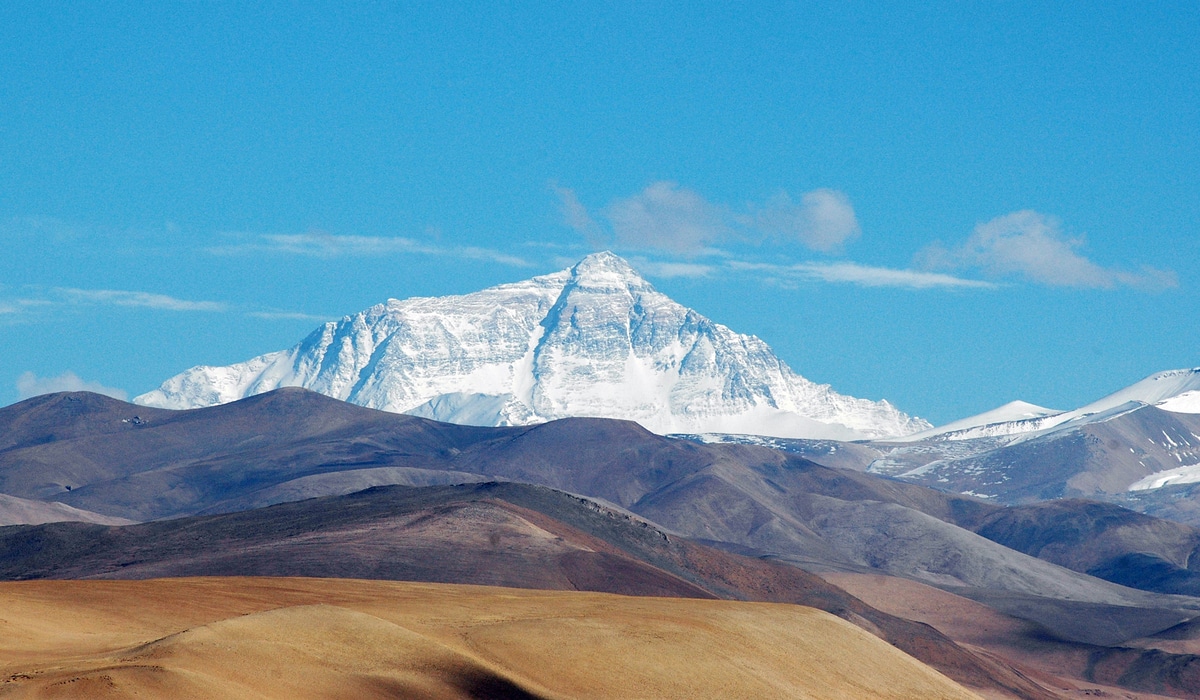
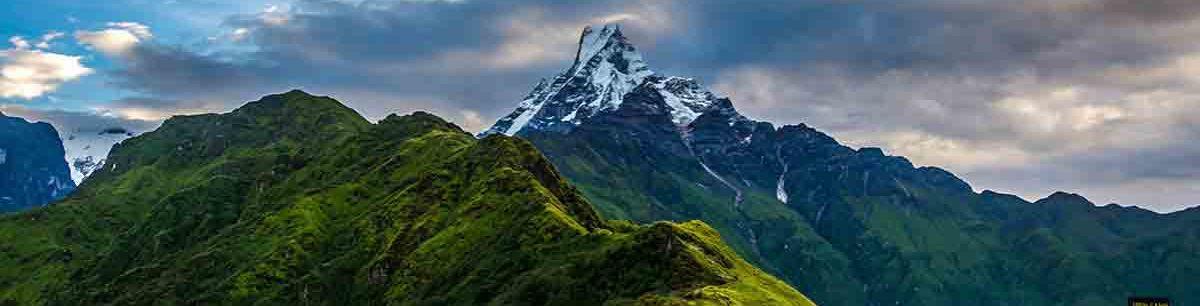
Trekking in the Himalayas is one of the most extraordinary travel experiences in the world. Towering snow-capped peaks, ancient mountain villages, breathtaking valleys, and diverse cultures attract thousands of adventure seekers every year. However, while the beauty of the Himalayan region is unmatched, trekkers must also understand the trekking risks in the Himalayas before planning their journey.

From unpredictable weather conditions to altitude sickness and remote terrain, trekking in this region requires careful planning, proper training, and awareness of potential hazards. A well-prepared trekker can enjoy the adventure safely while minimizing risks. This comprehensive guide explains the major trekking risks in the Himalayas and provides professional risk management strategies to ensure a safe and memorable trekking experience.


Why Understanding Trekking Risks in the Himalayas Is Important

The Himalayan mountain range stretches across several countries including Nepal, India, Bhutan, Tibet (China), and Pakistan. Many trekking routes pass through remote areas where medical facilities, transportation, and communication networks are limited.

Understanding trekking risks in the Himalayas is essential for several reasons:

  • Ensures safety in high-altitude environments
  • Helps trekkers prepare physically and mentally
  • Reduces chances of accidents or health emergencies
  • Improves decision-making during challenging conditions

Even experienced hikers can face difficulties in the Himalayas due to the region’s extreme altitude and weather conditions. Therefore, proper risk awareness is the first step toward a safe adventure.


Major Trekking Risks in the Himalayas

Although trekking is generally safe with proper preparation, certain risks are common in the Himalayan environment. Being aware of these risks allows trekkers to take preventive measures.

Altitude Sickness

Altitude sickness, also known as Acute Mountain Sickness (AMS), is one of the most significant risks in Himalayan trekking. As trekkers ascend to higher elevations, the oxygen level decreases, which can cause various health problems.

Common symptoms include:

  • Headaches
  • Nausea or vomiting
  • Dizziness
  • Fatigue
  • Difficulty sleeping
  • Loss of appetite

Severe forms of altitude sickness include High Altitude Pulmonary Edema (HAPE) and High Altitude Cerebral Edema (HACE), both of which require immediate medical attention.

Risk Management Tips

  • Ascend gradually and follow the “climb high, sleep low” principle
  • Take regular acclimatization days
  • Drink plenty of water
  • Avoid alcohol and smoking
  • Descend immediately if symptoms worsen

Proper acclimatization significantly reduces the risk of altitude sickness during Himalayan treks.


Unpredictable Weather Conditions

Weather in the Himalayas can change dramatically within a short time. A clear morning can quickly turn into heavy snowfall, rain, or strong winds. Such sudden weather changes are common, particularly at higher altitudes.

Potential weather-related risks include:

  • Hypothermia
  • Snowstorms
  • Reduced visibility
  • Slippery trails
  • Cold-related illnesses

Risk Management Tips

  • Always check weather forecasts before starting a trek
  • Carry proper clothing layers
  • Avoid trekking during extreme weather conditions
  • Start trekking early in the morning
  • Always carry emergency gear

Planning your trek during the spring (March–May) or autumn (September–November) seasons can reduce weather-related risks.


Difficult Terrain and Trail Conditions

Himalayan trekking routes often include steep climbs, narrow trails, rocky terrain, and high mountain passes. Some trails also cross suspension bridges, glaciers, or landslide-prone areas.

Trekkers may face:

  • Slips and falls
  • Loose rocks
  • Steep descents
  • River crossings
  • Snow-covered paths

These conditions require good balance, stamina, and proper trekking techniques.

Risk Management Tips

  • Use trekking poles for stability
  • Wear high-quality trekking boots
  • Walk at a steady pace
  • Avoid rushing on steep or slippery trails
  • Hire experienced local guides when trekking in unfamiliar regions

Careful navigation and proper equipment can greatly reduce accidents on Himalayan trails.


Remote Locations and Limited Medical Facilities

Many Himalayan trekking routes pass through isolated villages where modern healthcare facilities are limited. In case of serious illness or injury, evacuation may require helicopter rescue, which can be expensive.

Common issues include:

  • Delayed medical assistance
  • Limited pharmacies
  • Lack of advanced treatment facilities

Risk Management Tips

  • Purchase comprehensive travel insurance covering helicopter evacuation
  • Carry a personal first aid kit
  • Trek with experienced guides or trekking agencies
  • Inform someone about your trekking itinerary

Being prepared for emergencies is crucial when trekking in remote mountain areas.


Physical Exhaustion and Fatigue

Trekking in the Himalayas demands high physical endurance. Long walking hours, steep ascents, heavy backpacks, and high altitude can lead to exhaustion.

Physical fatigue may increase the risk of:

  • Injuries
  • Poor decision-making
  • Dehydration
  • Reduced stamina

Risk Management Tips

  • Train before your trek with hiking or cardio exercises
  • Maintain a steady walking pace
  • Take regular rest breaks
  • Eat nutritious meals and stay hydrated

Proper physical preparation helps trekkers maintain energy levels throughout the journey.


Navigation and Getting Lost

While many popular trekking routes are well-marked, some remote trails can be confusing, especially during fog, snowfall, or landslides.

Trekkers may face risks such as:

  • Losing the main trail
  • Poor visibility during storms
  • Incorrect route decisions

Risk Management Tips

  • Carry offline maps or GPS devices
  • Use reliable trekking guidebooks
  • Trek with experienced guides
  • Avoid trekking alone in remote regions

Navigation awareness plays an important role in reducing trekking risks in the Himalayas.


Landslides and Natural Hazards

Certain Himalayan regions are prone to landslides, avalanches, and rockfalls. These natural hazards are often triggered by heavy rain, earthquakes, or melting snow.

Trekkers should remain cautious when passing through:

  • Steep slopes
  • Narrow mountain trails
  • Landslide-prone valleys
  • Glacier zones

Risk Management Tips

  • Follow local guide instructions
  • Avoid trekking during monsoon season
  • Move quickly but carefully through landslide zones
  • Stay updated on local conditions

Understanding regional hazards can help trekkers make safer route choices.


Essential Trekking Safety Equipment

Having the right gear is critical for minimizing trekking risks in the Himalayas. Proper equipment ensures comfort, safety, and preparedness for emergencies.

Important trekking gear includes:

  • Waterproof trekking boots
  • Thermal clothing layers
  • Down jacket
  • Sleeping bag for cold temperatures
  • Trekking poles
  • Headlamp or flashlight
  • First aid kit
  • Water purification tablets
  • GPS or offline map applications
  • Emergency whistle

Investing in quality trekking gear can make a significant difference in safety and comfort during high-altitude adventures.


The Role of Professional Guides and Porters

Hiring professional trekking guides and porters is strongly recommended for Himalayan expeditions. Local guides have extensive knowledge of the terrain, weather patterns, and emergency procedures.

Benefits of trekking with guides include:

  • Better route navigation
  • Cultural insights and local knowledge
  • Faster emergency response
  • Assistance with logistics and accommodations

Professional guides also monitor trekkers for symptoms of altitude sickness and help maintain a safe trekking pace.


Best Seasons for Safe Himalayan Trekking

Choosing the right trekking season is one of the most effective ways to reduce trekking risks in the Himalayas.

Spring (March–May)

Spring is one of the best seasons for trekking due to:

  • Mild temperatures
  • Clear mountain views
  • Blooming rhododendron forests
  • Stable weather conditions

Autumn (September–November)

Autumn is another popular trekking season because:

  • Skies are generally clear
  • Trails are dry and stable
  • Mountain visibility is excellent

Seasons to Avoid

  • Monsoon (June–August): heavy rain, landslides, slippery trails
  • Winter (December–February): extreme cold and heavy snowfall in high passes

Selecting the right season significantly improves safety and trekking enjoyment.


Mental Preparation and Responsible Trekking

Physical preparation is important, but mental readiness also plays a crucial role in safe trekking. High-altitude journeys can be mentally challenging due to long walking days, cold temperatures, and unpredictable conditions.

Responsible trekking practices include:

  • Respecting local culture and traditions
  • Avoiding environmental damage
  • Following “Leave No Trace” principles
  • Supporting local communities

A responsible mindset enhances both safety and sustainability in the Himalayas.


Emergency Preparedness in the Himalayas

Even with careful planning, emergencies can occur during trekking. Knowing how to respond quickly can save lives.

Essential emergency preparation includes:

  • Learning basic first aid skills
  • Carrying emergency contacts
  • Using satellite communication devices in remote regions
  • Having evacuation insurance coverage

Many trekking companies also provide satellite phones and emergency response systems for remote expeditions.


Conclusion

Trekking in the Himalayas offers breathtaking scenery, cultural encounters, and unforgettable adventure. However, the region’s extreme altitude, challenging terrain, and unpredictable weather conditions make it essential to understand the trekking risks in the Himalayas.

By preparing properly, choosing the right season, hiring experienced guides, and following professional risk management strategies, trekkers can safely explore some of the world’s most spectacular mountain landscapes.

Awareness, preparation, and responsible decision-making are the keys to minimizing risks and maximizing the rewards of Himalayan trekking. With the right approach, your journey through these majestic mountains can become a safe, inspiring, and life-changing experience.

Quick Inquiry Form

Short Hiking Trails for Couples in Nepal: Romantic Escapes in the Himalayas

Nepal, with its breathtaking Himalayan landscapes, lush valleys, and rich cultural heritage, is one of the most romantic destinations for couples who love adventure. Whether you are newlyweds, longtime partners, or friends seeking a memorable getaway, exploring short hiking trails for couples in Nepal allows you to experience stunning mountain vistas, charming villages, and cozy teahouses without committing to long, strenuous treks. These short trails are perfect for couples who want to combine nature, adventure, and romance in one unforgettable trip.

From panoramic sunrise views to intimate evenings in traditional teahouses, Nepal offers a variety of experiences for couples of all ages and fitness levels. In this guide, we’ll explore the best short trekking routes, day hikes, cultural experiences, romantic highlights, and practical advice to make your Himalayan adventure safe, comfortable, and unforgettable.


Why Couples Should Choose Short Hiking Trails in Nepal

Choosing short hiking trails for couples in Nepal comes with several advantages:

  1. Romantic Mountain Views – Short treks like Ghorepani Poon Hill and Mardi Himal offer stunning Himalayan vistas perfect for sunrise and sunset moments. Holding hands while watching golden peaks glow is a memory you will cherish forever.
  2. Cultural Immersion – Many trails pass through traditional villages of Gurung, Newar, and Magar communities. Couples can experience local customs, festivals, and cuisines, making the journey more meaningful.
  3. Cozy Accommodation – Teahouses and lodges along short trails provide intimate settings for couples. Enjoy warm dinners, shared rooms with mountain views, and quiet evenings by the fire.
  4. Accessibility and Convenience – Short treks are easier to plan and manage. Couples can enjoy the Himalayan experience without long travel times or extreme physical strain.
  5. Adventure Without Overwhelm – Whether you’re beginners or moderately experienced hikers, short trails allow you to enjoy Nepal’s natural beauty while keeping the trek relaxing and romantic.

Best Short Hiking Trails for Couples in Nepal

Here are the most popular short hiking trails for couples in Nepal, carefully chosen for their scenic beauty, cultural experience, and romantic atmosphere.

Ghorepani Poon Hill Trek

  • Duration: 5–7 days
  • Difficulty: Moderate
  • Highlights: Ghorepani Poon Hill is one of the most iconic short treks in Nepal. It provides panoramic views of Annapurna and Dhaulagiri ranges. Couples can hike through rhododendron forests, encounter waterfalls, and stay in cozy teahouses in villages like Ghorepani, Tadapani, and Chomrong.

Romantic Moment: Wake up at 4 a.m. to witness the sunrise over snow-capped peaks. Sharing this magical moment while sipping hot tea in Poon Hill is truly unforgettable.

Mini Itinerary for Couples:

  • Day 1: Drive to Nayapul, trek to Tikhedhunga (5 km)
  • Day 2: Tikhedhunga to Ghorepani (12 km)
  • Day 3: Early hike to Poon Hill, then trek to Tadapani (10 km)
  • Day 4: Tadapani to Ghandruk (8 km), explore village culture
  • Day 5: Ghandruk to Nayapul, drive back to Pokhara

Mardi Himal Trek

  • Duration: 4–5 days
  • Difficulty: Moderate
  • Highlights: Mardi Himal is less crowded, offering privacy and tranquility for couples. The trail passes through dense forests, charming villages, and alpine meadows with views of Machhapuchhre (Fishtail) and Annapurna South.

Romantic Moment: Share quiet moments on a ridge overlooking snow-capped peaks or enjoy a serene sunset at the base camp.

Mini Itinerary for Couples:

  • Day 1: Pokhara to Kande, trek to Deurali (12 km)
  • Day 2: Deurali to Forest Camp (10 km)
  • Day 3: Forest Camp to High Camp (8 km), enjoy panoramic views
  • Day 4: High Camp to Mardi Himal Base Camp, return to Siding village
  • Day 5: Trek back to Pokhara, enjoy lakeside dinner

Australian Camp & Dhampus Village Trek

  • Duration: 2–3 days
  • Difficulty: Easy
  • Highlights: Starting from Phedi near Pokhara, this trek is ideal for couples with limited time. It passes through terraced fields, local villages, and scenic viewpoints. Australian Camp offers a panoramic view of the Annapurna and Machhapuchhre ranges.

Romantic Moment: Enjoy a quiet sunset together at Australian Camp or a candlelit dinner in a small teahouse with mountain vistas.

Mini Itinerary for Couples:

  • Day 1: Drive to Phedi, trek to Dhampus village (6 km)
  • Day 2: Dhampus to Australian Camp (4 km), sunset view
  • Day 3: Trek back to Phedi, drive to Pokhara

Nagarkot to Dhulikhel Trek

  • Duration: 2–3 days
  • Difficulty: Easy
  • Highlights: Near Kathmandu, this trail offers Himalayan views and cultural experiences. Couples can visit temples, traditional Newar villages, and enjoy panoramic vistas of the Himalayas from Nagarkot.

Romantic Moment: Watching the sunrise together in Nagarkot and then trekking hand-in-hand through centuries-old villages.

Mini Itinerary for Couples:

  • Day 1: Drive to Nagarkot, sunrise view
  • Day 2: Trek from Nagarkot to Dhulikhel (8–10 km), explore the village
  • Day 3: Return to Kathmandu

Khopra Ridge Trek

  • Duration: 5–6 days
  • Difficulty: Moderate
  • Highlights: This trail is less crowded, providing intimacy and tranquility for couples. Pass through rhododendron forests and alpine meadows, reaching Khopra Ridge for stunning views of Annapurna and Dhaulagiri.

Romantic Moment: Camping under the stars or staying in a quiet lodge with a private mountain view.

Mini Itinerary for Couples:

  • Day 1: Pokhara to Nayapul, trek to Dhikurpokhari (10 km)
  • Day 2: Dhikurpokhari to Tadapani (12 km)
  • Day 3: Tadapani to Ghorepani (8 km)
  • Day 4: Ghorepani to Khopra Ridge (10 km)
  • Day 5: Khopra Ridge to Sikha, return to Pokhara

Day Hikes Around Kathmandu Valley

For couples with limited time, short hiking trails for couples in Nepal around Kathmandu provide quick, rewarding experiences:

Nagarkot to Changunarayan

  • Duration: 1 day
  • Difficulty: Easy
  • Highlights: This short trek offers sunrise views and a visit to Changunarayan Temple, a UNESCO World Heritage site, combining natural beauty with cultural heritage.

Shivapuri National Park

  • Duration: 1 day
  • Difficulty: Easy to moderate
  • Highlights: Explore forested trails, waterfalls, and wildlife. Couples can enjoy quiet walks and beautiful views of the Kathmandu Valley.

Chandragiri Hill

  • Duration: 1 day
  • Difficulty: Easy
  • Highlights: Take a cable car to the top for panoramic Himalayan views. Walk the trails, visit temples, and enjoy a romantic picnic together.

Romantic Experiences Along Short Hiking Trails for Couples in Nepal

Couples can enhance their Himalayan adventure with the following romantic experiences:

  1. Sunrise and Sunset Moments – Trails like Poon Hill and Mardi Himal provide unforgettable sunrise and sunset experiences.
  2. Cozy Teahouse Stays – Enjoy warm meals, candlelit dinners, and intimate evenings.
  3. Nature and Wildlife Watching – Observe birds, mountain goats, and alpine scenery together.
  4. Cultural Interaction – Experience Nepali festivals, dance, music, and traditional cuisine.
  5. Photography Opportunities – Capture your journey with Himalayan backdrops and village life.
  6. Picnics in Meadows – Alpine meadows along Mardi Himal or Australian Camp are perfect for quiet picnics.

Practical Tips for Couples Hiking in Nepal

  1. Hire a Licensed Guide – Solo trekking is restricted; guides ensure safety and provide local insights.
  2. Choose Trails According to Fitness Level – Discuss preferences and abilities with a trekking agency.
  3. Pack Smart – Lightweight clothing, trekking shoes, water bottles, snacks, and first aid kit.
  4. Respect Local Culture – Ask before photographing, support local businesses, and follow local customs.
  5. Check the Weather – Spring (March–May) and Autumn (September–November) are ideal.
  6. Stay Hydrated and Rested – Take regular breaks and acclimatize properly.
  7. Travel Insurance – Essential for trekking and adventure activities.

Choosing the Perfect Trail for Your Relationship

  • For Scenic Views – Ghorepani Poon Hill, Mardi Himal, Khopra Ridge
  • For Cultural Immersion – Nagarkot to Dhulikhel, Australian Camp
  • For Privacy – Mardi Himal, Khopra Ridge
  • For Short Getaways – Shivapuri National Park, Chandragiri Hill

Planning Your Nepal Hiking Trip as a Couple

  • Select the Right Season – Clear skies and mild temperatures make spring and autumn ideal.
  • Book in Advance – Ensure guide and accommodation availability.
  • Flexible Itinerary – Leave room for rest, village exploration, or spontaneous romantic moments.
  • Pack Essentials – Trekking shoes, layered clothing, sunscreen, hats, and camera.
  • Health Precautions – Stay hydrated, carry basic medicines, and plan for mild altitude changes.

Conclusion

Exploring short hiking trails for couples in Nepal is a perfect way to combine adventure, romance, and cultural experiences. From sunrise at Poon Hill to quiet alpine meadows of Mardi Himal, every trail offers intimate moments and spectacular scenery. Cozy teahouses, panoramic views, and cultural encounters make Nepal one of the most romantic destinations for couples. Whether you are a beginner or an experienced trekker, these short trails offer unforgettable Himalayan experiences that will stay in your hearts forever.

Top Places to Visit in Nepal in 2025

Nestled in the lap of the majestic Himalayas, Nepal is a land of breathtaking beauty, spiritual awakening, and thrilling adventure. Known for its rich cultural heritage, diverse landscapes, and warm hospitality, Nepal is a must-visit destination for travelers seeking a unique blend of nature, history, and adventure. As 2025 approaches, the country continues to attract tourists from all corners of the globe with its stunning attractions and experiences. Here’s a detailed guide to the top places to visit in Nepal in 2025:

1. Kathmandu Valley

The Kathmandu Valley is the cultural and historical heart of Nepal. Comprising three ancient cities—Kathmandu, Bhaktapur, and Patan—this UNESCO World Heritage Site is a treasure trove of temples, palaces, and monuments.

Pashupatinath Temple: A sacred Hindu temple dedicated to Lord Shiva, attracting pilgrims from around the world.

Boudhanath Stupa: One of the largest Buddhist stupas globally, a center of Tibetan Buddhism.

Durbar Squares: Each city in the valley has its Durbar Square, showcasing exquisite Newari architecture and craftsmanship.

Don’t miss wandering through Thamel, Kathmandu’s bustling tourist district, filled with shops, restaurants, and cultural performances.

2. Pokhara: The Gateway to the Himalayas

Pokhara is a serene lakeside city and the starting point for many trekking adventures. It offers a perfect mix of natural beauty and adventure activities.

Phewa Lake: Rent a boat and enjoy the stunning reflections of the Annapurna Range on the tranquil waters.

Sarangkot: Famous for its sunrise views over the Himalayas.

Adventure Sports: Paragliding, zip-lining, and ultralight flights make Pokhara a hub for thrill-seekers.

Pokhara is also the gateway to popular trekking routes, including the Annapurna Circuit and Annapurna Base Camp.

3. Chitwan National Park

For wildlife enthusiasts, Chitwan National Park is an unmissable destination. A UNESCO World Heritage Site, the park is home to Bengal tigers, one-horned rhinoceroses, and a variety of bird species.

Jungle Safari: Explore the dense forests on a jeep or elephant-back safari.

Tharu Culture: Experience the unique traditions of the Tharu community through cultural programs.

Canoeing: Drift along the Rapti River and spot crocodiles and exotic birds.

Chitwan’s commitment to conservation makes it an ideal destination for eco-tourism in 2025.

4. Lumbini: The Birthplace of Buddha

Lumbini is a sacred pilgrimage site for Buddhists worldwide. This UNESCO World Heritage Site offers a serene environment to explore the early life of Siddhartha Gautama, who became Buddha.

Maya Devi Temple: Built on the exact spot where Buddha was born.

Monastic Zones: Visit monasteries constructed by various countries, showcasing diverse Buddhist architecture.

Ashokan Pillar: A historical marker erected by Emperor Ashoka in the 3rd century BCE.

Lumbini’s tranquility provides a perfect escape for spiritual seekers and history enthusiasts.

5. Everest Region (Khumbu)

The Everest Region is synonymous with adventure and is a dream destination for trekkers and mountaineers. The region offers breathtaking views of the world’s highest peak, Mount Everest.

Trekking Routes: The Everest Base Camp Trek and Gokyo Lakes Trek are iconic journeys.

Namche Bazaar: A vibrant Sherpa town and the gateway to Everest.

Tengboche Monastery: A spiritual haven with panoramic mountain views.

While summiting Everest may be for the few, trekking through this region is a life-changing experience.

6. Langtang Valley

Langtang Valley, often referred to as the “Valley of Glaciers,” is a hidden gem for nature lovers and trekkers seeking less crowded trails.

Langtang National Park: Rich in biodiversity, featuring red pandas, Himalayan tahrs, and various bird species.

Kyanjin Gompa: A serene monastery surrounded by towering peaks.

Cultural Insights: Interact with Tamang and Tibetan communities and learn about their traditions.

Langtang offers a mix of cultural and natural exploration, perfect for 2025’s off-the-beaten-path adventures.

7. Mustang: The Forbidden Kingdom

The Mustang region, divided into Upper and Lower Mustang, is known for its stark desert landscapes and ancient Tibetan culture.

Lo Manthang: The walled city and former capital of the Kingdom of Mustang.

Tiji Festival: A colorful celebration of Tibetan Buddhism, held annually.

Caves and Monasteries: Explore ancient caves and monasteries carved into cliffs.

Mustang’s unique geography and culture make it one of the most fascinating places to visit in Nepal.

8. Rara Lake

Rara Lake, the largest lake in Nepal, is a tranquil paradise surrounded by snow-capped mountains and dense forests.

Rara National Park: Home to endangered species like the red panda and snow leopard.

Boating and Hiking: Enjoy peaceful boat rides and scenic hikes around the lake.

Remote Beauty: Far from the bustling tourist hubs, Rara Lake offers an untouched natural escape.

Visiting Rara Lake in 2025 promises solitude and serenity.

9. Patan (Lalitpur)

Patan, known as the “City of Fine Arts,” is renowned for its rich cultural heritage and artistic traditions.

Patan Durbar Square: A UNESCO World Heritage Site with intricate temples and palaces.

Museum of Patan: Showcasing the history and art of the region.

Craft Workshops: Witness artisans creating traditional metal and woodwork.

Patan’s charm lies in its blend of ancient traditions and modern vibrancy.

10. Gosaikunda Lake

Gosaikunda, a sacred alpine lake, holds immense religious significance for Hindus and Buddhists.

Pilgrimage Site: Thousands of devotees visit during the Janai Purnima festival.

Trekking Routes: The Gosaikunda Trek offers spectacular mountain views and spiritual fulfillment.

Mythological Significance: Believed to be created by Lord Shiva to quench his thirst.

The serene environment and mystical aura of Gosaikunda make it a must-visit.

Tips for Traveling to Nepal in 2025

Best Time to Visit: Spring (March to May) and autumn (September to November) are ideal for pleasant weather and clear skies.

Permits and Fees: Ensure you have the necessary permits for trekking and visiting restricted areas like Upper Mustang.

Sustainable Travel: Support local communities and minimize your environmental impact by choosing eco-friendly accommodations and avoiding single-use plastics.

Cultural Sensitivity: Respect local customs and traditions, especially in religious sites.

Travel Insurance: Opt for comprehensive insurance that covers high-altitude trekking and adventure activities.

Conclusion

Nepal’s diverse landscapes, rich cultural heritage, and thrilling adventures make it an unparalleled destination for 2025. Whether you’re seeking spiritual solace, natural beauty, or adrenaline-pumping activities, Nepal has something for everyone. From the bustling streets of Kathmandu to the serene trails of Langtang Valley, every corner of this Himalayan nation promises an unforgettable journey. Start planning your trip to Nepal in 2025 and immerse yourself in the magic of this enchanting land.

Nepal Trekking Guide: Embark on a Himalayan Adventure of a Lifetime

Rating: 5 out of 5.

Nepal, the land of the Himalayas, is a trekking paradise that attracts adventurers from all corners of the globe. With its diverse landscapes, breathtaking mountain ranges, and rich cultural heritage, Nepal offers an array of trekking opportunities for both seasoned trekkers and beginners. In this detailed guide, we will provide you with essential information and tips to ensure your trekking experience in Nepal is safe, enjoyable, and unforgettable.

Contact us for Nepal Trekking Package

Choosing the Right Trek:

Nepal offers a wide range of treks, each with its unique features and difficulty levels. Consider factors such as trek duration, altitude, physical fitness, and personal preferences when selecting your trek. Popular options include the Everest Base Camp Trek, Annapurna Circuit Trek, Langtang Valley Trek, and Manaslu Circuit Trek. Research the routes, difficulty ratings, and highlights of each trek to find the one that aligns with your interests and capabilities.

Contact us for Nepal Trekking Package

Best Time to Trek:

Nepal’s trekking seasons are divided into two main periods: the pre-monsoon (spring) and post-monsoon (autumn). The months of March to May and September to November are considered the best times for trekking when the weather is generally clear, and the landscapes come alive with blooming flowers or vibrant autumn colors. However, each season has its charm, and certain treks can be enjoyed year-round. It’s essential to check weather conditions and trail accessibility before planning your trek.

Contact us for Nepal Trekking Package

Permits and Regulations:

Before embarking on a trek in Nepal, you must obtain the necessary permits. The most common permits are the TIMS (Trekkers’ Information Management System) card and the Annapurna Conservation Area Permit (ACAP) or Sagarmatha National Park Permit for the Annapurna and Everest regions, respectively. These permits help maintain trekking records, ensure your safety, and contribute to the conservation of the natural environment. Consult with your trekking agency or visit the Nepal Tourism Board for up-to-date permit requirements and fees.

Contact us for Nepal Trekking Package

Trekking with a Guide or Independently:

While it is possible to trek independently in Nepal, especially on well-established routes, hiring a professional trekking guide is highly recommended, especially for remote and challenging treks. Experienced guides offer valuable insights into the local culture, navigate the trails, arrange accommodations and meals, and ensure your safety throughout the journey. They also help in acclimatization, manage logistics, and provide assistance in case of emergencies.

Contact us for Nepal Trekking Package

Physical Fitness and Altitude Acclimatization:

Trekking in Nepal involves walking long distances on uneven terrain and ascending to high altitudes. Prior physical fitness preparation is essential for an enjoyable trekking experience. Engage in cardiovascular exercises, strength training, and regular hiking to improve your endurance and stamina. Additionally, proper acclimatization is crucial to avoid altitude sickness. Ascend gradually, stay hydrated, follow recommended acclimatization schedules, and listen to your body’s signals.

Packing Essentials:

Packing the right gear and essentials is vital for a successful trek. Some essential items include sturdy trekking boots, comfortable clothing in layers, a waterproof and windproof jacket, a warm sleeping bag, a backpack, a first aid kit, sunscreen, sunglasses, a hat, trekking poles, and a water bottle. It’s advisable to pack light while ensuring you have all the necessary items. Check the specific packing list for your chosen trek and consult with your guide or trekking agency for personalized recommendations.

Contact us for Nepal Trekking Package

Respect Local Culture and Environment:

Nepal is a culturally rich country, and trekking routes often pass through local villages and sacred sites. Respect the local culture, customs, and traditions by dressing modestly, seeking permission before taking photographs, and interacting with locals in a polite and friendly manner. Practice responsible trekking by following Leave No Trace principles, disposing of waste properly, and preserving the natural environment for future generations.

Contact us for Nepal Trekking Package

What makes trekking in Nepal Special

Nepal trekking is renowned and cherished by adventure enthusiasts worldwide for several reasons, making it a truly special and unique experience. Here are some key factors that contribute to the exceptional nature of trekking in Nepal:

  • Majestic Himalayan Landscapes: Nepal is home to the world’s highest mountain range, the Himalayas, including Mount Everest, the highest peak on Earth. The stunning landscapes, with snow-capped peaks, dramatic valleys, sparkling glaciers, and pristine lakes, create a mesmerizing backdrop for trekkers. The sheer magnitude and beauty of the Himalayas make Nepal trekking an awe-inspiring adventure like no other.
  • Cultural Diversity and Hospitality: Nepal is a melting pot of diverse ethnic groups, each with its distinct traditions, languages, and lifestyles. Trekking routes often pass through traditional villages where trekkers can interact with friendly locals, experience their warm hospitality, and gain insights into their rich cultural heritage. The blend of natural beauty and cultural immersion adds depth and authenticity to the trekking experience.
  • Variety of Trekking Options: Nepal offers a wide range of trekking options suitable for all levels of fitness and experience. From relatively easy and accessible treks like the Ghorepani Poon Hill Trek to challenging and remote adventures like the Upper Mustang Trek, there is something for everyone. The diversity of landscapes, from lush forests to high-altitude deserts, ensures a unique and ever-changing trekking experience.
  • Iconic Trekking Routes: Nepal is home to iconic trekking routes that have captured the imagination of adventurers for decades. The Everest Base Camp Trek, Annapurna Circuit Trek, Langtang Valley Trek, and Manaslu Circuit Trek are just a few examples of world-renowned treks that offer breathtaking scenery, challenging trails, and encounters with Himalayan giants. Walking in the footsteps of legendary mountaineers adds a sense of awe and accomplishment to the journey.
  • Spiritual and Sacred Sites: Nepal is a country deeply rooted in spirituality, with numerous monasteries, temples, and sacred sites scattered throughout the trekking routes. These sites provide trekkers with opportunities for reflection, meditation, and a deeper connection with the spiritual aspects of the journey. Whether it’s visiting the Tengboche Monastery in the Everest region or the ancient monasteries of Upper Mustang, these spiritual encounters enrich the trekking experience.
  • Warm and Welcoming Local Communities: The people of Nepal, especially those residing in rural mountainous regions, are known for their warm and welcoming nature. Despite living in challenging conditions, they greet trekkers with smiles and open hearts, making them feel at home. Interacting with local communities, learning about their traditions, and sharing stories create lasting memories and forge meaningful connections.
  • Adventure and Personal Growth: Nepal trekking is an adventure that pushes boundaries, both physically and mentally. The challenging terrains, high altitudes, and long distances require determination, resilience, and a spirit of adventure. Trekking in Nepal provides an opportunity for personal growth, self-discovery, and overcoming challenges, leaving trekkers with a profound sense of accomplishment and empowerment.

In summery, Nepal trekking is special due to its combination of majestic Himalayan landscapes, cultural diversity, iconic routes, spirituality, warm hospitality, and personal growth. It is an immersive and transformative experience that allows trekkers to witness the unparalleled beauty of the Himalayas while forging connections with nature, local communities, and themselves. Nepal trekking holds a special place in the hearts of adventurers, offering memories and experiences that will be cherished for a lifetime.

Contact us for Nepal Trekking Package

Conclusion:

Trekking in Nepal is an extraordinary adventure that offers a unique blend of natural beauty, cultural immersion, and personal achievement. By selecting the right trek, preparing adequately, and respecting local culture and the environment, you can ensure a safe, enjoyable, and transformative trekking experience. Whether you choose to explore the majestic peaks of the Everest region or immerse yourself in the Annapurna’s stunning landscapes, Nepal will undoubtedly leave you with lifelong memories of a Himalayan adventure like no other.

Feel Free To Contact Us.