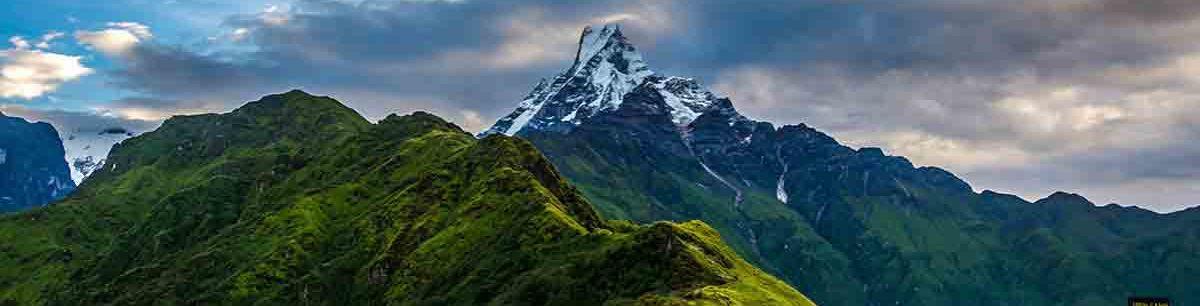
Love in the Himalayas: Best Romantic Places in Nepal for Valentine’s Week

Valentine’s Week is one of the most romantic periods of the year — and what better place to celebrate love than in the breathtaking landscapes of Nepal? From snow-topped Himalayan peaks to serene lakes and lush valleys, Nepal offers countless enchanting settings perfect for couples seeking a memorable Valentine’s Week escape.

In this guide, we’ll explore the best romantic places in Nepal — each ideal for different couple travel styles, whether you prefer adventure, serenity, luxury, or cultural immersion. Plus, we’ll share tips on when to go, how to plan your itinerary, and what makes each destination especially romantic.


Why Nepal is a Perfect Valentine’s Week Destination

Nepal is synonymous with natural beauty — and when it comes to romance, the country stands out for several reasons:

  • Stunning Mountain Views: The dramatic Himalayas create a legendary backdrop for couple photos, sunrise experiences, and quiet reflection.
  • Intimate Natural Settings: From peaceful lakes to terraced hills and forests, Nepal has many secluded spots ideal for couples.
  • Affordable Travel Options: Nepal offers both luxury retreats and budget-friendly romantic stays.
  • Cultural Richness: Temples, traditions, festivals, and heritage sites add depth to your Valentine’s escape.
  • Outdoor Experiences: Whether trekking, boating, hot springs, or scenic drives, adventure adds excitement to your shared journey.

Best Romantic Places to Visit in Nepal for Valentine’s Week

Here are the top destinations — organized by experience type — to help you plan the perfect romantic itinerary.


Pokhara — Lakeside Romance and Himalayan Views

Why It’s Romantic:
Pokhara is often considered Nepal’s most romantic city. The combination of calm lake waters, panoramic mountain vistas, and relaxed café culture makes it ideal for couples.

What to Do Together:

  • Sunrise at Sarangkot: Wake up early and watch the first light touch Annapurna and Machapuchare — a magical, shared experience.
  • Boating on Phewa Lake: Rent a rowboat or canoe and enjoy reflections of the mountains as you drift across the water.
  • Lakeside Cafés and Dining: Spend lazy afternoons at cafés with views of the lake and sunset dinners with candlelight ambiance.
  • World Peace Pagoda: A gentle hike to this stupa rewards you with sweeping views over the lake and valley below.

Extra Romantic Touch: Book a lakeside cottage or luxury resort room with a balcony overlooking the Annapurna range.


Nagarkot — Himalayan Sunsets and Quiet Moments

Why It’s Romantic:
Nagarkot is famous for its mesmerizing views of the Himalayan ranges and some of the most beautiful sunrises and sunsets in Nepal.

What to Do Together:

  • Sunrise Watching: Warm beverages, cozy blankets, and a shared sunrise over Everest and Langtang peaks make unforgettable memories.
  • Hiking Trails: Light hiking around Nagarkot’s ridge paths offers peaceful nature time together.
  • Stargazing: With minimal light pollution, this is an ideal spot to watch the night sky hand-in-hand.

Best For: Couples looking for calm, mountain views, and cozy evenings.


Dhulikhel — Cultural Heritage with Scenic Views

Why It’s Romantic:
Dhulikhel combines cultural richness with Himalayan panoramas, making it ideal for couples who want both nature and tradition.

What to Do Together:

  • Heritage Walks: Stroll through old town streets filled with traditional Newari architecture and temples.
  • Sunrise Terrace Views: Choose a rooftop café facing the mountains for sunrise breakfast together.
  • Local Cuisine: Try authentic Nepali meals in cozy local eateries.

Romantic Tip: Stay at a boutique heritage hotel with private balconies and local charm.


Bandipur — Hilltop Village Charm and Quiet Evenings

Why It’s Romantic:
Bandipur is a preserved hilltop town halfway between Kathmandu and Pokhara. It’s quieter and less crowded, perfect for couples seeking intimate time away.

What to Do Together:

  • Walk Through Town Squares: Charming stone pathways and traditional houses create a peaceful stroll.
  • Sunset Views at Tundikhel: Bring tea or snacks and watch the mountains blush as the sun sets.
  • Local Bakeries and Cafés: Taste freshly baked goods and local delicacies while enjoying panoramic views.

Stay Tip: Heritage lodges in Bandipur often have rooms with mountain views — ideal for early morning moments together.


Gosaikunda & Langtang Region — For Adventurous Couples

Why It’s Romantic:
If you and your partner love trekking and adventure, the Langtang region and Gosaikunda Lakes offer breathtaking natural beauty and shared challenge.

What to Do Together:

  • Trekking to Gosaikunda: Sacred alpine lakes at altitude create serene natural spaces perfect for reflection together.
  • Scenic Glacial Views: Snowy peaks, rhododendron forests, and mountain streams provide an immersive nature experience.
  • Camp Evenings: Share stories around campfires, sleep under the stars, and explore high-altitude landscapes together.

Best For: Couples who enjoy active travel, hiking, and wilderness exploration.


Lumbini — Spiritual Journey for Two

Why It’s Romantic:
Lumbini is the birthplace of Lord Buddha and a UNESCO World Heritage Site. Its tranquil gardens and monasteries create a peaceful, reflective atmosphere for couples.

What to Do Together:

  • Explore Monastic Zones: Walk tranquil paths through international monasteries with symbolic architecture.
  • Maya Devi Temple: Visit this sacred site together and enjoy meditation or quiet reflection.
  • Peaceful Gardens: Spend relaxed moments among flowering gardens and calm water features.

Romantic Tip: Stay in a boutique eco-resort for quiet evenings and thoughtful conversation.


Rara Lake — Remote Romance in Natural Isolation

Why It’s Romantic:
For those who want true solitude and dramatic landscapes, Rara Lake (Nepal’s largest lake) offers unmatched peace and natural beauty.

What to Do Together:

  • Lakeside Picnics: Pack a picnic and enjoy the silence beside the turquoise waters.
  • Sunrise and Sunset Over Water: The reflections here are particularly stunning, perfect for couple photos.
  • Nature Walks: Explore nearby trails through forests and meadows.

Best For: Couples seeking off-the-beaten-path romance away from crowds.


Romantic Activities in Nepal During Valentine’s Week

Whether you choose one destination or combine a few, here are romantic activities to include in your itinerary:

Sunrise & Sunset Moments

Witnessing mountain silhouettes change color at sunrise or sunset is one of Nepal’s most romantic experiences. Pack warm clothes, a thermos of tea, and a camera!

Couples’ Lake Outings

Phewa Lake (Pokhara) and Begnas Lake are ideal for boating together — peaceful, private, and scenic.

Romantic Dining

From rooftop dinners in Kathmandu to candlelight lakeside meals in Pokhara, Nepal’s food scene offers intimate dining experiences with local flavors.

Spa & Wellness Retreats

Many resorts offer couple spa packages with traditional therapies — perfect for relaxation after a day of exploring.

Photography Walks

Capture your journey with scenic photos — Nepal’s landscapes are naturally photogenic, making it easy to create lasting memories.


Practical Tips for Valentine’s Week Travel in Nepal

To make your romantic getaway smooth and enjoyable, keep these tips in mind:

🔹 Book Early

Valentine’s Week is a popular travel time. Accommodations, especially those with special packages for couples, can fill up quickly.

🔹 Choose the Right Season

Late winter (February) brings cooler weather, crisp mountain views, and clear skies — ideal for sunrise/sunset experiences.

🔹 Pack Accordingly

Mountain regions can be cold at night. Bring warm layers, sturdy shoes, hats, and gloves for outdoor activities.

🔹 Respect Local Culture

Nepal is steeped in tradition and spirituality. Dress modestly in heritage sites and be mindful of local customs.

🔹 Safety First

Altitude can affect some travelers. If you plan high-altitude trekking, acclimatize properly and consult with guides.


Example 7-Day Valentine’s Week Romantic Itinerary in Nepal

Here’s a sample itinerary combining culture, nature, and romance:

Day 1 — Kathmandu Arrival
Explore Thamel’s cafés, enjoy local cuisine, and relax.

Days 2 — Drive to Nagarkot
Sunrise view next morning; sunset together.

Day 3 — Head to Dhulikhel
Heritage walk and rooftop mountain sunrise breakfast.

Days 4 — Travel to Pokhara
Evening lakeside dinner.

Day 5 — Pokhara Exploration
Phewa Lake boating + Sarangkot sunrise.

Day 6 — Optional Adventure
Paragliding (for adventurous couples) or spa day.

Days 7 — Return to Kathmandu / Departure


Conclusion

Nepal is more than a destination — it’s a backdrop for unforgettable romance. Whether you’re watching the first light of day touch the Himalayas, paddling across a peaceful lake, strolling through heritage towns, or trekking alpine trails together, Valentine’s Week in Nepal offers experiences that deepen connections and create lifelong memories.Plan your escape. Celebrate love. And make Valentine’s Week in Nepal a journey you’ll both cherish forever.

What to Do on an Acclimatization Day During The Himalayan Trek

Acclimatization days are one of the most misunderstood yet most critical components of a successful Himalayan trek. Many trekkers assume a rest day means doing nothing, while others are tempted to skip acclimatization altogether to save time. Both approaches can lead to fatigue, altitude sickness, or even serious medical emergencies.

Whether you’re trekking to Everest Base Camp, Annapurna Base Camp, Manaslu Circuit, Langtang Valley, or any high-altitude Himalayan route, knowing what to do on an acclimatization day can make the difference between a rewarding experience and an aborted trek.

This guide explains why acclimatization days matter, how to use them correctly, and what practical activities you should (and shouldn’t) do to help your body adapt safely to altitude.


Understanding Acclimatization in the Himalayas

Acclimatization is the natural process by which your body adapts to lower oxygen levels at high altitude. As you gain elevation, the air becomes thinner, meaning each breath delivers less oxygen to your bloodstream. Your body compensates by:

  • Increasing breathing rate
  • Producing more red blood cells
  • Improving oxygen utilization efficiency

However, this adaptation takes time. Moving too high too fast prevents proper adjustment and increases the risk of Acute Mountain Sickness (AMS), High Altitude Pulmonary Edema (HAPE), or High Altitude Cerebral Edema (HACE).

That’s where acclimatization days come in.


What Is an Acclimatization Day?

An acclimatization day is a planned pause in ascent—usually every 800–1,000 meters of elevation gain—where trekkers stay at the same sleeping altitude for an extra night. Contrary to popular belief, it is not a complete rest day.

The golden rule followed in Himalayan trekking is:

“Climb high, sleep low.”

On an acclimatization day, you hike to a higher elevation during the day and return to sleep at your original altitude. This stimulates adaptation while minimizing risk.


Why Acclimatization Days Are Non-Negotiable

Skipping acclimatization days is one of the most common causes of trek failure in the Himalayas. Even extremely fit trekkers are vulnerable because altitude affects everyone differently, regardless of age or physical conditioning.

Key benefits of proper acclimatization include:

  • Reduced risk of altitude sickness
  • Better sleep quality at altitude
  • Improved energy and stamina
  • Increased chances of summit or destination success
  • Safer descent and recovery

In short, acclimatization days increase both safety and enjoyment.


What to Do on an Acclimatization Day During a Himalayan Trek

Go for an Acclimatization Hike (Mandatory)

The most important activity on acclimatization day is a short hike to a higher elevation—usually 300 to 500 meters above your current sleeping altitude.

Examples include:

  • Everest Base Camp trek: Hike from Namche Bazaar to Everest View Hotel
  • Annapurna Circuit: Hike above Manang toward Gangapurna Lake
  • Langtang Valley: Hike above Kyanjin Gompa

These hikes:

  • Stimulate red blood cell production
  • Help your body adjust faster
  • Reduce symptoms of AMS

The hike should be slow and steady, lasting 2–4 hours round trip.


Walk Slowly and Practice Controlled Breathing

Speed is your enemy at altitude. Use acclimatization day to refine your trekking pace and breathing technique.

Best practices include:

  • Taking short, deliberate steps
  • Using the “rest step” technique on climbs
  • Breathing deeply through the nose and exhaling fully

Controlled breathing improves oxygen absorption and reduces fatigue.


Drink Plenty of Fluids (3–4 Liters Daily)

Dehydration significantly worsens altitude sickness symptoms. At altitude, you lose more fluids through breathing and urination.

On acclimatization days:

  • Drink warm water frequently
  • Include soups, ginger tea, and herbal drinks
  • Avoid alcohol and excessive caffeine

Clear or light-yellow urine is a good hydration indicator.


Eat Well Even If Appetite Is Low

Loss of appetite is common at altitude, but skipping meals is dangerous. Your body needs calories to adapt.

Focus on:

  • Carbohydrate-rich meals (rice, pasta, potatoes)
  • Light but frequent meals
  • Warm foods that are easy to digest

Carbs require less oxygen to metabolize, making them ideal at altitude.


Monitor Your Body for Altitude Symptoms

Acclimatization day is also a self-assessment checkpoint. Pay attention to how your body feels.

Common mild AMS symptoms:

  • Headache
  • Nausea
  • Dizziness
  • Fatigue
  • Difficulty sleeping

If symptoms worsen instead of improving:

  • Do not ascend further
  • Inform your guide immediately
  • Consider an additional acclimatization day

Ignoring symptoms is one of the most dangerous mistakes trekkers make.


Rest Strategically—Not Completely

While movement is essential, excessive exertion is counterproductive.

Good balance includes:

  • Short naps (not long daytime sleeping)
  • Light stretching
  • Relaxing between hikes

Avoid:

  • Long strenuous hikes
  • Heavy backpack carrying
  • Running or intense workouts

Acclimatization is about gentle stimulation, not exhaustion.


Keep Yourself Warm and Dry

Cold stress increases oxygen demand. Staying warm conserves energy and supports adaptation.

On acclimatization day:

  • Layer properly
  • Change out of sweaty clothes immediately
  • Protect hands, feet, and head

Even mild hypothermia can worsen altitude symptoms.


Educate Yourself About the Route Ahead

Use acclimatization days to mentally prepare for upcoming sections of the trek.

This includes:

  • Learning about high passes
  • Understanding weather conditions
  • Asking guides about trail difficulty

Mental readiness reduces anxiety, conserves energy, and improves decision-making at altitude.


Maintain Good Sleep Hygiene

Sleep disturbances are common during acclimatization days due to periodic breathing.

Improve sleep by:

  • Avoiding alcohol and sleeping pills
  • Staying warm at night
  • Drinking fluids earlier in the evening

Light insomnia is normal, but severe sleep issues paired with other symptoms should be reported.


Avoid These Common Acclimatization Day Mistakes

Many trekkers unintentionally sabotage acclimatization. Avoid the following:

  • Skipping acclimatization hikes
  • Drinking alcohol “to relax”
  • Overexerting to prove fitness
  • Ascending despite worsening symptoms
  • Underestimating altitude effects

Respecting acclimatization days is a sign of experience, not weakness.


Role of Guides During Acclimatization Days

Experienced Himalayan guides play a vital role by:

  • Setting appropriate hiking pace
  • Monitoring oxygen saturation (if available)
  • Adjusting itinerary when needed
  • Making descent decisions if required

Always follow your guide’s recommendations—they are trained to recognize early danger signs.


Acclimatization Days on Popular Himalayan Treks

Everest Base Camp Trek

  • Namche Bazaar (3,440m)
  • Dingboche (4,410m)

Annapurna Circuit

  • Manang (3,540m)

Manaslu Circuit

  • Samagaon (3,530m)

Langtang Valley

  • Kyanjin Gompa (3,870m)

Each acclimatization point is strategically placed to ensure safe progression.


Final Thoughts: Acclimatization Is the Key to Trekking Success

An acclimatization day is not a delay—it’s an investment in your safety, strength, and success. Trekkers who respect acclimatization consistently report:

  • Better physical performance
  • Fewer health issues
  • Higher completion rates
  • More enjoyable trekking experiences

The Himalayas reward patience and preparation. By using acclimatization days wisely—hiking smart, eating well, hydrating properly, and listening to your body—you significantly improve your chances of a safe and unforgettable trek.

Monastery Stay vs Hotel Stay in Nepal: Cost, Comfort, and Cultural Experience Compared

Nepal, a land of towering peaks, ancient temples, and diverse cultures, attracts millions of travelers every year. A key decision for visitors is choosing where to stay. Traditional hotels and guesthouses are common, but increasingly travelers are opting for monastery stays—immersive experiences that promise peace, culture, and spiritual insight.

This article offers an in-depth comparison of monastery stays vs hotel stays in Nepal, focusing on cost, comfort, cultural experience, pros and cons, and who each option is best suited for. Whether you are a budget backpacker, cultural explorer, or wellness seeker, this guide will help you choose the best accommodation for your Nepal itinerary.


Overview: Monastery Stays and Hotel Stays in Nepal

Nepal’s accommodation options reflect the country’s cultural richness and tourism diversity:

  • Monastery Stay: Lodging offered within Buddhist monasteries or retreat centers, often with opportunities for meditation and interaction with monks.
  • Hotel Stay: Standard tourist accommodation ranging from budget guesthouses to luxury hotels in cities, towns, and trekking hubs.

While both provide shelter and basic needs, they differ substantially in purpose, experience, cost structure, and lifestyle.


Cost Comparison

Monastery Stay: Budget-Friendly and Purposeful

Monastery stays are often among the most affordable lodging options in Nepal. In many monasteries:

  • Accommodation is offered on a donation basis or at minimal fixed rates.
  • Meals (usually vegetarian) may be included.
  • Retreat packages may cover meditation sessions and teachings.

Typical cost range:

  • Donation or fixed rate: USD $5–$20 per night
  • Retreat programs (multi-day): USD $50–$200+ per program depending on length and inclusions

Why monastery stays are cost-effective:

  • Run by religious organizations or local communities
  • Focus is spiritual practice rather than profit
  • Meals often prepared communally at low cost

Hotel Stay: Wide Price Range, Predictable Costs

Hotels in Nepal range from basic guesthouses to upscale lodges:

  • Budget guesthouses: USD $10–$30 per night
  • Mid-range hotels: USD $30–$80 per night
  • Luxury hotels/resorts: USD $100–$300+ per night

Additional costs to factor in:

  • Meals (breakfast often included, lunch/dinner extra)
  • Taxes and service charges in urban hotels
  • Seasonal surcharges in tourist peak months

Cost Summary

Accommodation TypePrice per NightMeals IncludedOther Costs
Monastery Stay$5–$20Often includedMinimal
Budget Hotel$10–$30Usually notMeals extra
Mid-range Hotel$30–$80SometimesTaxes
Luxury Hotel$100+Often includedPremium services

🧭 Key insight: Monastery stays generally cost less than hotels, especially when meals and basic necessities are bundled.


Comfort & Amenities

Monastery Stay Comfort

Monastery accommodations prioritize simplicity and mindfulness over luxury:

Typical features:

  • Shared or basic private rooms
  • Simple bedding and minimal furniture
  • Communal bathrooms (varies by monastery)
  • Limited electricity / Wi-Fi access in remote retreats

Comfort level:
☑ Basic
☑ Clean
☒ Luxury amenities (rare)

What monastery stays lack in luxury, they make up for in peace, intentional simplicity, and spiritual ambiance.

Hotel Stay Comfort

Hotels cater to varying preferences and comfort levels:

Budget hotels:

  • Private rooms with fan or AC
  • Clean bedding, sometimes private bath
  • Limited services

Mid-range hotels:

  • Better furnishings
  • Room service, Wi-Fi, TVs
  • Hot water and private bathrooms

Luxury hotels:

  • Premium beds, spacious rooms
  • On-site restaurants, gyms, spas
  • Concierge services and organized tours

Comfort level:
☑ Comfortable to luxurious
☑ Predictable amenities
☑ Adjustable to traveler expectations

Comfort Summary

FeatureMonastery StayBudget HotelMid-range HotelLuxury Hotel
Private RoomPossibleYesYesYes
Private BathroomRareSometimesUsuallyAlways
Hot WaterVariableUsuallyYesYes
Wi-FiLimited/NoneYesYesYes
Room ServiceNoNoYesYes

🧭 Key insight: Hotels offer superior comfort and predictable amenities; monastery stays appeal to those seeking minimalism and spiritual focus.


Cultural Experience & Meaning

This is where differences between monastery and hotel stays are most profound.

Monastery Stay: Deep Cultural Immersion

Monastery stays place you in the heart of Buddhist practice, often in mountain or spiritual centers like Lumbini, Kathmandu Valley, or remote Himalayan regions.

Cultural advantages:

  • Live alongside monks and practitioners
  • Participate in meditation, chanting, rituals
  • Experience daily monastic life rhythms
  • Learn Buddhist philosophy and Nepali culture up close

Typical activities:

  • Morning prayers and meditation
  • Mindfulness sessions
  • Teachings from resident monks
  • Ritual observances

This kind of stay is transformative, slow-paced, and introspective.

Hotel Stay: Comfortable Base with Cultural Access

Hotels primarily serve as bases for exploration of Nepal’s culture rather than immersive cultural experiences.

Cultural access via hotels:

  • Proximity to heritage sites, temples, markets
  • Tours and cultural guides arranged by hotel
  • Interaction with local staff

However:

  • Interaction with local spiritual life is usually limited
  • Experience is more touristic than immersive

Cultural Summary

Experience AspectMonastery StayHotel Stay
Cultural ImmersionDeepModerate
Spiritual ParticipationHighLow
Learning Local TraditionsHighModerate
Daily Interaction With LocalsHighModerate

🧭 Key insight: Monastery stays offer unparalleled cultural depth; hotels provide cultural access primarily through location and organized activities.


Location and Accessibility

Monastery Locations

Monasteries are found throughout Nepal, but many are in quieter, remote areas:

  • Hilltop or valley settings (e.g., around Kathmandu Valley, Pokhara, Lumbini)
  • Trekking regions (Annapurna, Langtang) with remote dharma centers
  • Some urban monasteries in major cities

Accessibility:

  • Often reachable by local transport or hiking
  • Some require longer travel from transit hubs

Hotel Locations

Hotels are widespread:

  • Major cities (Kathmandu, Pokhara, Bhaktapur)
  • Trekking gateways (Besisahar, Jomsom, Namche Bazaar)
  • Near airports and tourist hubs

Accessibility:

  • Easy access to road networks
  • Close to restaurants, shops, services

🧭 Key insight: Hotels are more accessible; monastery stays may require travel and planning.


Who Should Choose What?

Traveler TypeBest Fit
Budget backpackersMonastery or budget hotel
Spiritual seekersMonastery stay
Comfort-oriented touristsHotel stay
Cultural immersion seekersMonastery stay
First-time visitors to NepalHotel stay with optional monastery visit
Digital nomadsHotel stay (due to Wi-Fi and work amenities)

Monastery Stay Is Best For

  • Travelers who want peace, spirituality, and mindfulness
  • Those comfortable with minimal amenities
  • Anyone looking to understand Buddhism and Nepali culture deeply
  • Retreat participants

Hotel Stay Is Best For

  • Comfortable lodging with predictable facilities
  • Travelers with tight itineraries
  • People who rely on Wi-Fi, private bathrooms, and service
  • Families and older travelers

Pros & Cons: Side-by-Side

Monastery Stay

Pros

  • Low cost and meal inclusions
  • Deep cultural/spiritual experience
  • Mindfulness and meditation opportunities
  • Quiet, peaceful environment

Cons

  • Basic living conditions
  • Limited modern amenities
  • Accessibility challenges
  • Structured daily schedules

Hotel Stay

Pros

  • Comfort and privacy
  • Predictable services (Wi-Fi, hot water)
  • Easy access to transport, food, amenities
  • Flexible schedule

Cons

  • Higher cost
  • Limited cultural immersion
  • Often tourist-centric experience

Tips for Booking & Planning

Monastery Stay

  • Contact ahead – Many monastic accommodations require advance reservation or confirmation due to limited space.
  • Prepare for simplicity – Bring essentials like toiletries, appropriate clothing for meditation and modest dress.
  • Respect customs – Research Buddhist etiquette (e.g., silence norms, prayer schedule).
  • Ask about meals – Understand meal times and dietary options.

Hotel Stay

  • Book early in peak seasons (Oct–Dec and Feb–Apr).
  • Check amenities – Confirm Wi-Fi, hot water, laundry, and breakfast.
  • Use reputable platforms – Read recent reviews on travel sites for reliability.

Conclusion: Which Is Better?

There is no one “best” choice—only the right choice for your travel priorities:

✅ Choose monastery stay if you seek low cost, deep cultural immersion, and spiritual engagement.
✅ Choose hotel stay if you want comfort, convenience, and predictable amenities.

Some travelers choose a blend: start with a hotel for arrival and exploration, and then spend a few days in a monastery for reflection and cultural depth.

Whichever you choose, Nepal offers transformative experiences—be it through sunrise over the Himalayas, temple bells in ancient squares, or morning chants echoing in monastic halls.