Conquer the Peaks: Why Post-Monsoon is the Best Time for Climbing Expeditions

Mountaineering is more than a sport—it is a calculated confrontation between human resilience and nature’s unforgiving heights. Among the many variables that determine the success and safety of a climbing expedition, timing remains paramount. For many experienced climbers and mountaineering guides, the post-monsoon season—roughly from late September to early November—is considered the optimal window for expeditions, especially in the Himalayas and other Asian mountain ranges. But why does this period garner such high regard?

This article explores the meteorological, environmental, logistical, and physiological advantages that make the post-monsoon season the best time for climbing expeditions.


Understanding the Post-Monsoon Season

In much of South and Central Asia, the monsoon season typically spans from June to early September, bringing heavy rainfall and volatile weather patterns. As the season winds down, a window of relative climatic stability emerges—this is the post-monsoon period.

The post-monsoon season, also known as the autumn climbing season, generally runs from late September through November, with some regional variations. During this time, the skies tend to clear, precipitation reduces significantly, and temperatures stabilize. It marks a seasonal shift, offering unique opportunities for mountaineers that are otherwise difficult to secure during other parts of the year.


Favorable Weather Conditions

One of the foremost reasons post-monsoon is ideal for climbing is predictable and stable weather. After months of chaotic monsoon weather, the atmosphere tends to settle:

  • Clear Skies: The constant cloud cover and rain that plague the monsoon season begin to dissipate, giving way to bright, clear days. This is crucial for navigation, photography, and morale.
  • Reduced Precipitation: Rainfall and snow are considerably lower than in the preceding months. Reduced moisture means fewer chances of flash floods, avalanches, or landslides.
  • Better Visibility: Post-monsoon skies offer high visibility—important for both visual route planning and for monitoring environmental hazards.

Meteorological studies have shown that the jet stream—high-altitude winds that influence mountain weather—tends to shift away from key Himalayan regions during the fall, further stabilizing conditions.


Improved Trail and Climbing Conditions

Heavy monsoon rains often lead to dangerous and deteriorated trail conditions. Once the rains subside:

  • Solidified Terrain: Trails, especially in the lower elevations, begin to dry up. Muddy, slippery routes firm up, making ascents and descents safer.
  • Reduced Risk of Avalanches: During the monsoon, freshly fallen snow accumulates dangerously on higher slopes, increasing avalanche risk. Post-monsoon, as the snow consolidates and stabilizes, this risk diminishes.
  • Receding Glacial Melt: Monsoon runoff can cause glaciers to become unstable. By autumn, the glacial conditions are more predictable and manageable.

Cleaner Air and Breathtaking Scenery

An underappreciated but highly impactful benefit of the post-monsoon season is the pristine air quality and striking visual clarity.

  • Dust and Pollutants Washed Away: The monsoon rains act as a natural cleanser, washing away airborne dust and pollution. This makes for crystal-clear vistas—a reward in itself for any climber.
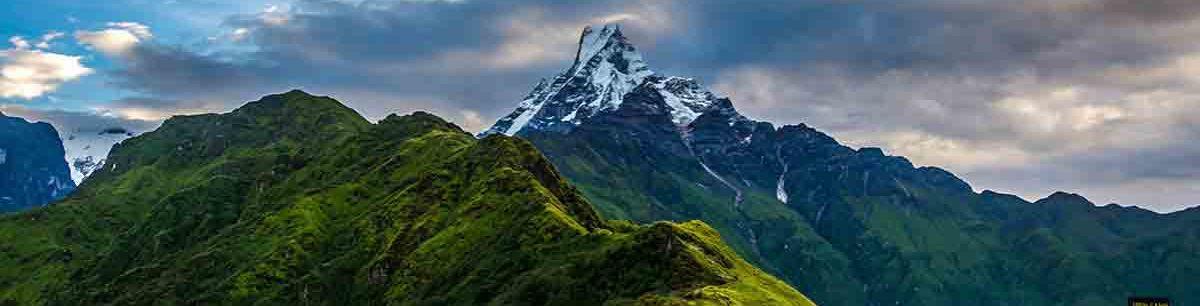
  • Vivid Landscapes: Lush green foothills, snow-capped peaks, and blooming alpine flora create a picture-perfect landscape. Photographers and nature enthusiasts often find post-monsoon views unparalleled in beauty.

In Nepal, for example, views of iconic peaks like Ama Dablam, Everest, and Annapurna during October are considered among the most photogenic in the world.


Ideal Timeframe for High-Altitude Objectives

When climbing 6,000 to 8,000-meter peaks, weather windows are everything. Most summit pushes require a stable stretch of 3–5 days. The post-monsoon season provides this with higher frequency:

  • Successful Summit Attempts: Historical summit data from mountains like Everest, Manaslu, and Cho Oyu indicate more successful ascents in October than any other month outside the pre-monsoon season.
  • Manageable Cold: While it gets cold at altitude, the extreme winter cold hasn’t yet set in. This balance is critical for climber safety and performance.
  • Less Wind: High-altitude winds can be lethal. The lower wind speeds post-monsoon allow for safer and more comfortable summit attempts.

Fewer Hazards from Crevasses and Icefalls

In the pre-monsoon (spring), ice and snow are still melting from the winter. This causes shifts in icefalls and increases crevasse danger. In contrast:

  • Post-Monsoon Ice is More Stable: Snow has had time to settle and re-freeze after the monsoon, making icefall regions like the Khumbu Icefall (Everest) relatively safer.
  • Marked Routes: On popular peaks, early fall climbers help establish and mark routes, making later ascents easier and safer.

Peak Operational Efficiency and Support Services

Logistics play a crucial role in expedition success. The autumn season is not only ideal for natural conditions but also for human infrastructure:

  • Experienced Guides and Porters Available: This is one of the peak business seasons for local expedition companies, ensuring availability of top-tier staff.
  • Operational Airfields and Helicopters: Flights into remote base camps (e.g., Lukla, Jomsom) are more reliable in clear weather, reducing delays.
  • Well-Stocked Teahouses and Lodges: For trekkers en route to base camps, accommodations are open, stocked, and functioning at full capacity.

Stronger Physical and Mental Readiness

Climbers often train months in advance. Having post-monsoon as a goal allows for:

  • Summer Training: Many mountaineers spend summer preparing in ranges like the Alps or Rockies. An autumn expedition gives ample time for physical conditioning.
  • Psychological Readiness: The break after the monsoon offers a mental reset. The rejuvenated environment is both calming and invigorating.

Post-Monsoon Expeditions Offer Less Crowd Stress than Spring

Spring (pre-monsoon) is another popular season, but it comes with its own set of challenges:

  • Crowded Routes: Everest and other famous peaks can see bottlenecks, which increase summit-time exposure and risk.
  • Overused Infrastructure: Shelters and fixed ropes may be overused by the time late spring climbers arrive.

In contrast, post-monsoon climbs—though increasingly popular—still offer more solitude, faster ascent opportunities, and often more personalized support.


Popular Peaks for Post-Monsoon Expeditions

Some of the top climbing destinations for post-monsoon include:

  • Manaslu (8,163m): September and October are peak months for this Nepalese giant.
  • Ama Dablam (6,812m): Known for technical climbing and incredible views, autumn is the best time.
  • Island Peak (6,189m) and Mera Peak (6,476m): Ideal for beginner-to-intermediate climbers, post-monsoon ensures accessibility and safety.
  • Lobuche East (6,119m): Another popular trekking peak with excellent fall conditions.

Environmental Considerations

The post-monsoon season also aligns better with responsible tourism practices:

  • Reduced Soil Erosion: Compared to climbing during the wet monsoon or harsh winter, autumn ascents leave less impact on the fragile high-altitude environment.
  • Local Economic Boost: Autumn is a peak season for employment in Himalayan regions. Choosing this window supports local economies dependent on tourism and expedition services.

Conclusion

The post-monsoon season offers a convergence of ideal weather, stable terrain, operational support, and unmatched scenery—making it the prime window for safe, successful, and fulfilling climbing expeditions. Whether you’re an elite alpinist aiming for an 8,000-meter summit or a novice tackling your first trekking peak, this season presents the best balance between challenge and safety.

In a realm where precision and timing can mean the difference between success and catastrophe, post-monsoon is not just a season—it is a climber’s best strategic ally.

Why Autumn Is the Best Time to Visit Nepal: Weather, Festivals & Adventures

Nestled at the crossroads of the Himalayas and the Indian plains, Nepal is a land of staggering natural beauty and vibrant cultural traditions. While the country attracts travelers year-round, autumn—spanning mid-September through November—stands out as the prime season to visit. Drawing trekkers, cultural enthusiasts, and adventurers alike, autumn in Nepal promises an unparalleled experience thanks to its ideal weather, captivating festivals, and an array of thrilling outdoor activities.

Autumn in Nepal: An Overview

Nepal experiences five distinct seasons: spring, summer, monsoon, autumn, and winter. Among these, autumn provides the most pleasant conditions for travel, exploration, and immersion in local culture. During this period, the monsoon rains have subsided, skies clear to a deep azure, temperatures become comfortably moderate, and the country bursts into life with some of its grandest festivals and adventure opportunities.

The Weather Advantage: Clear Skies and Comfortable Temperatures

Post-Monsoon Clarity

Autumn begins as the monsoon season exits, washing away dust and haze from the air. This results in weeks of crystal-clear skies, vivid mountain vistas, and excellent visibility for both short excursions and high-altitude treks. The air is fresh and the landscapes are lush, freshly scrubbed by the rains.

  • Average Temperatures
    • In key destinations such as Kathmandu, daytime temperatures generally range from 20°C to 25°C, dropping to 10°C to 13°C at night. In valleys and hill regions, the weather is warm and pleasant, never too hot or cold for day excursions or city walks.
    • Mountain regions can dip to freezing points at night and early morning, but days are generally sunny and inviting—perfect for trekking.
LocationDay Temp (°C)Night Temp (°C)Notes
Kathmandu Valley20-2510-13Temperate, ideal for travel
Pokhara20-2510-15Lake views, clear skies
Everest Region5-15-3 to 5Chilly at high altitudes

Stable Weather for Outdoor Activities

Unlike spring and summer, when occasional rain or clouds can obscure vistas, autumn weather is consistently dry and predictable. Adventurers planning long treks or multi-day tours benefit from this reliability—a critical factor when exploring remote or high-altitude regions. Trails remain dry and accessible, and even Nepal’s notoriously rugged dirt roads are at their best after the monsoon’s end.

A Season of Festivity: Nepal’s Vibrant Autumn Festivals

Autumn is synonymous with celebration in Nepal. The country commemorates several of its most important cultural and religious festivals during this period. For travelers, these offer unique opportunities to witness and participate in living traditions.

Dashain: The Grandest Festival

  • Timing: Late September to early October
  • Significance: Dashain is Nepal’s longest and most cherished festival, spanning fifteen days. It celebrates the triumph of goddess Durga over evil.
  • Traditions:
    • Families unite, elders bless younger generations with “tika” and jamara (sacred grass).
    • Homes are cleaned and decorated, and elaborate rituals are performed. The entire nation gears down for communal feasts, animal sacrifices, and public gatherings.
    • Kite flying, fairs, and floral displays energize the streets.
  • Traveler’s Experience: Visitors are often welcomed into local homes, invited to observe or join the festivities, and can witness grand temple processions and masked dances.

Tihar: The Festival of Lights

  • Timing: October or November, about a fortnight after Dashain
  • Significance: Known as Deepawali in India, Tihar is a five-day celebration honoring different animals (crows, dogs, cows), the goddess of wealth (Laxmi), and the bond between brothers and sisters through “Bhai Tika”.
  • Traditions:
    • Homes and public spaces twinkle with candles, oil lamps, and colorful “rangoli” designs.
    • Unique animal worship rituals are performed, and families gather for music, sweets, and blessings.
  • Traveler’s Experience: Cultural events, musical performances, and illuminated sights abound. Foreigners can engage in community celebrations and enjoy the magical nighttime atmosphere.

Indra Jatra and Chhath

  • Indra Jatra: Celebrated in Kathmandu with masked dances, chariot processions, and public display of the living goddess Kumari.
  • Chhath: Especially in the Terai region, this festival honors the Sun God with riverside rituals, prayer, and offerings.

Why Autumn Festivals Enhance Travel

  • Cultural Immersion: Festivals offer a window into Nepal’s deeply spiritual and communal way of life. Travelers can actively participate rather than just observe.
  • Photography & Memories: Streets and temples are adorned with lights, flowers, and color, providing a vibrant backdrop for unforgettable photos and cultural insight.
  • Culinary Delights: Festival periods bring a wealth of traditional foods, sweets, and beverages—many unique to the celebration.

Adventures Abound: Trekking and Outdoor Sports

Autumn is undoubtedly the peak season for adventure tourism in Nepal. The stable weather, clear skies, and breathtaking landscapes attract thrill-seekers and nature lovers from around the world.

World-Famous Treks

Everest Base Camp Trek

  • Highlights:
    • Panoramic views of Everest, Lhotse, Ama Dablam, and neighboring giants.
    • Autumn offers crisp visibility, vibrant mountain foliage, and the energy of many fellow trekkers.

Annapurna Circuit & Base Camp Trek

  • Highlights:
    • Traverse from subtropical forests to alpine meadows, through remote villages and high-altitude passes.
    • Clear skies reveal Annapurna, Dhaulagiri, Manaslu, and Machapuchare peaks in their full splendor.

Manaslu, Langtang, and Upper Mustang

  • Why Visit in Autumn:
    • Improved trail conditions, open tea houses, and a lively atmosphere in villages along these routes.
    • The dry climate reduces the risk of landslides and makes river crossings safer.

Wildlife Safaris

  • Chitwan and Bardia National Parks
    • Autumn is the best period for wildlife viewing, with rivers running clear and grasslands open after the monsoon’s growth spurt.
    • Visitors might spot rhinos, elephants, crocodiles, Bengal tigers, and an array of birdlife on jeep safaris, canoe rides, or guided walks.

Adventure Sports

  • Paragliding: Pokhara, with its gentle thermals and clear skies, is ranked as one of the world’s top spots for tandem paragliding.
  • White-water Rafting: Rivers like the Trishuli, Seti, and Bhote Koshi run at exhilarating—but safer—levels in autumn. Rafting journeys offer both adrenaline and scenic beauty.
  • Bungee Jumping/Rock Climbing: Dry trails and warm days make for ideal conditions near the Bhote Koshi gorge and other adventure hotspots.

Stunning Scenery, Lively Cities, and Accessible Travel

Picture-Perfect Landscapes

With post-monsoon clarity, the autumn landscape of Nepal is at its most photogenic. Fields in the Terai and mid-hills glow with ripening crops, forests display diverse autumn colors, and the mountains stand starkly against bright blue skies. Sunrise and sunset views over the Himalayas from iconic vantage points like Nagarkot and Sarangkot are especially breathtaking.

Visitor-Friendly Infrastructure

  • Open Trails and Teahouses: Most trekking routes, especially in the Annapurna and Everest regions, are fully open with teahouses in operation and local guides at hand.
  • Festive Atmosphere in Cities: Kathmandu, Bhaktapur, and Pokhara buzz with market fairs, cultural events, and street performances linked to the season’s festivals.
  • Comfortable Urban Exploration: The cool but not chilly climate is ideal for tourists exploring UNESCO sites, museums, and ancient alleyways.

Practical Considerations

When Exactly to Visit

  • Mid-September to Late November: This window maximizes your chances for perfect trekking weather, clear mountain vistas, and participation in key festivals.

Preparation Tips

  • Book in Advance: This is peak tourism season; reserve accommodation and trekking packages early.
  • Pack for Varied Conditions: Bring layers, sun protection, and sturdy trekking boots. Evenings can be cold, especially in the mountains.
  • Respect Local Customs: Take the opportunity to learn about Nepalese culture and etiquette, especially if invited to festival activities or home visits.

Conclusion

Autumn in Nepal is much more than a simple tourist season; it’s a spectacular convergence of perfect weather, living traditions, and world-class adventure. The sky clears to reveal the world’s highest peaks, the spirit of celebration infuses daily life, and every step—whether on a mountain trail or down a city alley—reveals a new facet of this extraordinary country. Whether your interests lie in trekking, festival-hopping, wildlife-spotting, or simply soaking in the serene beauty, no other season matches the vibrancy and vibrance of autumn in Nepal.